News
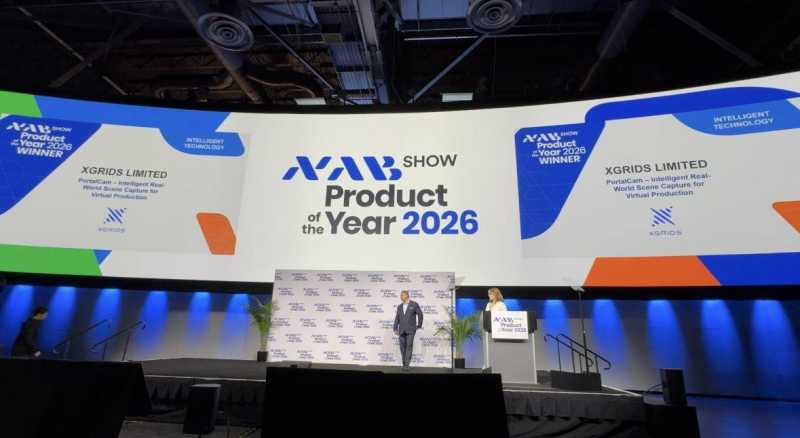
XGRIDS PortalCam Becomes Only Product to Win Four Categories at 2026 NAB Show Product of the Year Awards
XGRIDS PortalCam Becomes Only Product to Win Four Categories at 2026 NAB Show Product of the Year Awards
The world’s first editor built for world models — making digital worlds truly usable.
For the past few years, the work around world models has centered on reconstruction. Photos become models, video becomes space, and high-fidelity 3D capture is now within reach of almost anyone. But a finished reconstruction is raw material, not a usable asset. There is stray geometry to clear, separate captures to merge, scenes to reorganize, assets to maintain and reuse.
Reconstruction is where a world model begins, not where it ends. It becomes useful only once it can be edited, refined, and put to work, until it earns its place in production as a digital asset.
That is why we are releasing LCC 2.0, with the first editor built for world models that carry collision, geometry, and depth. It gives world models a complete path from production, to editing, to application, and sets up LCC2 as the infrastructure between the physical world and spatial intelligence.
Photoshop turned the photograph from a record into something you could work on. LCC 2.0 does the same for captured 3D. The editor has two parts: LCC Model Editor for the model itself, and LCC Scene Editor for the experience around it.
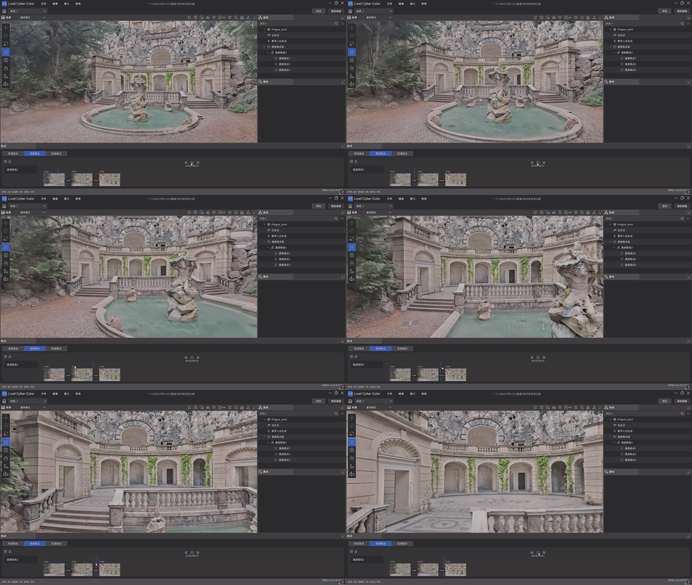
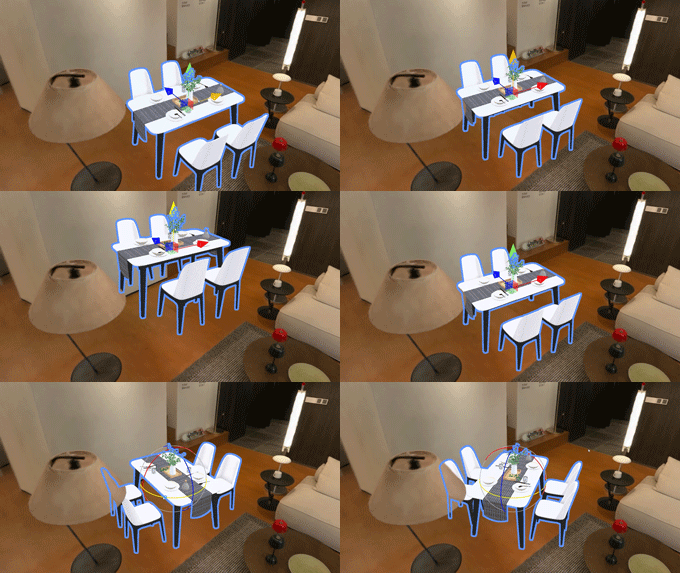
LCC Model Editor works directly on Gaussian data. Merge multiple captures into one, duplicate content, crop and clean away clutter, color grade entire scenes, or separate individual objects.

The newly upgraded Crop tool delivers more precise spatial trimming, producing cleaner cuts and sharper boundaries while minimizing residual artifacts, creating a stronger foundation for model stitching and downstream editing workflows.
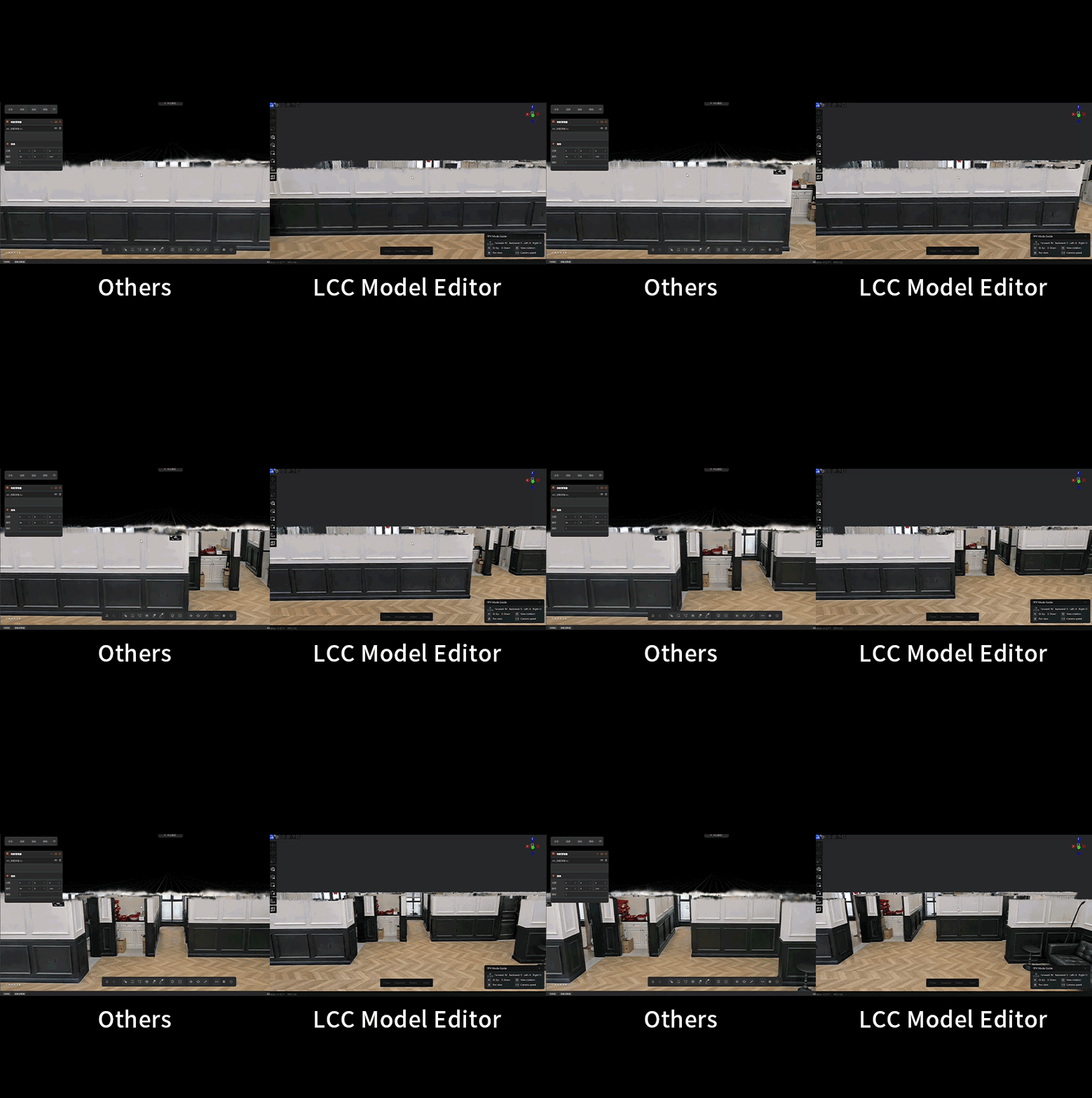
Repairing scan artifacts, removing unwanted content, or recombining captured spaces into something entirely new now happens in one place, on the Gaussian layer, without round-tripping between tools.
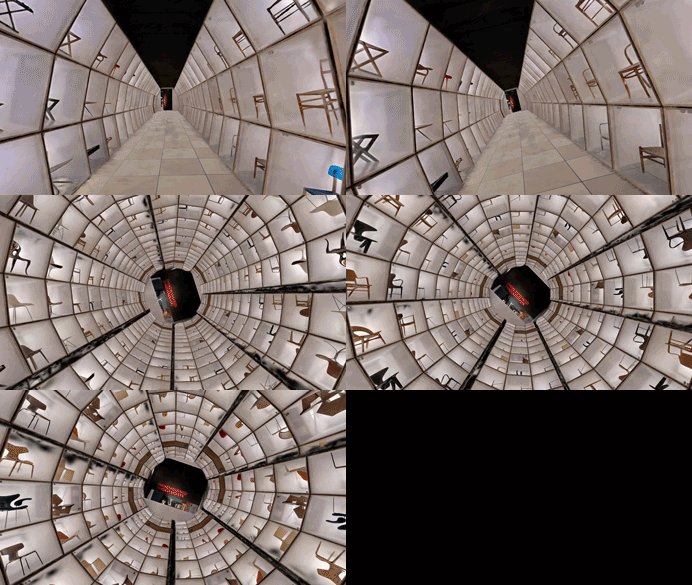
For the first time, a world model gains a true post-production workflow: editing 3D space becomes as direct as editing an image.
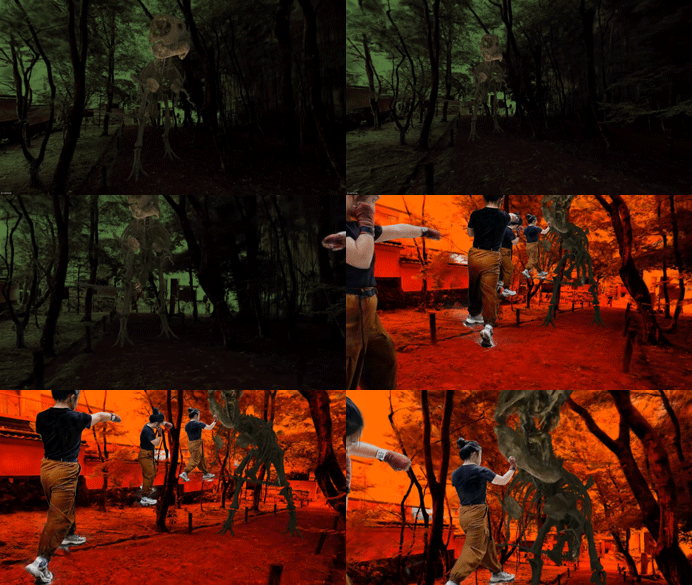
Where the Model Editor edits the model, the Scene Editor edits the scene.
Add annotations, group and manage assets, configure interaction logic, and set flythrough routes.
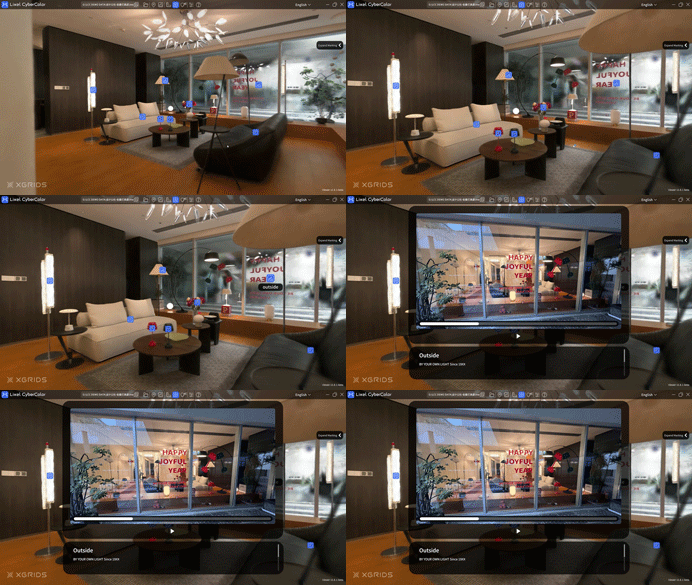
In a digital showroom, a cultural exhibition, a training program, or an industrial simulation, you are designing a space people can walk into, explore, and act on.
As world models grow, how their data is organized decides what is possible. A single campus, city block, or working factory can hold tens of millions, even hundreds of millions, of Gaussian points. LCC2, the new format underneath LCC 2.0, is built for that.
LCC2 rebuilds the data structure and compression stack from the ground up, preserving fine detail while dramatically reducing storage and transmission costs. It breaks large-scale world models into schedulable units and streams them based on viewpoint and distance: distant regions retain structure and silhouette, while nearby regions progressively reveal detail. With its dual-track LOD architecture, model scale is no longer a constraint—from localized spaces to world-scale environments, everything can be loaded, managed, and rendered within a single system, enabling smooth real-time performance at virtually any scale.

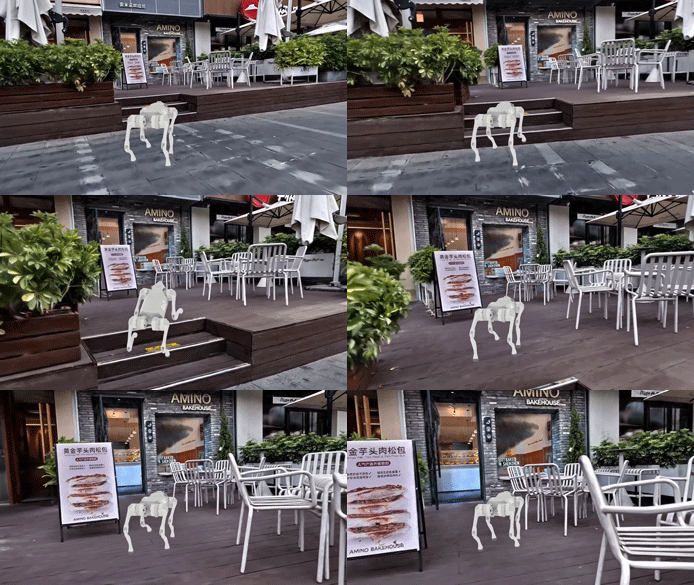
LCC2 stores more than the Gaussians. It holds colliders, geometry, and depth in the same place, so a scene can be analyzed by software, read by AI, and sensed by a robot, not only rendered. That is what takes a captured space from something you look at to something a machine can reason about.
LCC2 imports PLY, SPZ, and SOG and converts cleanly to and from them, so existing assets join the workflow without re-capture.
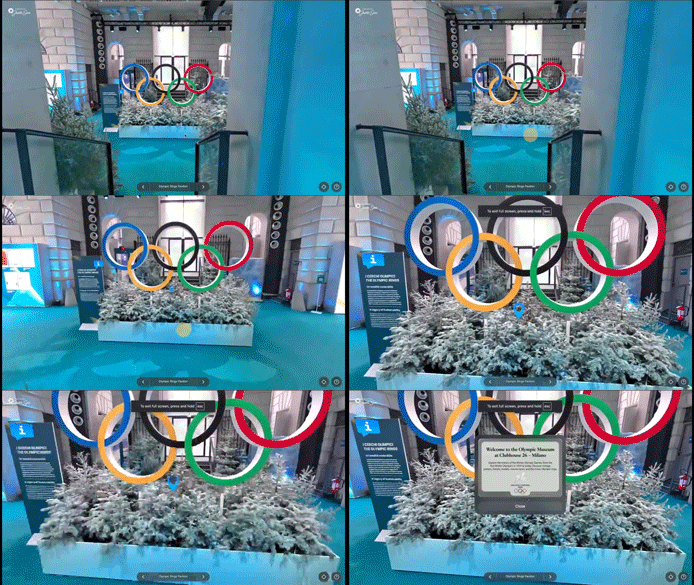
It is open source, with a public spec and developer docs.
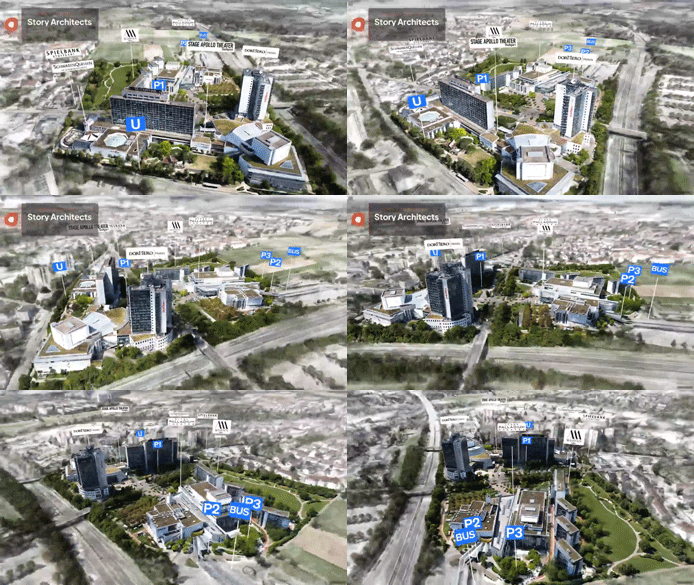
A world model proves its worth by circulating: the same asset opening in different software and running on different platforms, across digital twins, film, XR, robotics, and AI.
LCC 2.0 moves world models past the demo stage: scenes you can edit like an image, manage like a database, and move between systems like content on the web. That is the shape we think content infrastructure for spatial intelligence should take.
XGRIDS PortalCam Becomes Only Product to Win Four Categories at 2026 NAB Show Product of the Year Awards

An open format that more tools, more industries, and more developers can build on.
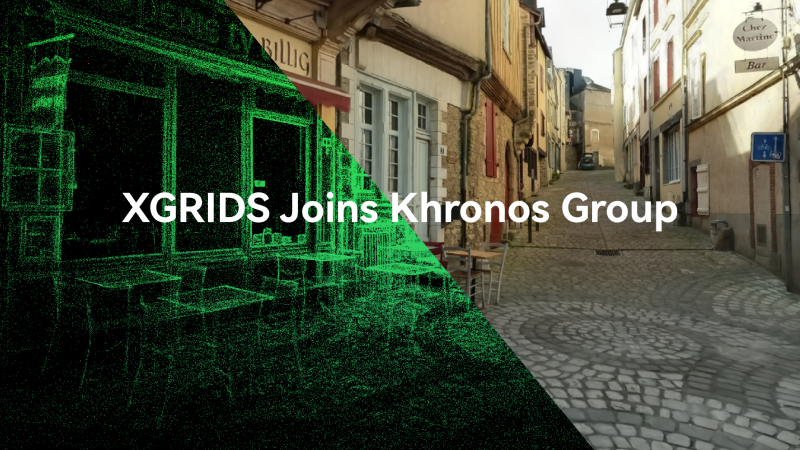
XGRIDS, a spatial intelligence company and one of the first companies to deploy 3D Gaussian Splatting at production scale across multiple industries, today announced its membership in the Khronos® Group.

XGRIDS wins the IFA 2026 Netzwelt Innovation Award with PortalCam & LCC Scan, turning physical spaces into production-ready digital twins in real time.