Case Studies
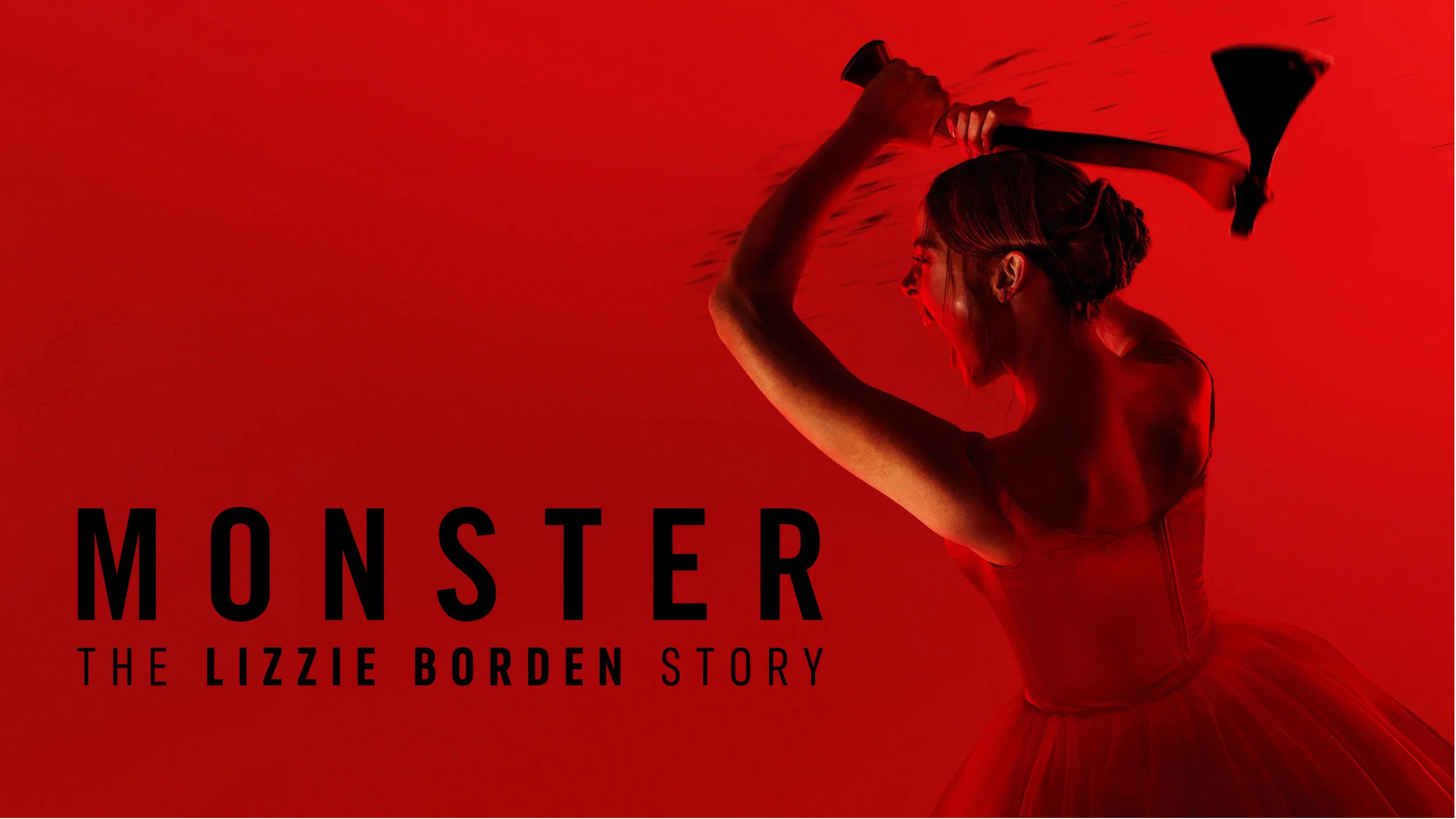
Virtual Pre-Production for Netflix's Monster: The Lizzie Borden Story.
Reality capture let Netflix's Monster scout 35 Italian locations in four days with PortalCam, then plan shots remotely through virtual scouting of 3DGS scans.
Creative applications of 3D tech: Creating a digital copy of Gray's beaked whales with XGRIDS Lixel K1 and LCC
For centuries, marine mammals have occupied a sacred place in human consciousness—from the ancient Māori legends of whale riders to global maritime tales of these magnificent creatures guiding lost sailors home. In New Zealand, this connection runs especially deep, where coastal communities have long maintained a spiritual kinship with the cetaceans that grace their shores. When strandings occur, they become profound moments where scientific necessity meets cultural reverence.
Professor Karen Stockin's research illuminates how these events involve much more than biological facts. They encapsulate human emotions, cultural values, and ethical considerations that shape our response. Modern technology now allows us to document these events with unprecedented detail, creating faithful digital records that help researchers understand not just the biological realities, but also how our human interventions affect outcomes. In preserving these moments digitally, we honor both the creatures themselves and our ongoing responsibility to protect the marine environment that sustains us all.
The coastal waters of New Zealand have long been home to diverse marine life, with over half the world's whale and dolphin species found in these waters at various times. For the Māori, whales hold particular significance as kaitiaki (guardians) and ancestral guides. This cultural connection transforms each stranding from a mere biological event into a moment of profound significance that requires respectful handling with consideration for both scientific needs and cultural protocols.
When Gray's beaked whales stranded at Spencer Park Christchurch in early 2025, the response embodied this blend of scientific inquiry and cultural respect. Professor Karen Stockin of Massey University, a leading researcher in marine biology and a Rutherford Discovery Fellow with the Royal Society Te Apārangi, saw an opportunity to advance our understanding of these rarely-seen creatures while honoring their significance.
Studying whale strandings presents unique challenges. These events are unpredictable, often occurring in remote locations, and time-sensitive both for potential rescue efforts and for gathering scientific data to understand the causes, study whale biology and health, monitor populations, and inform conservation efforts.
Traditional documentation methods have significant limitations: photographs capture only two-dimensional perspectives, measurements can be imprecise when taken quickly in the field, and the scale and positioning of these magnificent creatures make comprehensive documentation difficult.
Beyond the technical challenges, a concerted effort between many stakeholders is often required to gain situational awareness, capture critical data, act on informed decisions, and empower research.
"Dealing with whale strandings involves the human dynamic," notes Professor Stockin, highlighting how the human approach to these events influences both the rescue response and the scientific outcomes. Her team's social science research around human intervention efforts have proven "integral to understanding both animal welfare, natural science, and veterinary science insights to such events."
Thorough documentation of stranding events is vital because these rare occurrences provide one of the few opportunities to gather data on species that are rarely observed in their natural deep-ocean habitats. Having an accurate, photorealistic 3D model created within minutes allows scientific researchers to cultural guardians to educational institutions, to simultaneously access and analyze the same material without requiring prolonged physical presence at the sensitive site.
The collaboration between Professor Stockin and Proform Group Ltd began serendipitously, as Daniel Manchester, Senior Project Manager and UAV Operations Manager, explains: "About a year and a half ago, a sperm whale stranded about seven kilometers down the road from where I live. Someone on the local Facebook page asked if there was a drone operator who could gather aerial imagery of the whale."
"I used photogrammetry to 3D model the sperm whale, which I don’t think had been done before in New Zealand," Manchester explains. "When they saw the model, they were blown away. Suddenly they could do desktop measurements and analysis that weren't possible before."
This initial success led to an ongoing partnership with Professor Stockin, whom Manchester describes as "the whale person in New Zealand" and a leading authority contacted during cetacean strandings.
Recreating a digital version of whale strandings did not stop at drone photogrammetry.
"As we started to truly understand [Professor Stockin's team's] needs of how to replicate what was being seen in real life onto a screen for review and research, we knew we could do more," explains Manchester.
After creating a VR experience where people get to walk around the big whale in a hall, limits to the photogrammetry model became apparent. "[The model] looked good, but it still looked a bit like a video game because of the textures." he notes. "So when we had the XGRIDS scanner with its photorealistic capabilities using 3D Gaussian Splatting, I wondered if we could use it with the whales as well."
The XGRIDS LixelKity K1 3D scanner was a helpful tool for this new purpose. "Rather than getting a drone up and trying to work with photogrammetry, I could just walk around. It took me about three minutes to capture both of those whales, and then it was processed quickly in Lixel CyberColor," Manchester says. This efficiency in capturing the scene is crucial during time-sensitive stranding events.
Manchester's vast experience working with 3D scanning helped him adapt his technique to the temperaments of the ocean, working against fading light and incoming tides. "A couple of waves came in, so I'd do the scan, then turn around, wait for the wave to come in and go back out again, and then I'd come back and continue the scan. I was trying to avoid the water disrupting the capture."
These real-world adaptations highlight the importance of extensive field testing. "It teaches me the limitations of what works and what doesn't work with the scanner," Manchester notes. "When I come to a difficult scan—low light interior or small areas, I know to try and get some lighting in there or do multiple passes in different configurations."
A transparent and open approach to providing the data from the captured stranding event was appreciated by the local Māori communities. He built trust over time by getting the data quickly and processing it into impressive 3D models. "When I showed them what I'd done, they were really excited to see what else I could do for them. Now they know me on a first-name basis."
The non-intrusive nature of the XGRIDS scanner proved particularly valuable in respecting cultural protocols. "They were concerned about having family members shown in the scanned model. With the scanner and the LCC software for automatic post-processing, people were guided to move around while the scan was completed so they'll disappear from the scan."
This experience demonstrates how thoughtfully applied technology can support rather than intrude upon cultural practices—a critical consideration in New Zealand where many iwi consider whales as taonga (treasured beings).
For educational purposes, these 3D models offer an alternative to traditional media, allowing students and researchers to explore whale anatomy and strandings in a much more immersive setting. The technology democratizes access to scientific knowledge while respecting the cultural significance of these creatures.
This application has attracted attention from organizations like Project Jonah New Zealand, which specializes in whale strandings. "They might use the models for training," Manchester says. "I'm working on a VR version for them. The fact that there's no people in the scan, and it's just the whales—that works really well for them." The clean, unobstructed view of the animals provides an ideal teaching tool.
The Department of Conservation (DOC), New Zealand's government entity responsible for wildlife welfare, has also provided positive feedback on the models' unprecedented detail and accessibility.
While the conservation applications are clear, Manchester notes that the project has had unexpected business benefits as well. Potential clients often find the whale and heritage building 3D models more engaging than traditional construction demonstrations, creating a compelling portfolio that showcases the technology's versatility.
The 3D documentation of stranded whales marks just the beginning of how this technology might transform marine conservation in New Zealand and beyond. Future applications could include comparative studies between stranding events, creation of a digital library of marine mammal specimens, and the development of training programs for first responders to strandings.
By bridging cultural reverence, scientific inquiry, and technological innovation, this work honors the deep connection between New Zealanders and the marine mammals that share their waters while advancing our understanding of these magnificent yet vulnerable creatures.
In the words of Professor Stockin, these efforts enable "a better understanding of strandings and the biology of species" through partnerships and collaborations that span cultural, academic, and technological boundaries—a fitting approach to studying creatures that have themselves crossed boundaries between human myth and scientific discovery for centuries.
Reality capture let Netflix's Monster scout 35 Italian locations in four days with PortalCam, then plan shots remotely through virtual scouting of 3DGS scans.
.png?x-oss-process=image/resize,w_800/quality,Q_50)
A one-hour Lixel K1 scan of six Culver City blocks gave a generative film pipeline the fixed geometry it needed to keep six locations consistent.
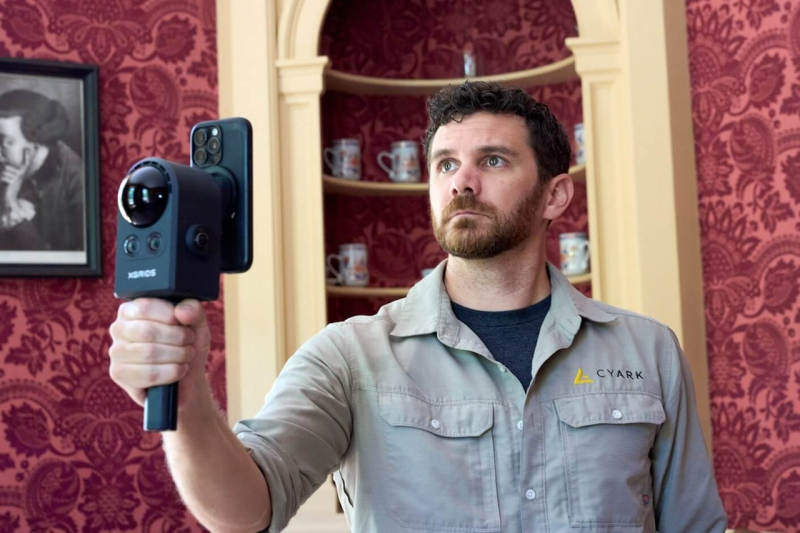
Handheld 3DGS by PortalCam helped CyArk document three landmark interiors for America 250, solving mirror reflections and low-light field challenges.
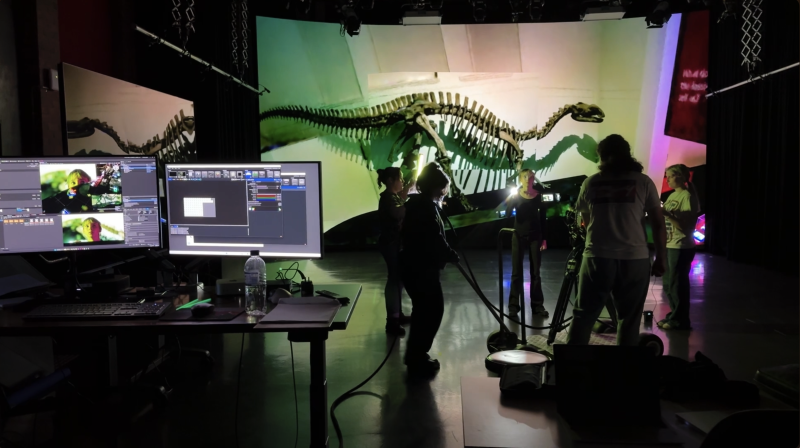
Handheld 3D capture brings real museum spaces to LED volumes, replacing green screens and photogrammetry for fast, cinematic virtual camera moves.