Case Studies
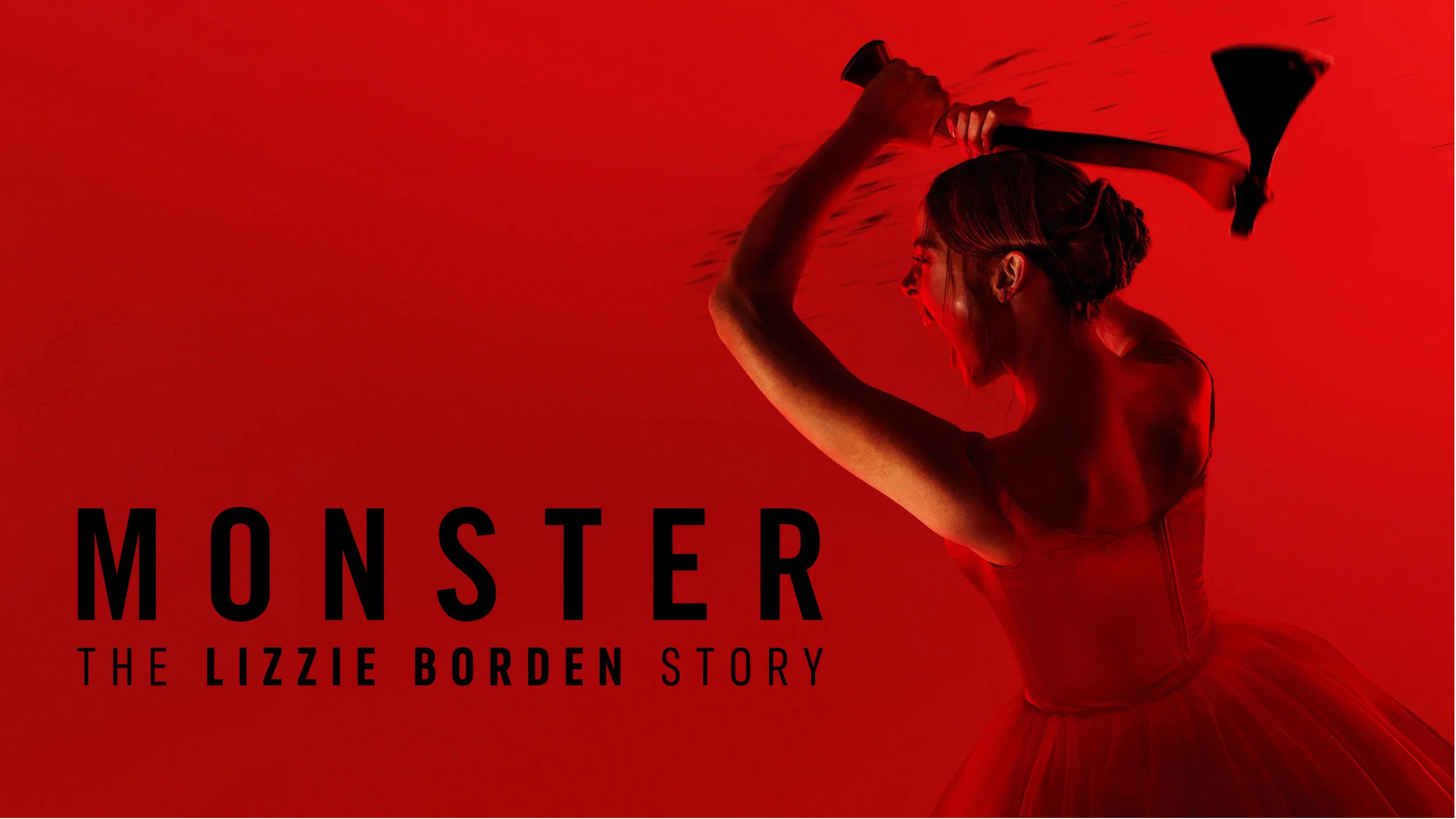
Virtual Pre-Production for Netflix's Monster: The Lizzie Borden Story.
Reality capture let Netflix's Monster scout 35 Italian locations in four days with PortalCam, then plan shots remotely through virtual scouting of 3DGS scans.
When Compositing Academy's founder Alex Henneman decided to film a CGI dragon in a remote Icelandic cave, the project required a complete rethinking of virtual production workflows. Using an iPhone, Sony FX3, and cutting-edge spatial capture technology from XGRIDS, the team achieved cinematic-quality VFX in an uncontrolled environment while facing multiple logistical challenges including conflicting film shoots and delayed schedules due to equipment failures.
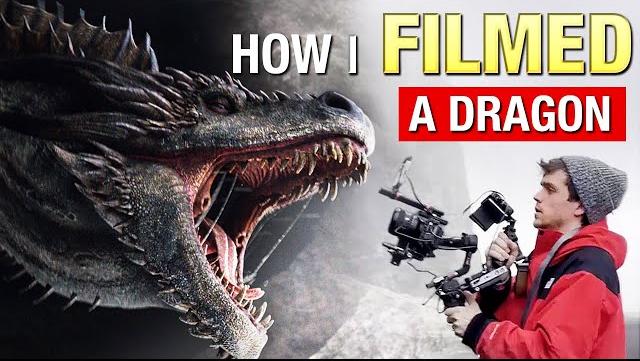
Link:https://youtu.be/3d9ycMKf65U?si=PGH1Zh2ew5inKf4e
This experiment was led by Alexander Hanneman, Senior Digital Compositor and founder of Compositing Academy, with extensive experience at Sony Pictures, Weta Digital, Industrial Light and Magic, and Framestore. His credits include Avengers: Endgame, The Mandalorian, Avatar 2, and Star Wars: The Rise of Skywalker.
When a compositor with Marvel and Disney blockbuster experience tests mobile virtual production workflows, the results carry significant weight for industry adoption.
Virtual production has grown to $3.4 billion in 2024, projected to reach $6.79-10.07 billion by 2030-2032. However, most implementations remain studio-bound with expensive LED walls. Smaller studios and independent filmmakers face equipment barriers for virtual production adoption.
This project proved Hollywood-quality VFX works with portable tools.
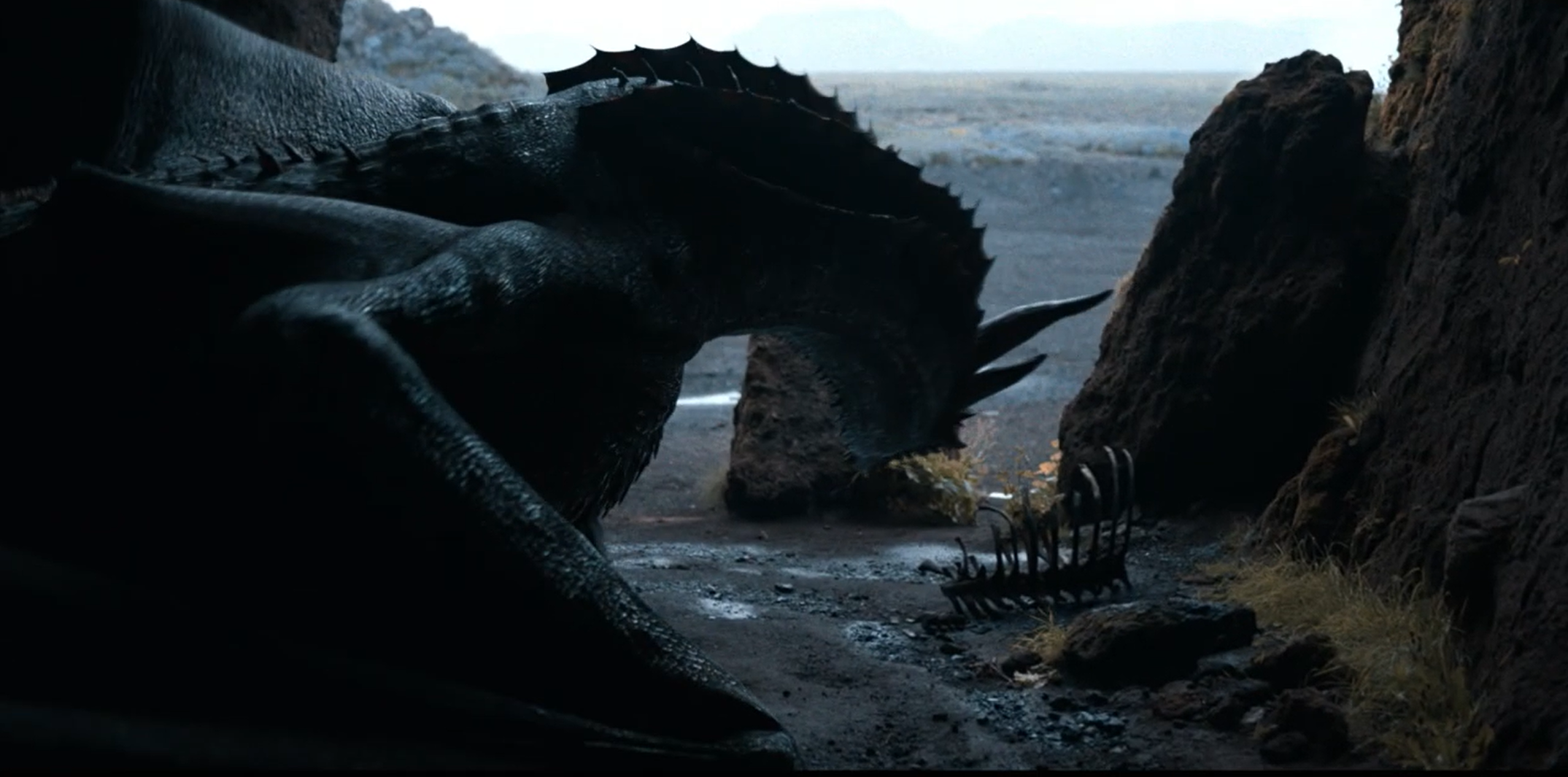
Link:https://drive.google.com/file/d/14OPbPLiz5DUfGev3_WZ5iUmP0OrlTs7B/view?usp=drive_link
The mobile app synchronized iPhone tracking with the Sony FX3, creating real-time composites that showed the dragon moving through the cave during filming.
The dragon asset came from Eye Candy XYZ, featuring hero-level quality with full rigging and animation-ready components suitable for professional productions.
Link:https://drive.google.com/file/d/10JpgjQ3q7v_9mDiaNATlbUF9i-9NFIFD/view?usp=drive_link
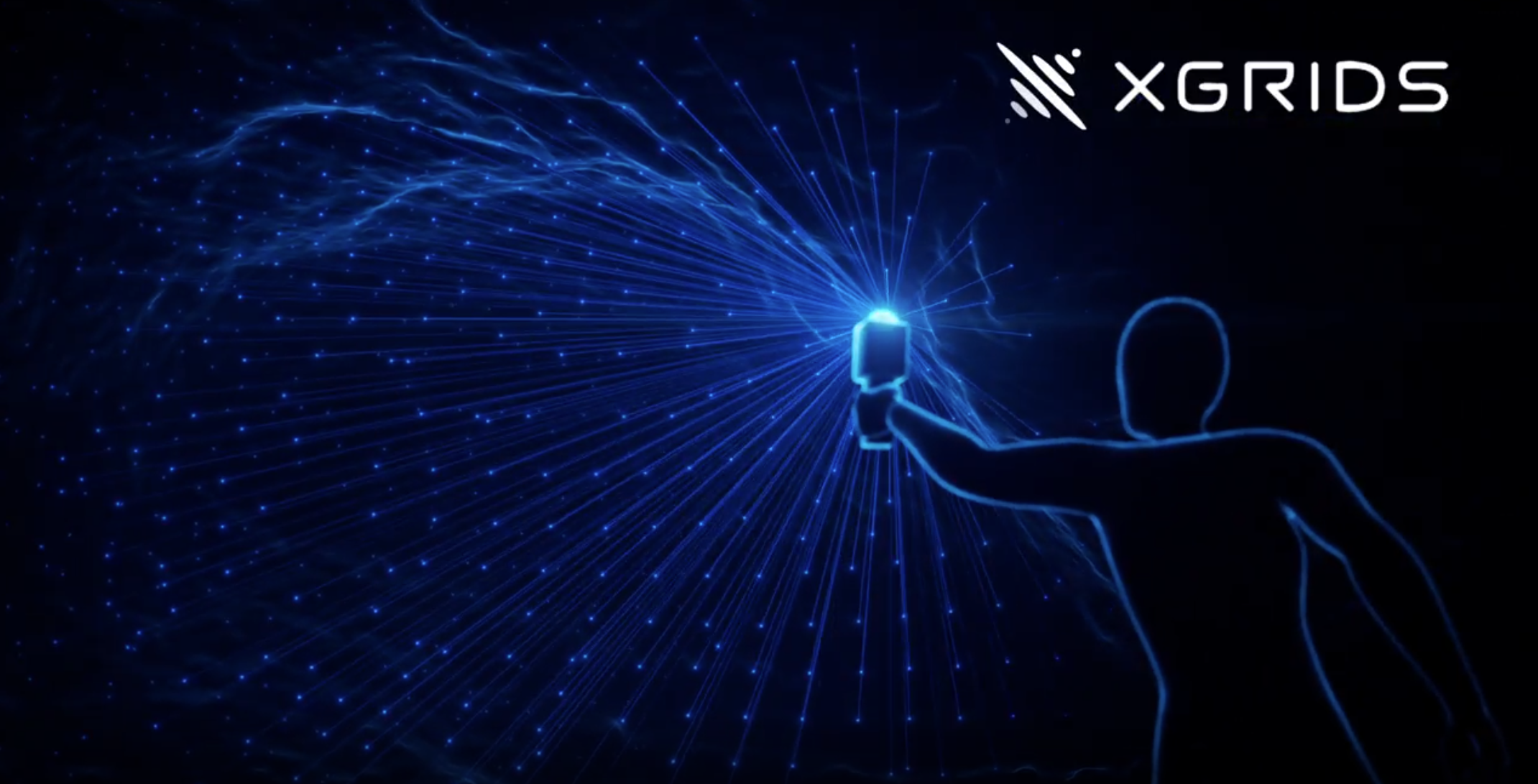
The handheld LiDAR scanner generated centimeter-accurate point clouds and measurable, photorealistic 3D Gaussian Splatts, providing the spatial data necessary for realistic CGI integration with practical environments.
The production camera captured final footage while synchronized with the iPhone's virtual camera through Jetset's tracking system.
| Aspect | Traditional VFX | Virtual Production | Project Implementation |
| Workflow Sequence | Film → Scan → Animate → Composite | Scan → Animate → Film → Minimal Post | Photogrammetry → Animation → Live Filming |
| Asset Requirements | Post-production ready models | Camera-ready virtual assets that render instantly in-camera | Real-time optimized dragon model |
| Location Dependency | Separate location/studio shoots | More front-loaded with asset creation before principal photography | Remote location with mobile setup |
| Revision Capability | Expensive post-production changes | Real-time adjustments during filming | On-location adjustments via iPhone, full 3D model of environment with XGRIDS |
Traditional VFX follows: film → scan → animate → composite.
Virtual production requires: scan → animate → film.
The team needed animation before arriving at the location.
Solution: Scraped tourist videos from social media and processed them through photogrammetry software. Photogrammetry relies on matching features across images, and the tourist footage provided sufficient spatial information for animator Martin Layes to begin character work.
Christopher Nolan's The Odyssey production had reserved the entire park. Combined with a dead car battery from equipment charging, the team faced significant scheduling constraints.
Problem:
Hero dragon asset needed real-time iPhone performance.
Solution:
Created lightweight proxy mesh maintaining visual fidelity while enabling smooth mobile playback. Smart optimization eliminated need for additional render farm infrastructure.
Problem:
Photorealistic dragon integration required precise spatial data for accurate lighting, occlusion, and surface interactions.
Link:https://drive.google.com/file/d/1GW1nR-E3_FzUGW1bLhYCZ-KPza9RWjRp/view?usp=sharing
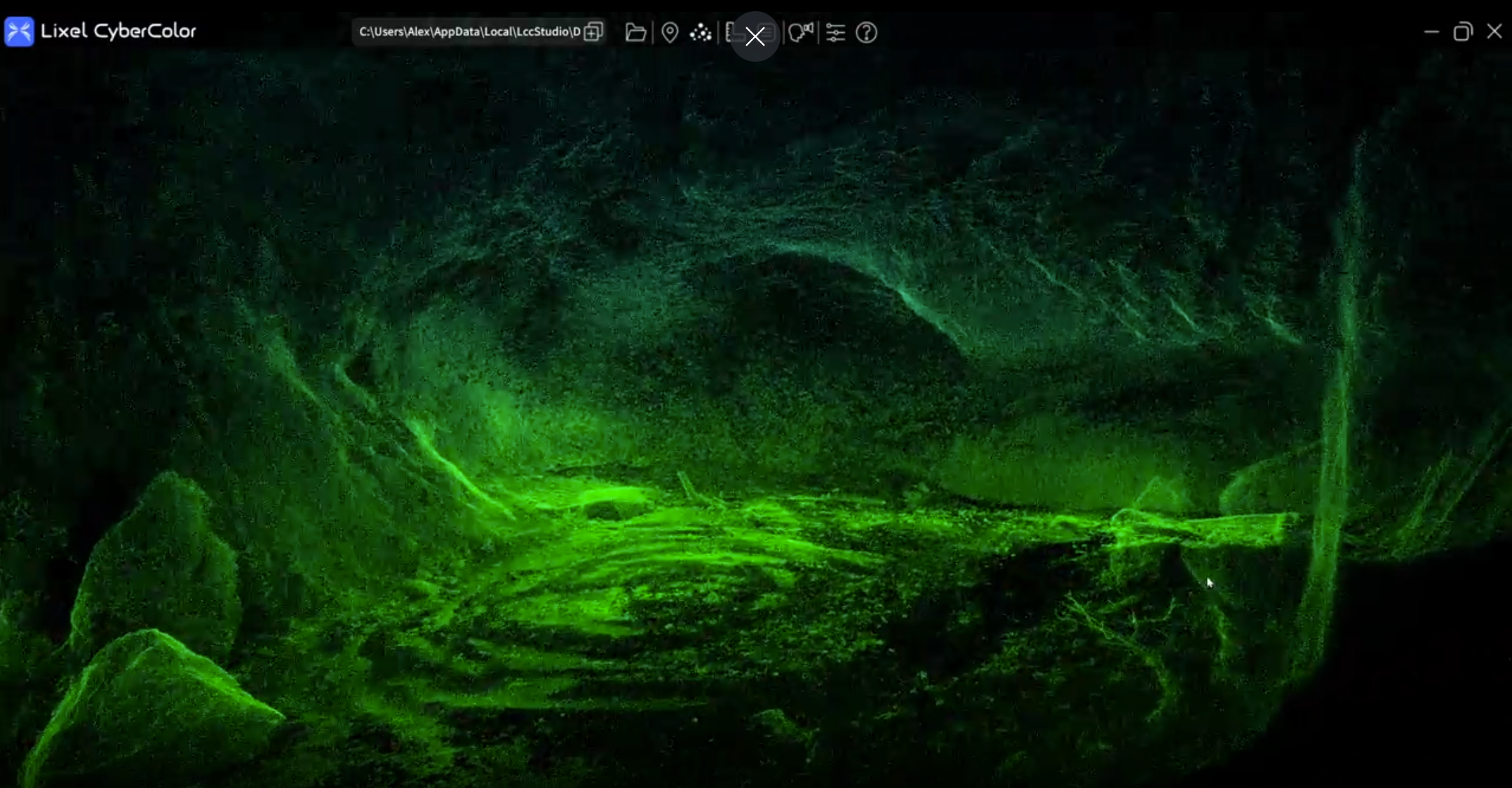
The handheld LiDAR scanner provided:
Technical Advantage: Unlike photogrammetry's cave limitations (poor lighting, repetitive textures), XGRIDS captured complete spatial data regardless of conditions, delivering production-ready models where conventional methods fail.
Iceland's midnight sun provided extended blue hour lighting when the team finally accessed the location. The XGRIDS scanner captured complete cave interior geometry with centimeter-level precision, while Jetset provided real-time dragon visualization as the Sony FX3 recorded final footage.
Each camera position was automatically preserved, ensuring perfect element alignment for post-production—a significant workflow advantage over traditional VFX approaches.
Tighter budgets impose challenges when deciding where to shoot, how to shoot and for how long on location. This project proved virtual production works beyond LED stages and specialized studios, requiring only a small crew and portable equipment.
Most VFX and color grading happen during pre-production and production phases in virtual production, dramatically reducing post-production time. The project extended this efficiency to remote location work.
Success came from unified tool integration:
The adoption of real-time technologies like Unreal Engine for virtual production applications is expected to continue into 2024. This project suggests the future involves significantly more portable workflows than currently anticipated.
Cinematic VFX production using backpack-portable tools represents a fundamental shift in content creation accessibility.
The project demonstrated XGRIDS technology enables:
The project's success under adverse conditions—equipment failures, location conflicts, and weather constraints—validated that advanced VFX production can happen anywhere with appropriate tools and workflows. The dragon was digital, but the production methodology shift is tangible and scalable.
This case study analyzes a groundbreaking virtual production workflow executed by Compositing Academy in Iceland, demonstrating how emerging technologies like Lightcraft Jetset and XGRIDS LiDAR scanning can enable high-quality VFX production in remote, uncontrolled environments. The project successfully integrated 3D Gaussian Splatting, real-time rendering, and mobile virtual production to create a cinematic dragon sequence, overcoming significant logistical and technical challenges.
Reality capture let Netflix's Monster scout 35 Italian locations in four days with PortalCam, then plan shots remotely through virtual scouting of 3DGS scans.
.png?x-oss-process=image/resize,w_800/quality,Q_50)
A one-hour Lixel K1 scan of six Culver City blocks gave a generative film pipeline the fixed geometry it needed to keep six locations consistent.
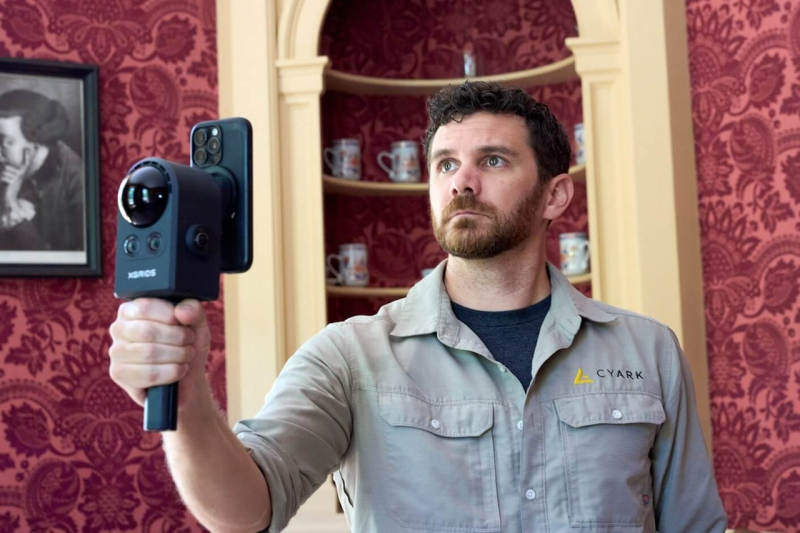
Handheld 3DGS by PortalCam helped CyArk document three landmark interiors for America 250, solving mirror reflections and low-light field challenges.
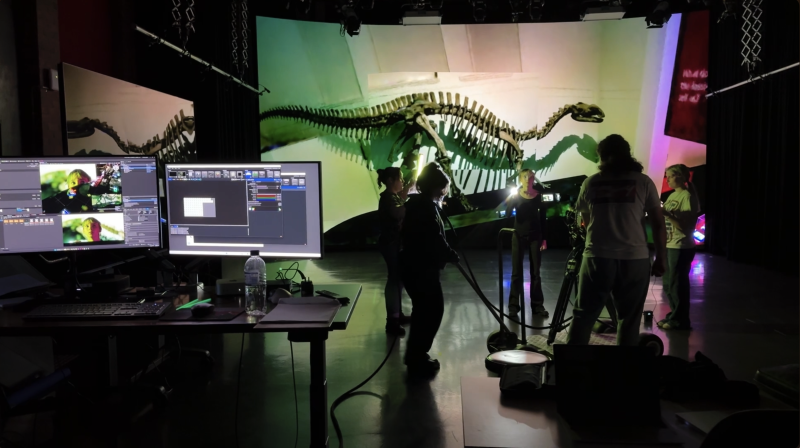
Handheld 3D capture brings real museum spaces to LED volumes, replacing green screens and photogrammetry for fast, cinematic virtual camera moves.