Case Studies
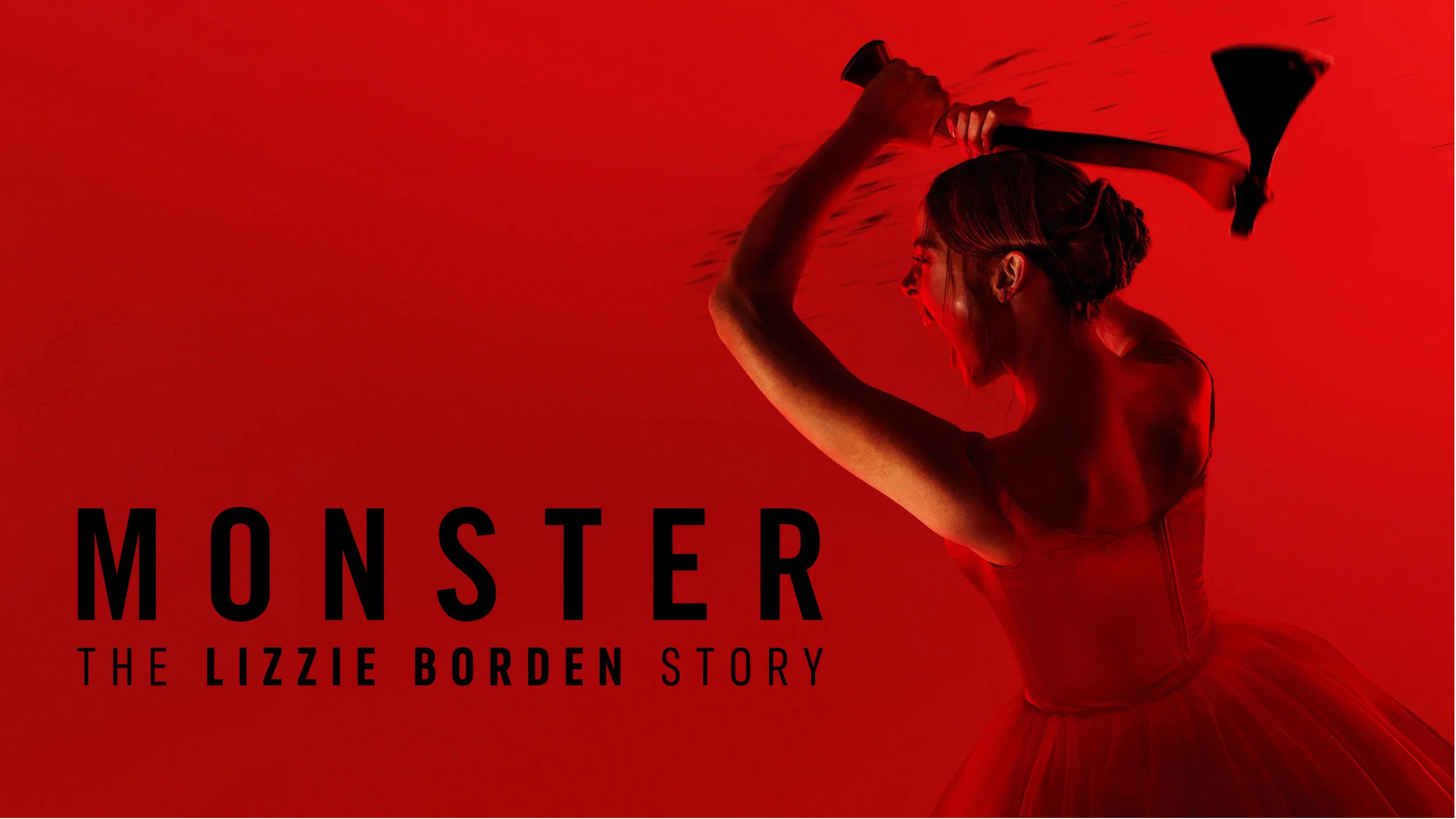
Virtual Pre-Production for Netflix's Monster: The Lizzie Borden Story.
Reality capture let Netflix's Monster scout 35 Italian locations in four days with PortalCam, then plan shots remotely through virtual scouting of 3DGS scans.
Lixel L1, with its convenient data collection, efficient processing, and accurate precision, has found extensive applications in various scenarios.
As an essential method for production plan, inventorying material stocks, and assessing agricultural yields in industries such as engineering, mining, and agriculture, stockpiles measurement plays a more and more crucial role.
Collaborating with XGRIDS'S partners, Lixel L1, with its convenient data collection, efficient processing, and accurate precision, has found extensive applications in scenarios involving stockpiles measurement across engineering, mining, and agriculture sectors.
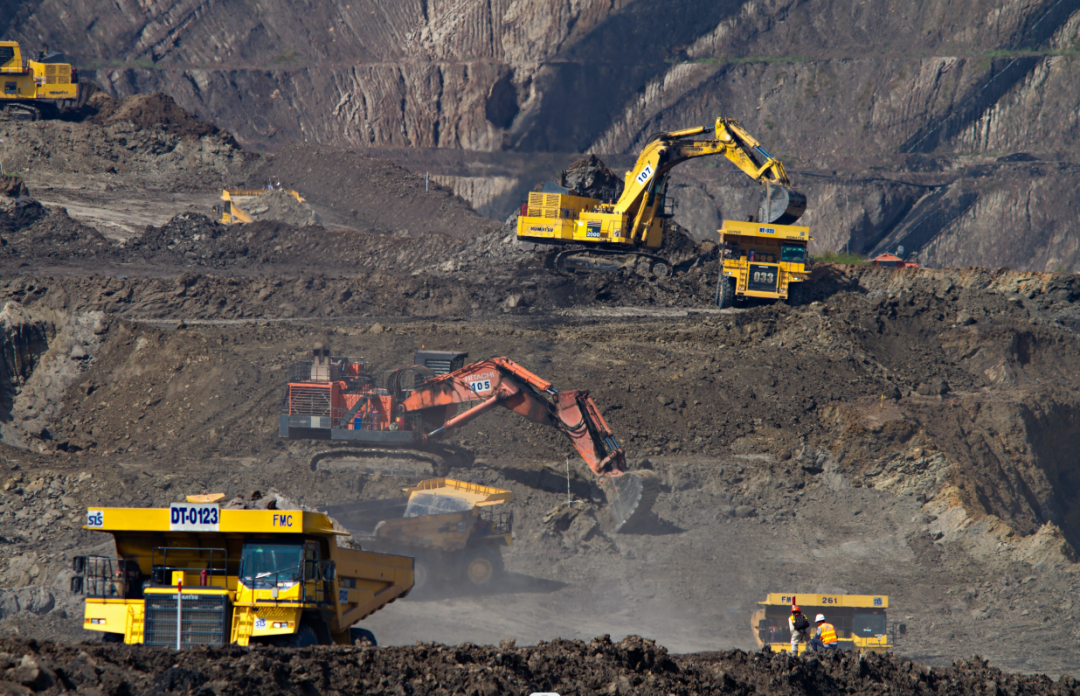
(Taking an indoor material stockpile heap as an example)
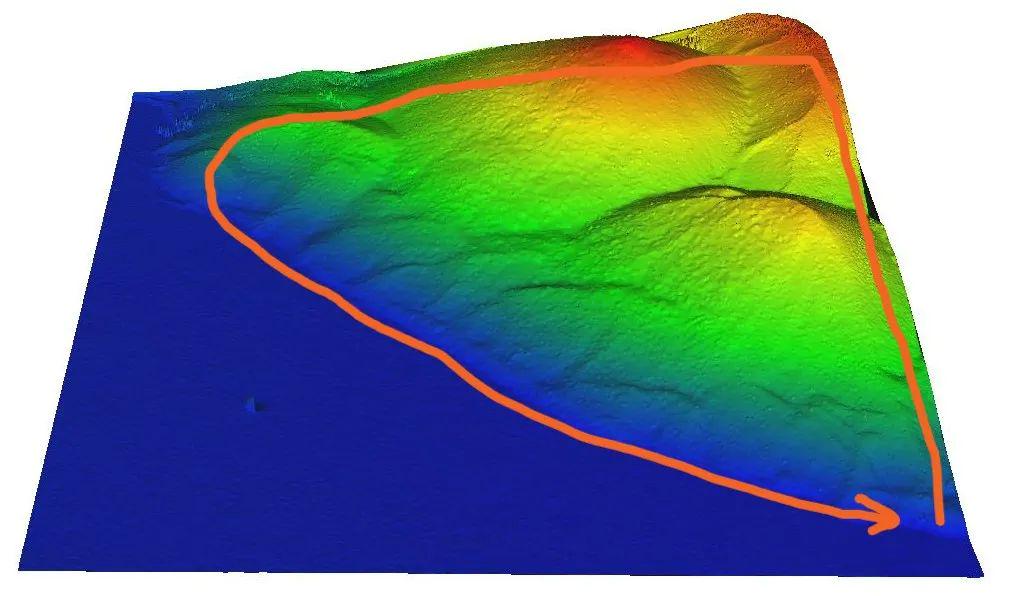
Confirm start and end points of the scanning and scan through a closed-loop covering the entire stockpile heap with Lixel L1's laser point cloud.
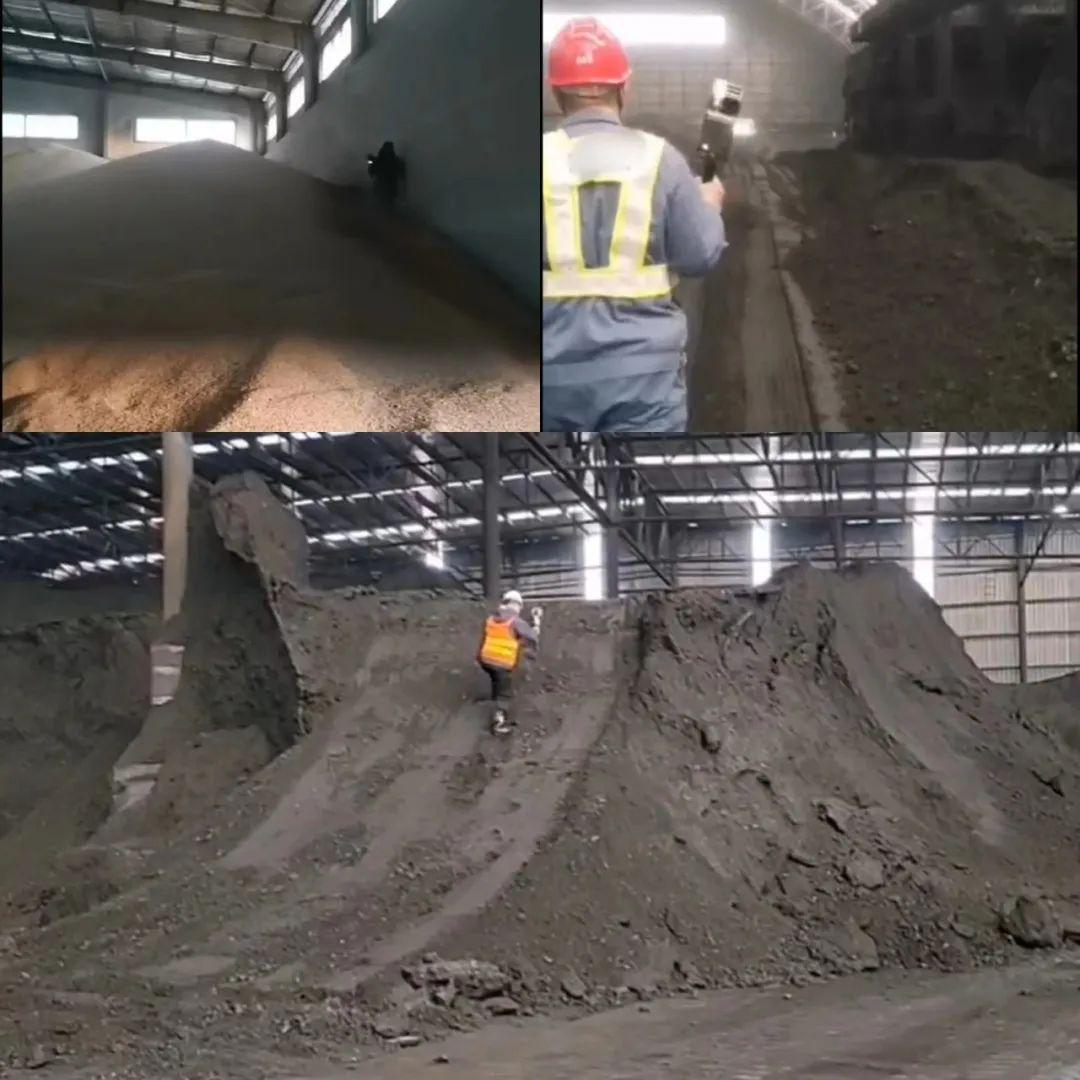
Utilize Lixel L1 for scanning. With a single operation lasting up to 90 minutes, it satisfies the majority of field work scenarios. No need for station changes or post-processing alignment—providing a smooth and reliable workflow. During the scan, real-time preview of point cloud results on a mobile device matches the final exported results.
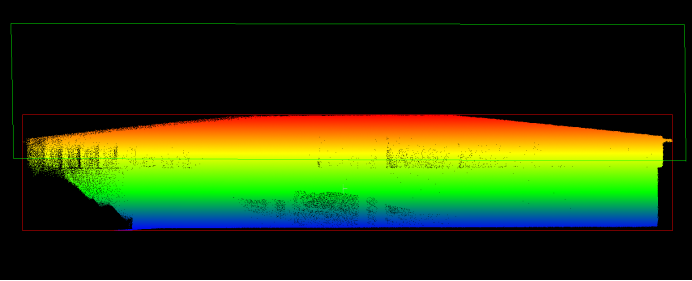
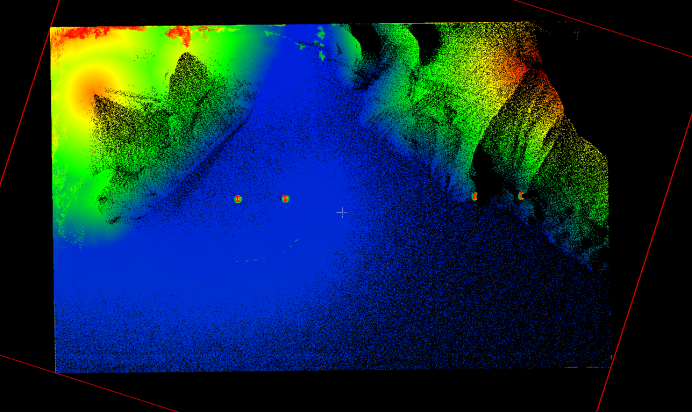
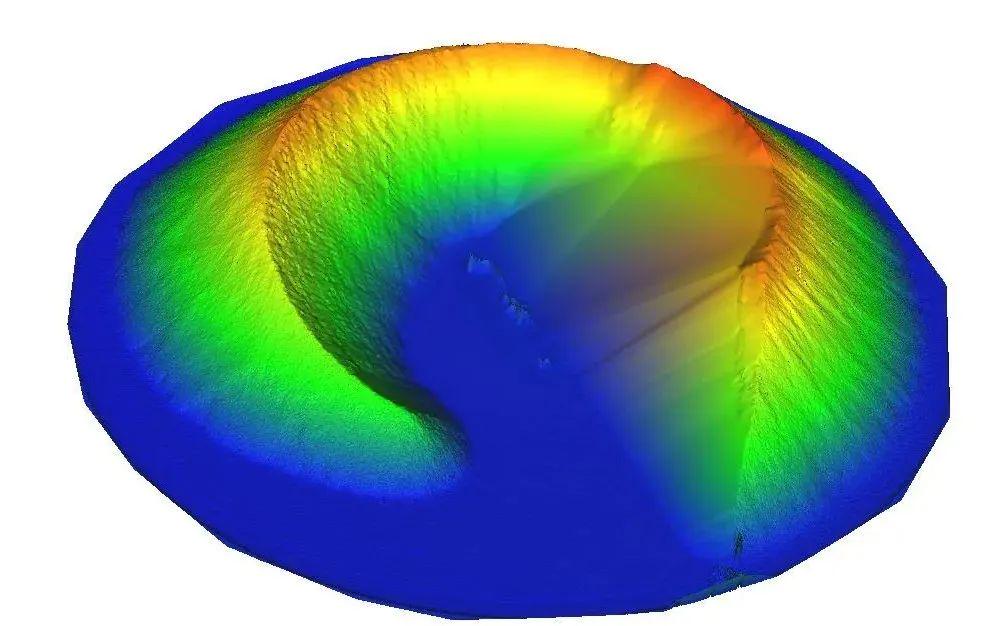
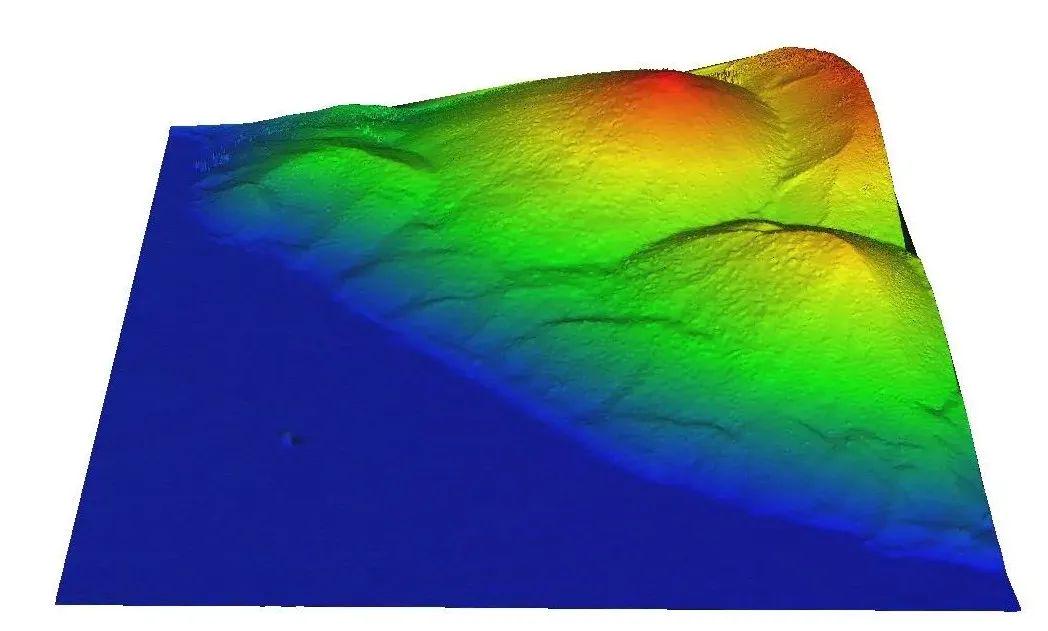
▲Point cloud that removes ceiling and walls
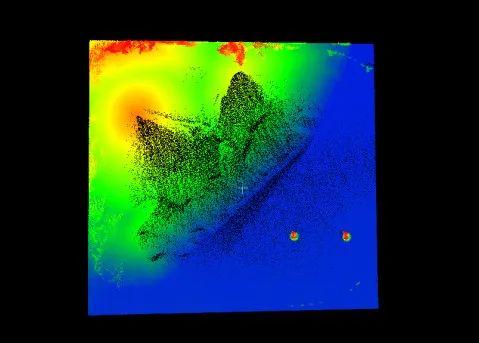
▲Segment stockpile heaps
▲Eliminate columns, shadows of people, and equipment
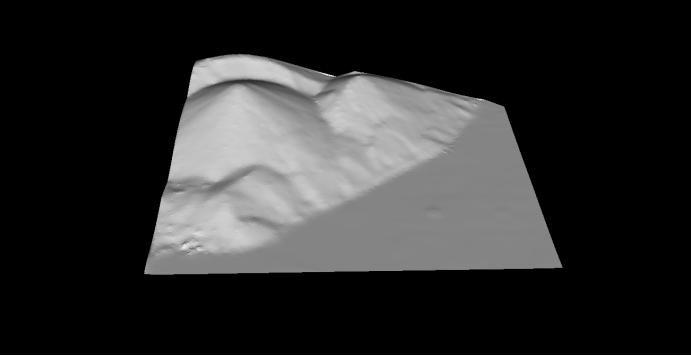
▲Model after establishing a reference plane
Using LixelStudio, the post-processing software, to generate a color point cloud model, reconstructing the stockpile environment, form, and boundaries. It can also create a 3D mesh model through data fusion of point cloud and panoramic images.
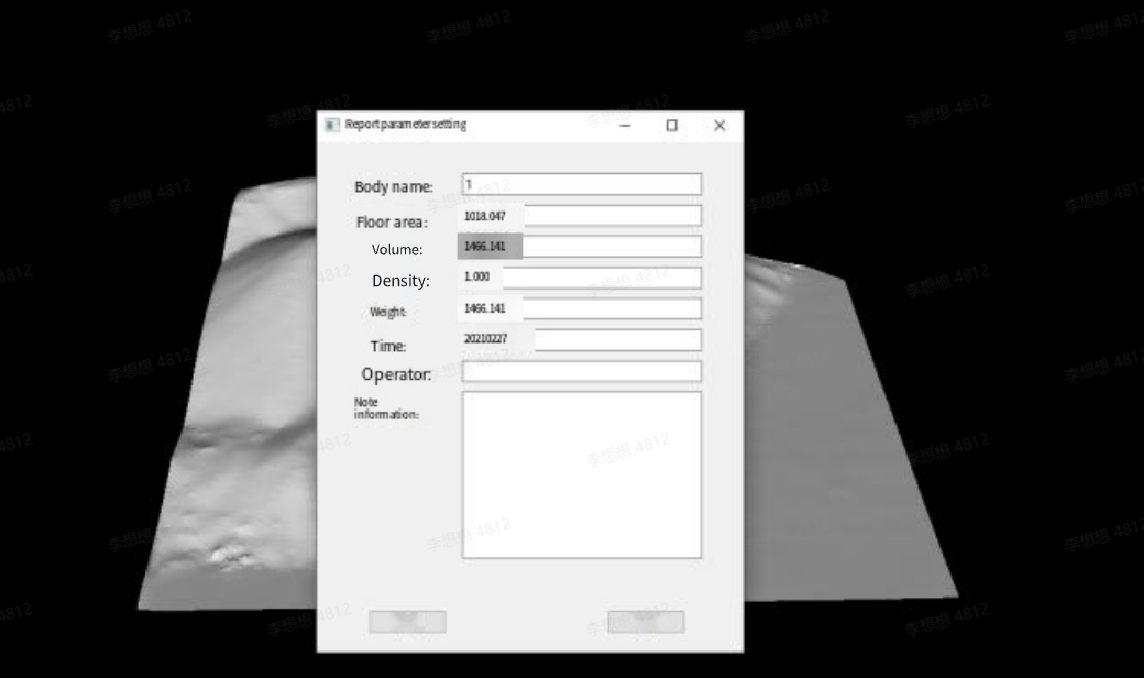
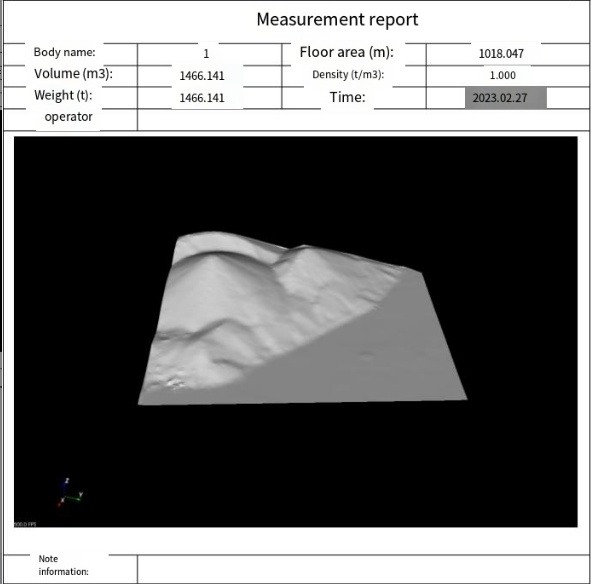
▲Generate measurement report
Paired with the point cloud processing software, measure and calculate 3D heap point cloud data, outputting comprehensive result reports.
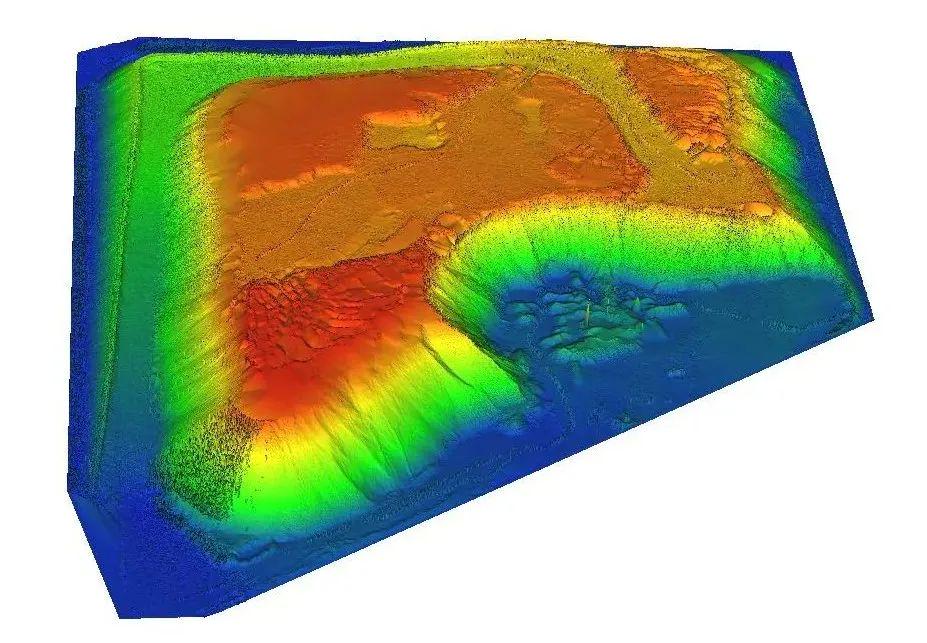
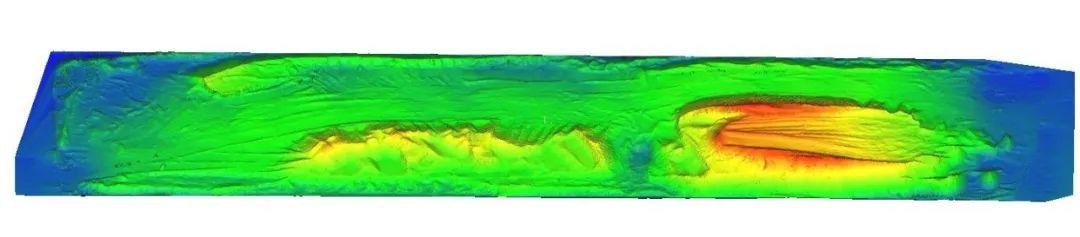
Lixel L1, employing a fusion of multi-source data and SLAM technology, quickly obtains the length, width, and volume of the target stockpile heap. It generates 3D model data, offering measurability and visibility. The efficiency is more than 10 times that of traditional methods. Lixel L1 allows for on-the-spot measurements, saving field working time, significantly improving lab working and processing efficiency, and substantially reducing economic and time costs per project. The integrated design of its body is easy to grip for single-handed operation and mobile scan. Additionally, it supports backpack and various mounts operations, meeting various work requirements in different scenarios and measurement ranges.
Reality capture let Netflix's Monster scout 35 Italian locations in four days with PortalCam, then plan shots remotely through virtual scouting of 3DGS scans.
.png?x-oss-process=image/resize,w_800/quality,Q_50)
A one-hour Lixel K1 scan of six Culver City blocks gave a generative film pipeline the fixed geometry it needed to keep six locations consistent.
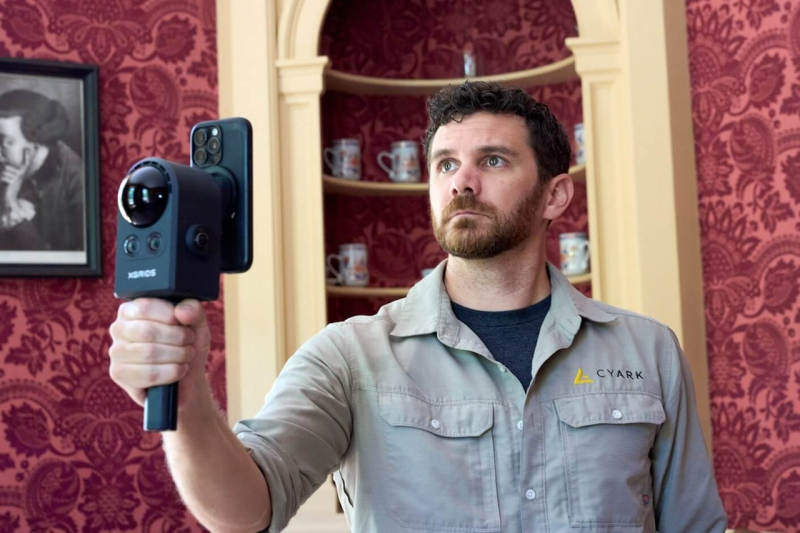
Handheld 3DGS by PortalCam helped CyArk document three landmark interiors for America 250, solving mirror reflections and low-light field challenges.
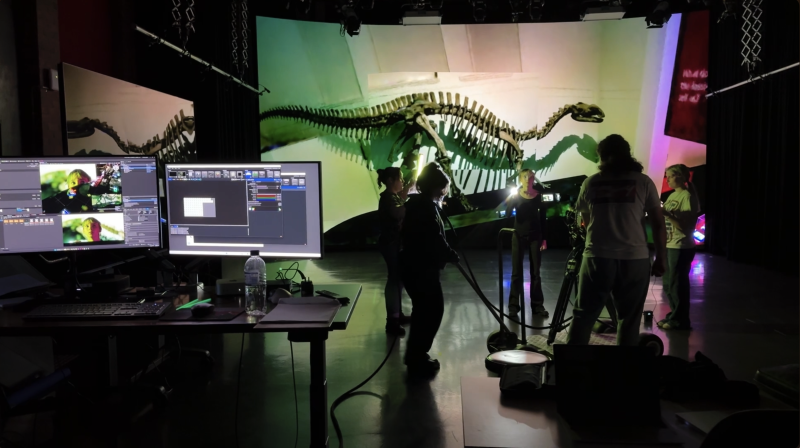
Handheld 3D capture brings real museum spaces to LED volumes, replacing green screens and photogrammetry for fast, cinematic virtual camera moves.