Build XR Experiences with Real-World Spatial Data.
Capture real environments and transform them into interactive XR experiences with industry-leading 3D Gaussian Splatting technology. Deploy the same spatial asset across VR, AR, mixed reality, game engines, web platforms, and immersive applications. With an open LCC2 format, developer SDKs, and an advanced LOD rendering architecture, XGRIDS brings 3DGS beyond visualization and into production-ready XR workflows.
Why XR Needs More Than 3D Models
Why XR Experiences Are Moving Beyond Traditional 3D Pipelines
Creating immersive experiences has traditionally required multiple production steps — modeling, retopology, texturing, optimization, level creation. Every immersive environment must be manually rebuilt before it can be experienced in XR. Reality capture changes that workflow. Instead of reconstructing environments from scratch, developers can begin with the real world itself. 3D Gaussian Splatting dramatically improves the visual fidelity of captured environments, but most 3DGS solutions remain experimental.
Production-Ready 3DGS
Move beyond research prototypes and bring Gaussian Splatting into real-world production pipelines.
Open Developer Ecosystem
Build on an open LCC2 format with SDKs, plugins, and cross-platform integrations.
Industry-Leading Rendering Performance
Advanced LOD technology enables real-time rendering of large-scale Gaussian environments.
Multi-Platform Deployment
Deploy the same dataset across Unreal Engine, Unity, web applications, and XR platforms.
Reality-Based XR Content
Transform physical spaces into interactive virtual environments through mobile reality capture.
One Dataset, Multiple Experiences
Capture once and publish everywhere.
From Reality Capture to Interactive Experiences
Traditional XR production often requires rebuilding reality.
Step 1
Capture Real Environments
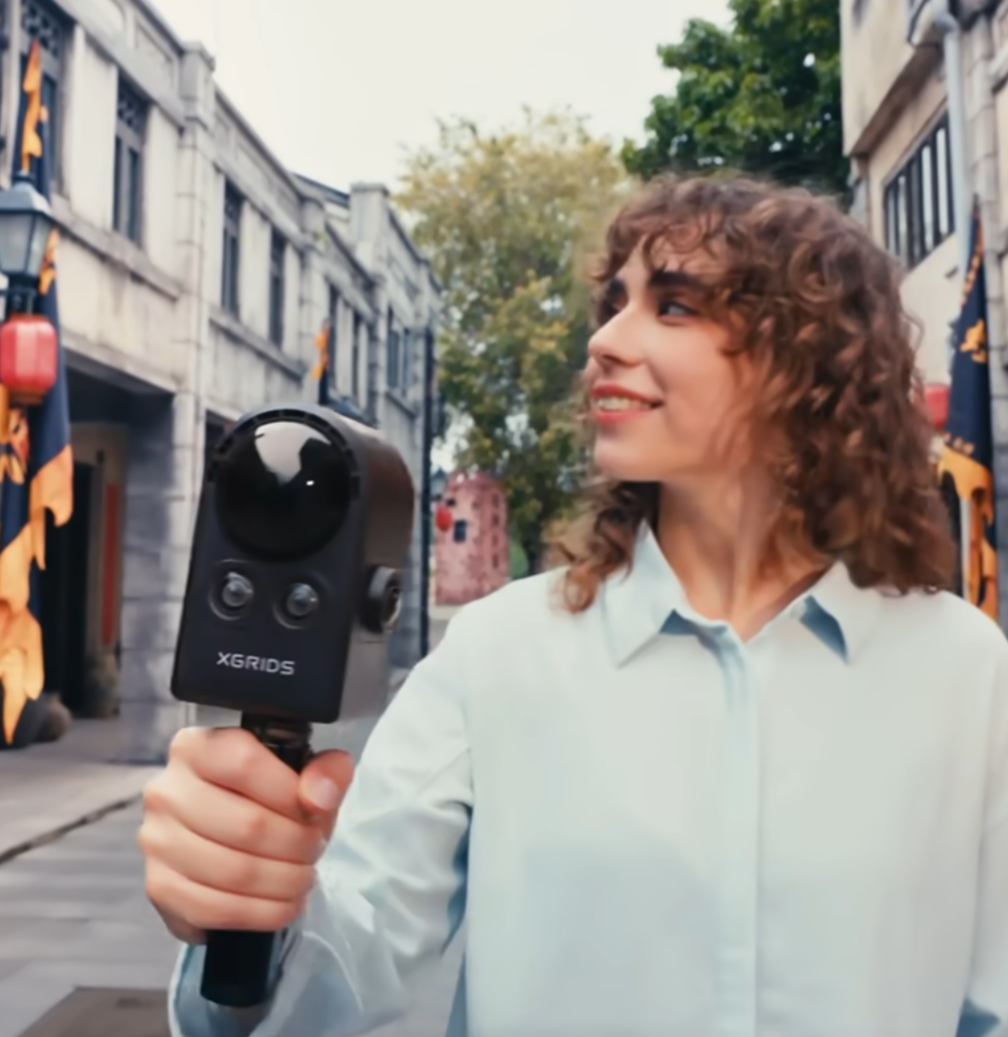
Capture indoor and outdoor spaces using PortalCam or Lixel spatial scanners. Record both geometry and visual information in a single workflow. Capture real-world locations, architectural environments, cultural sites, industrial facilities, urban spaces, and physical objects.
Step 2
Generate 3DGS Assets
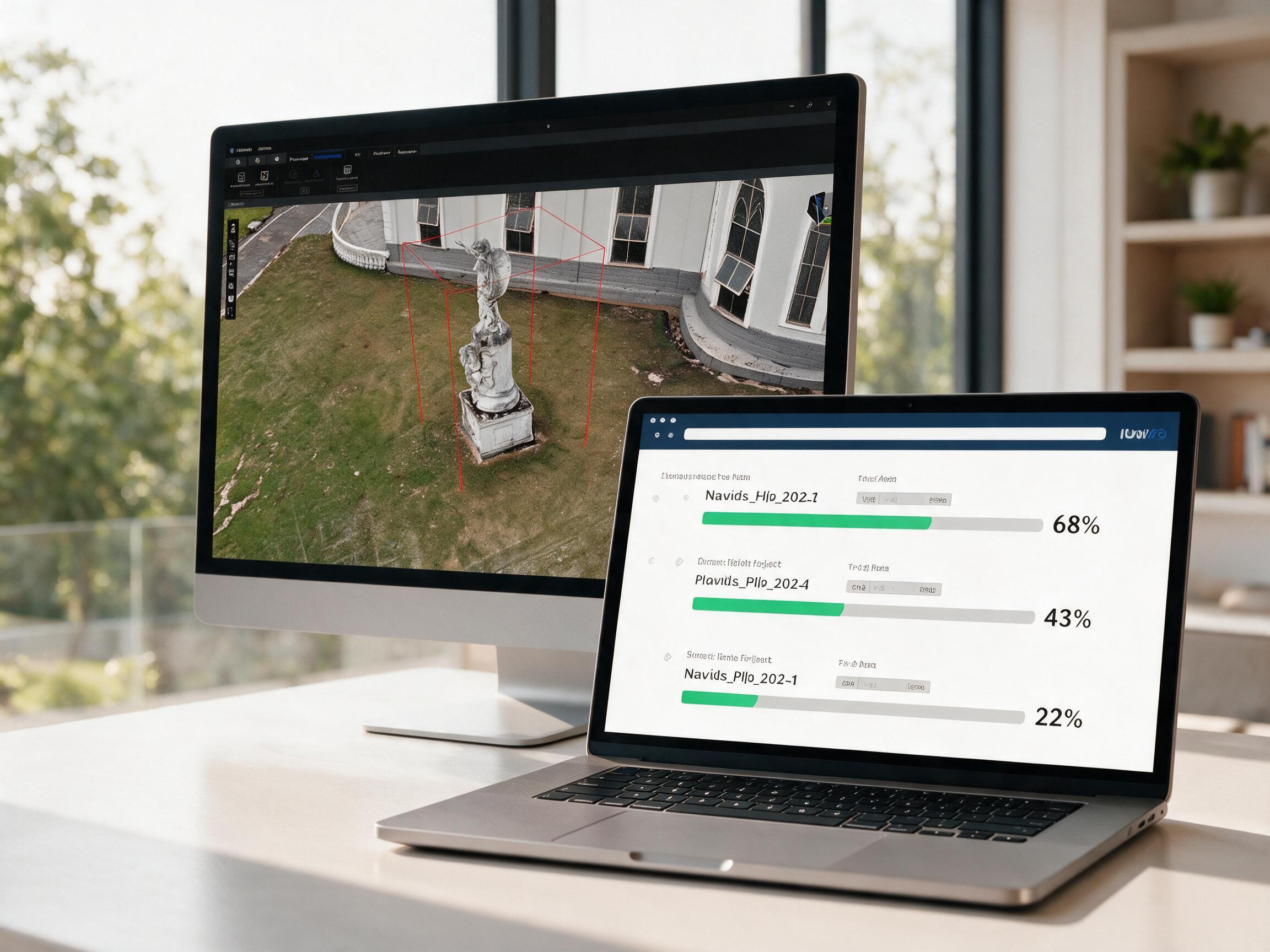
LCC automatically reconstructs the environment as a high-fidelity 3D Gaussian Splatting scene. Generate multiple outputs simultaneously: LCC2, PLY, point clouds, meshes, and panoramic imagery.
Step 3
Develop with Open Tools
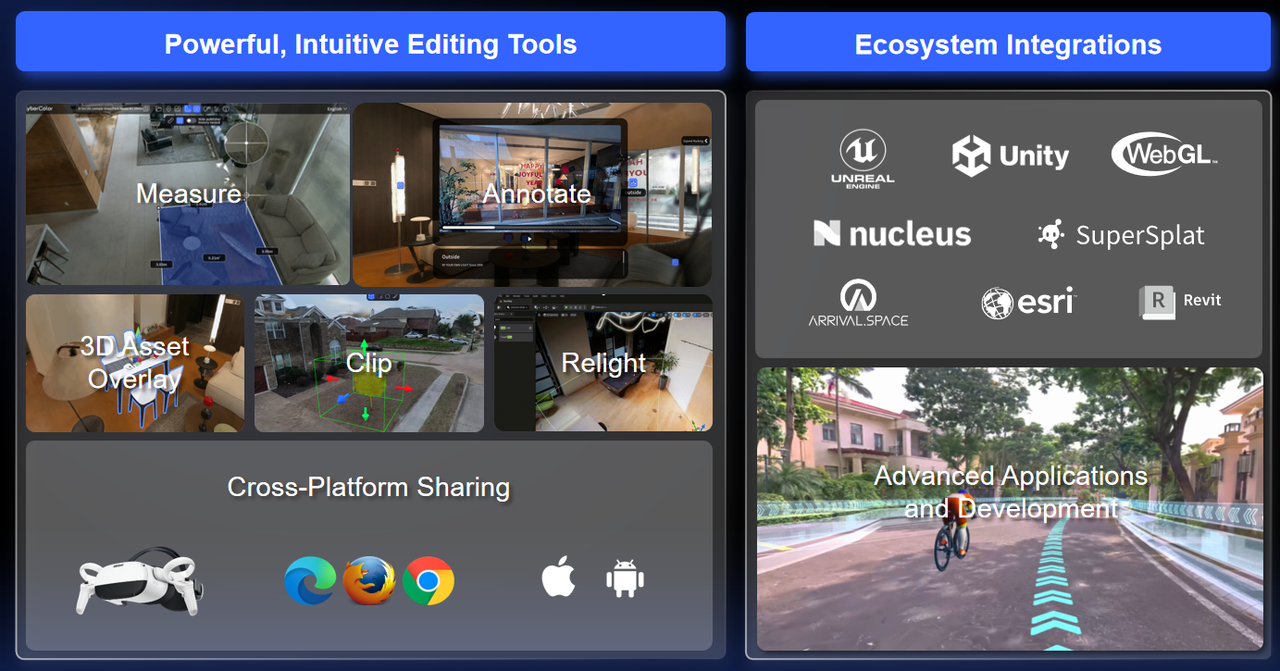
Integrate captured environments into your preferred development workflow. Use Unreal Engine SDK, Unity SDK, Web Viewer, Open APIs, and the open LCC2 format.
Step 4
Optimize Large-Scale Experiences
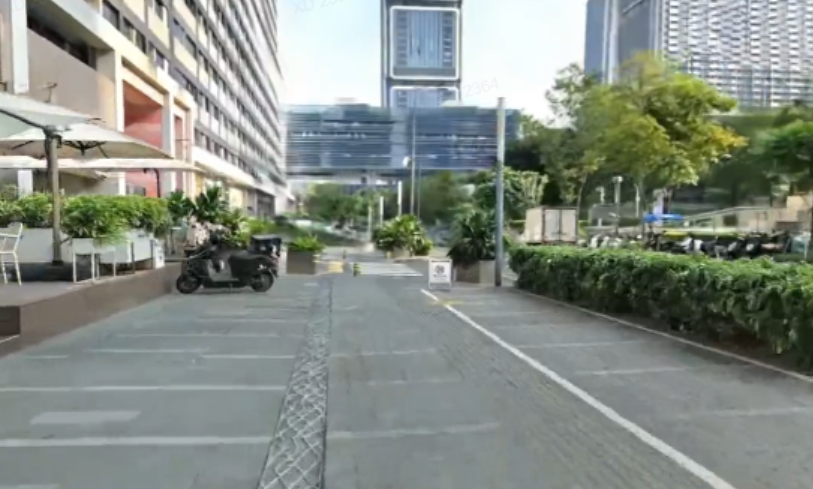
XR applications require performance. Traditional Gaussian Splatting pipelines often struggle with memory consumption and rendering efficiency. XGRIDS uses an advanced LOD rendering architecture to support large-scale environments while maintaining visual quality and real-time performance.
Step 5
Publish Across XR Platforms
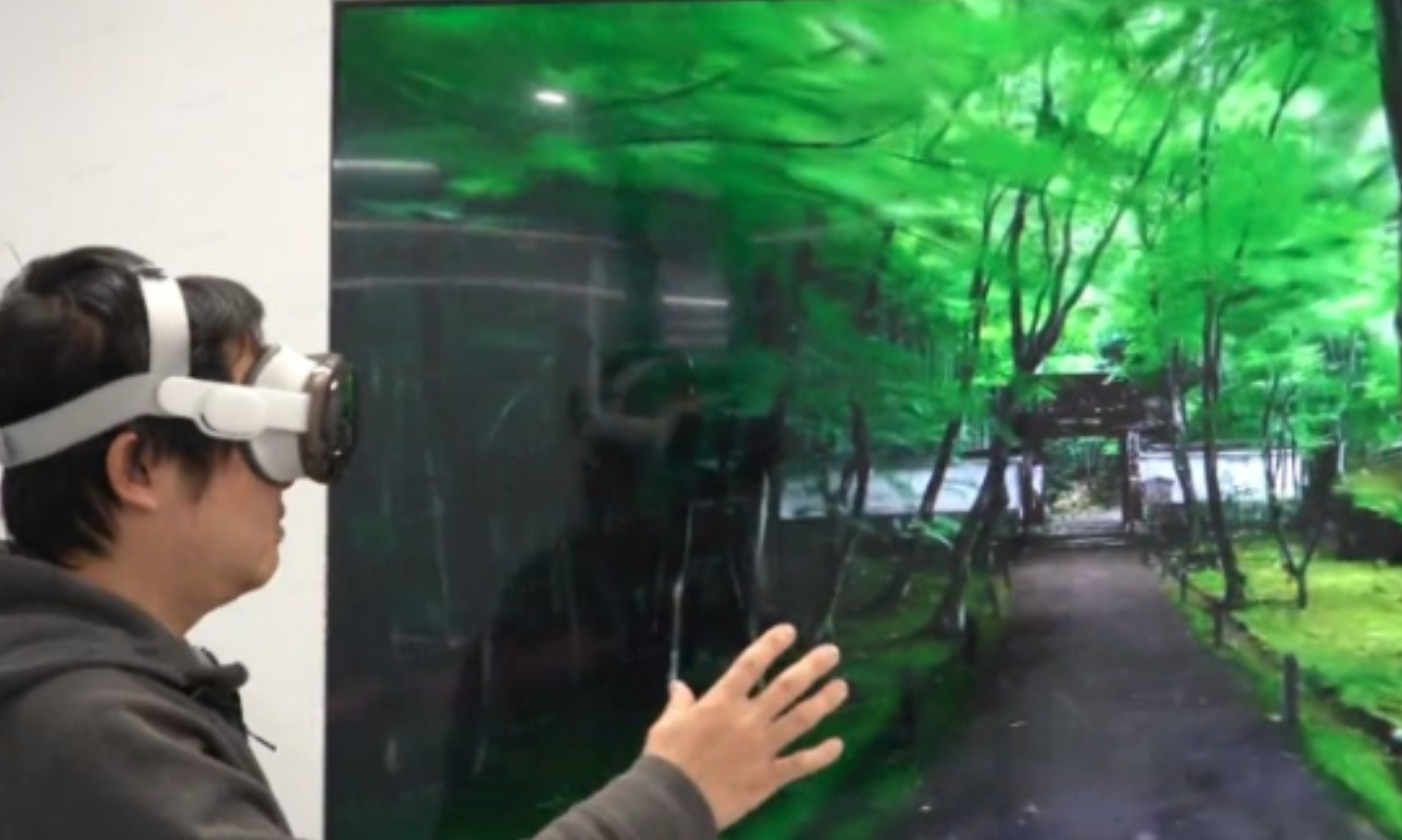
Deploy the same spatial asset across multiple platforms. Build VR applications, AR experiences, mixed reality applications, interactive installations, digital twins, and spatial computing experiences.
PortalCam / Lixel Scanners
A spatial camera captures key viewpoints with cleaner appearance for finished and showcase-grade content; handheld spatial scanners cover walkable areas at scale, tight and indoor spaces included.
ReconstructLixel CyberColor
Automatically reconstructs the environment as a high-fidelity 3DGS scene with matching mesh.
IntegrateLCC UE SDK
Loads 3DGS scenes directly in Unreal Engine with advanced LOD for billion-scale real-time rendering.
The same spatial asset deploys across VR, AR, mixed reality, game engines, web platforms, and immersive applications — capture once and publish everywhere.
Where Teams Use It
Each scenario is broken down the same way: the problem you have today, how we solve it, and what changes.
Scenario 1
Virtual Reality Experiences · Content studios, XR developers
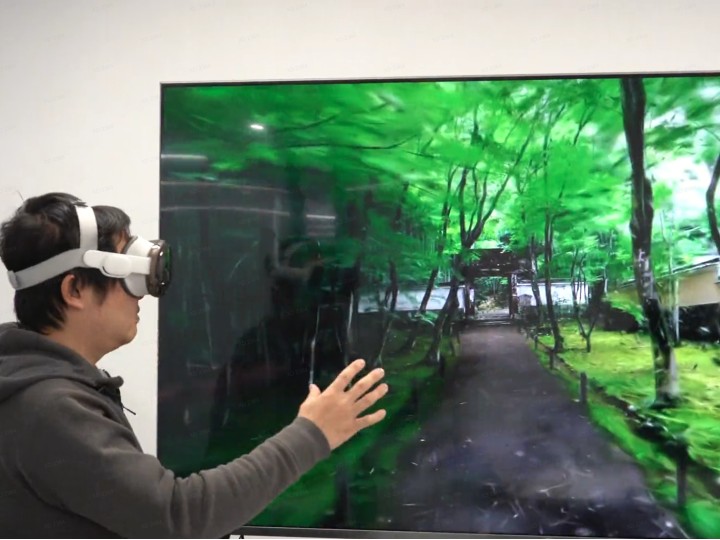
Transform Real Places into Immersive VR Worlds
Creating realistic VR environments often requires extensive modeling and optimization. Large environments can take weeks or months to recreate.
Capture the environment directly. Use reality-based 3DGS assets instead of manually building virtual scenes. The result is a more authentic and efficient VR production workflow.
- Faster content production
- Higher visual fidelity
- Reduced development costs
- More immersive experiences
Scenario 2
Augmented Reality & VPS · Spatial computing, AR app teams
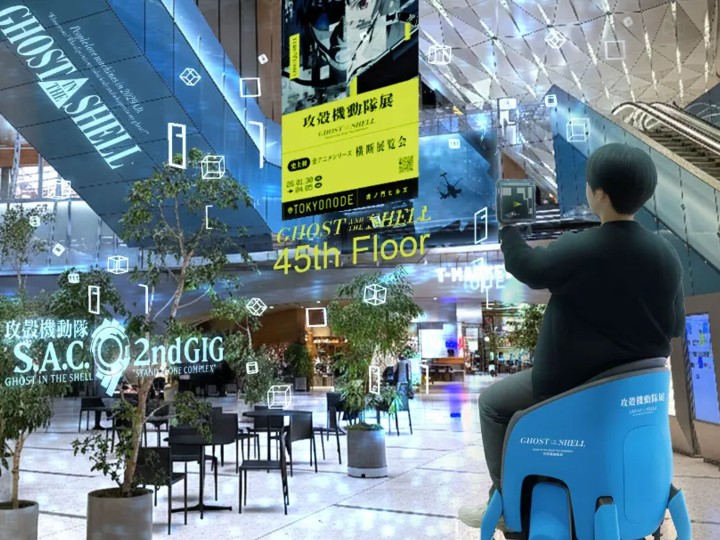
Anchor Digital Content to the Physical World
AR experiences depend on accurate spatial understanding. Traditional image-based tracking often struggles in large or complex environments.
Real-world environments captured by XGRIDS can be transformed into Visual Positioning System (VPS) data. Working with ecosystem partners such as MultiSet, 3DGS datasets can become spatial anchors for persistent AR experiences. Digital content can be precisely aligned with physical environments.
- Persistent AR experiences
- Improved spatial localization
- More reliable environmental understanding
- Richer location-based experiences
Scenario 3
Game Development & World Building · Game art, virtual world teams
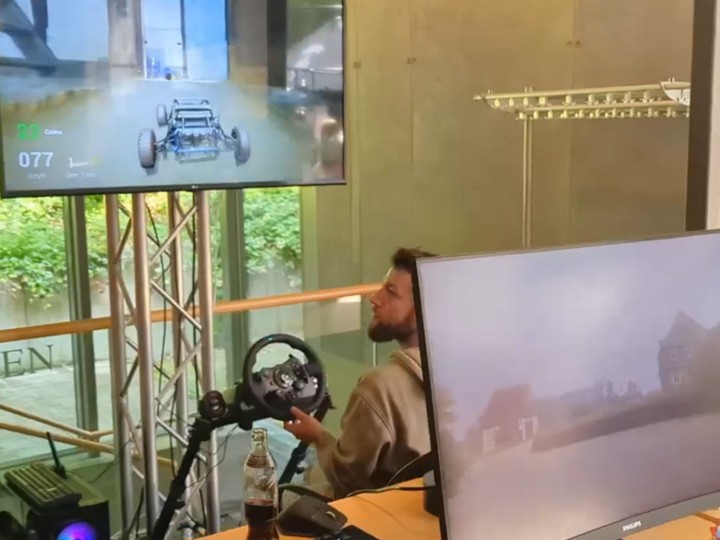
Build Worlds from Reality
Environment creation remains one of the most time-consuming stages of game development. Traditional asset pipelines require extensive modeling and optimization.
Capture real locations and bring them directly into game engines. Artists can focus on storytelling, lighting, interaction, and gameplay rather than rebuilding environments from scratch.
- Accelerated environment production
- Reduced modeling workloads
- More realistic worlds
- Shorter development cycles
Scenario 4
Large-Scale Spatial Computing · XR developers, platform teams
Render Massive 3DGS Environments in Real Time
Most Gaussian Splatting workflows were designed for small scenes. Large environments introduce significant challenges in memory management, rendering performance, and scene streaming.
XGRIDS developed an advanced LOD rendering strategy specifically for large-scale Gaussian environments. Massive datasets can be streamed, managed, and rendered efficiently. Developers can build interactive applications without sacrificing visual quality.
- Better scalability
- Improved frame rates
- More efficient memory usage
- Support for larger environments
Scenario 5
Production Pipelines for 3DGS · Developers, content pipeline teams
Move Beyond Demos and Into Production
Many 3DGS tools remain isolated from existing content creation pipelines. Datasets become locked inside proprietary viewers. Developers struggle to integrate Gaussian assets into real production workflows.
The open LCC2 format allows developers to work with 3DGS data beyond a single application. Plugins, SDKs, and open workflows enable Gaussian environments to move between different platforms. 3DGS becomes a reusable production asset rather than a standalone visualization.
- Open workflows
- Better interoperability
- Cross-platform compatibility
- Production-ready 3DGS assets
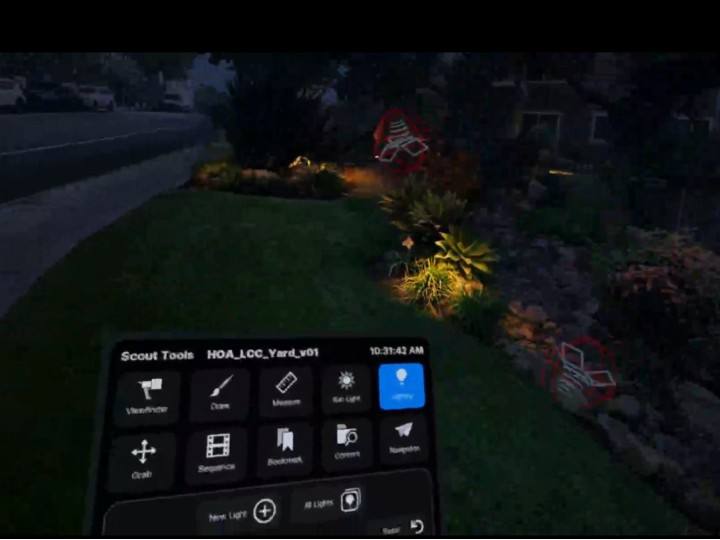
Building the Next Generation of Spatial Experiences
XR experiences built with XGRIDS technology — from persistent AR to large-scale real-time environments.
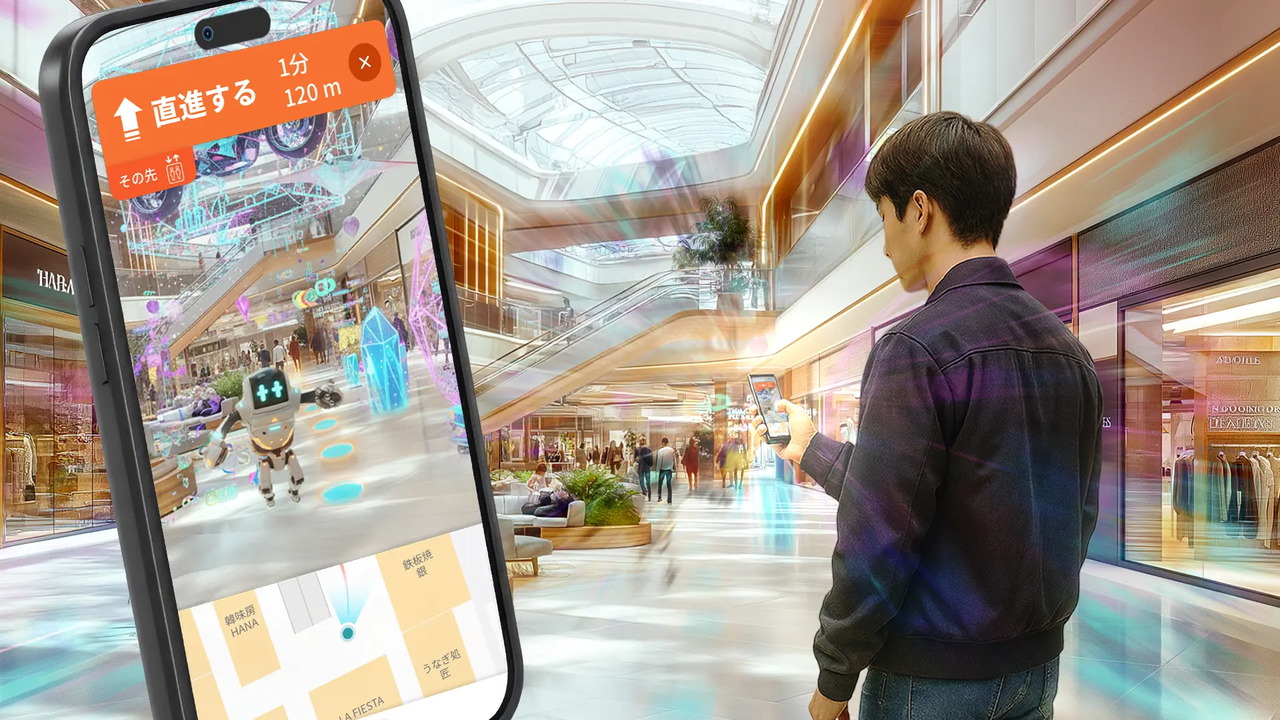
From 3D Capture to Real-World Positioning: How XGRIDS 3DGS Solution Supports VPS for AR Navigation and User Interaction
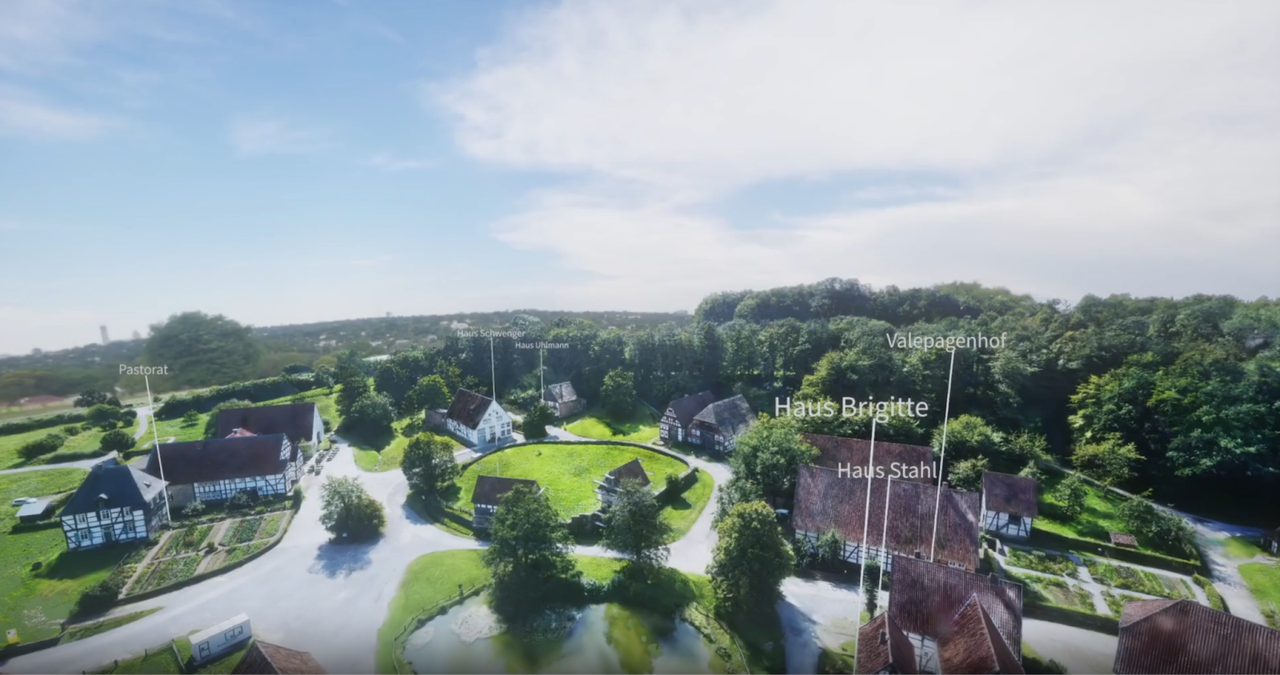
Museum Digitization: How the LWL Open-Air Museum in Detmold Uses Immersive Tech to Open Restricted Spaces

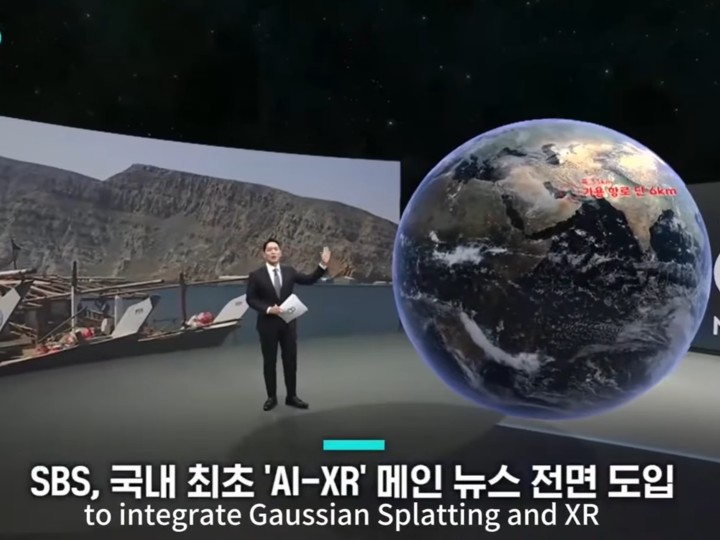
Virtual Production for Live XR Broadcasting: XGRIDS Elevates SBS's AIXR Studio With LCC 3DGS Solution
Frequently Asked Questions
Common questions about XGRIDS technology, formats, engines, and XR workflows.
Most 3DGS solutions focus on visualization. XGRIDS focuses on production. Our workflows support open formats, SDKs, plugins, large-scene rendering, and integration with existing development pipelines.
XGRIDS currently supports Unreal Engine, Unity, and web-based rendering.
LCC2 is an open spatial format developed by XGRIDS for managing large-scale 3DGS datasets. The format was designed for streaming, interoperability, and real-time rendering.
XR experiences require stable frame rates and efficient memory management. LOD dynamically adjusts scene complexity so that large environments remain interactive.
Yes. Captured environments can be integrated into AR workflows and converted into VPS-enabled datasets through ecosystem integrations.
Yes. The XGRIDS developer platform provides SDKs, plugins, and open APIs for custom development.
Built for Developers
Supported platforms and integrations for the XGRIDS XR workflow.
Unreal Engine
Load and render 3DGS scenes directly in Unreal Engine with the LCC UE SDK.
Unity
Common formats (OBJ, PLY, point cloud) integrate directly into Unity pipelines.
Web Viewer
View and share 3DGS scenes in a browser — no application install required.
NVIDIA Omniverse
Connect to the broader 3D collaboration ecosystem through NVIDIA Omniverse.
Capture Reality. Build the Next Experience.
Explore the developer platform, download sample data, or talk to a solutions consultant.