LCC2: The Open Format for the 3D Gaussian Ecosystem

News7 min read

An open format that more tools, more industries, and more developers can build on.

Spatial intelligence has become one of the clearer directions in AI, and high-quality spatial data is becoming part of its foundation. Robotics, autonomous driving, digital twins, XR, and virtual production all need spatial data that is reliable and computable.

LCC2 reorganizes how that data is structured for spatial intelligence: an open data architecture, efficient compression, dual-track LOD, and synchronized editing across LOD layers. The point is for spatial data not just to store and move efficiently, but to be easier for different platforms to bring in, edit, and apply.

XGRIDS builds its spatial intelligence platform with partners around the world, working to make spatial data an editable, interactive, computable, and freely circulating foundation inside production pipelines. A technology keeps creating value only when it reaches new platforms, serves new industries, and connects new developers.

Connecting Creation: 3D Content Gets Its Editing Pipeline

Images have a full software stack for editing. Video has a mature post-production workflow. 3D data needs the same: a way to be processed, organized, and reworked. A growing number of 3D Gaussian creation tools now build on LCC2.
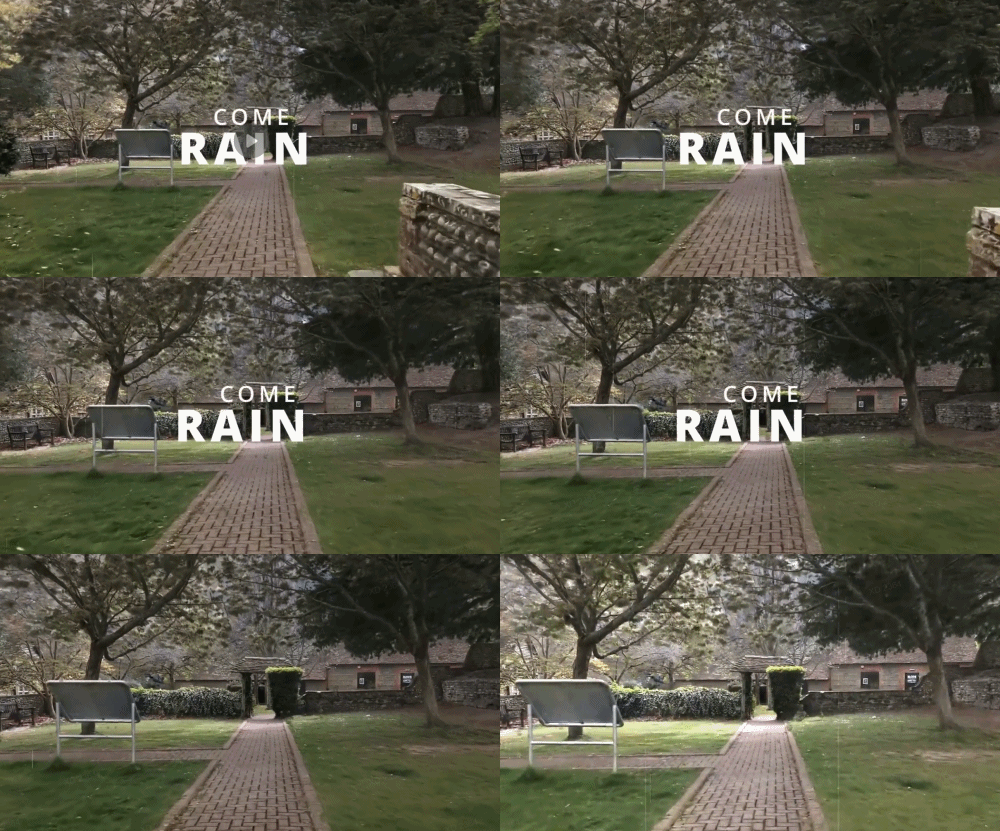
  • Veesus (Arena4D): reads LCC2, with 3DGS editing for model optimization and content work, so creators move through post-production faster.
Veesus Arena4D editing an LCC2 garden scene captured as 3D Gaussian Splatting
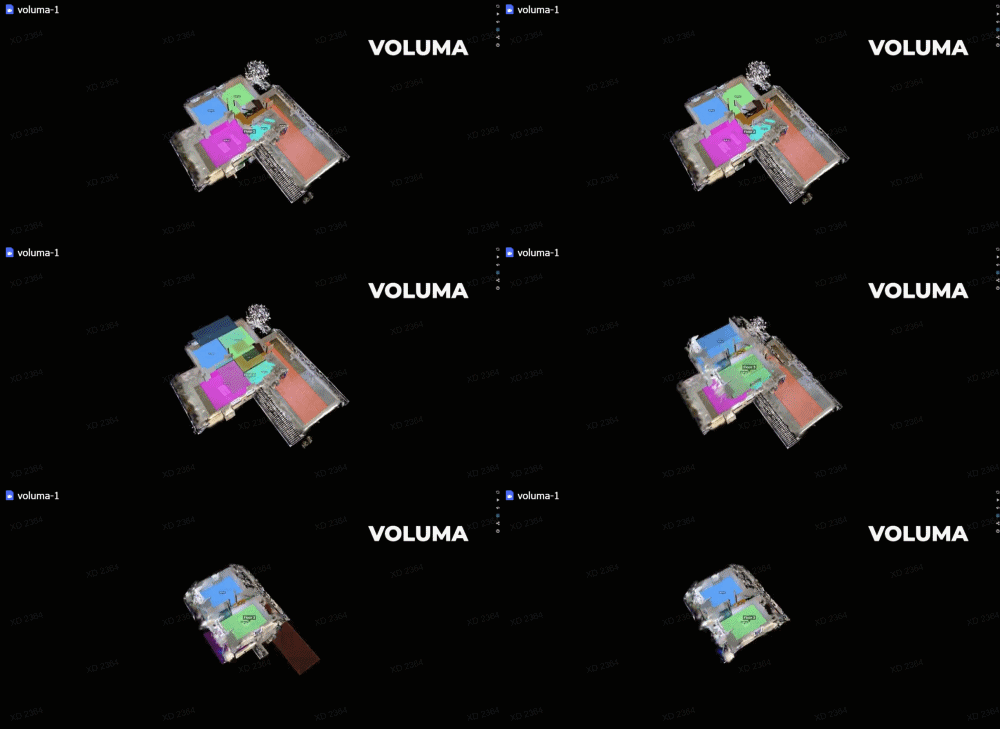
  • Voluma.ai: web-based editing for large scenes, with online viewing, real-time editing, dynamic effects, and direct editing of LCC2-generated floor plans, so complex spaces can be created and managed in the browser.
Voluma.ai web viewer showing a colorized floor-plan segmentation of an LCC2 interior
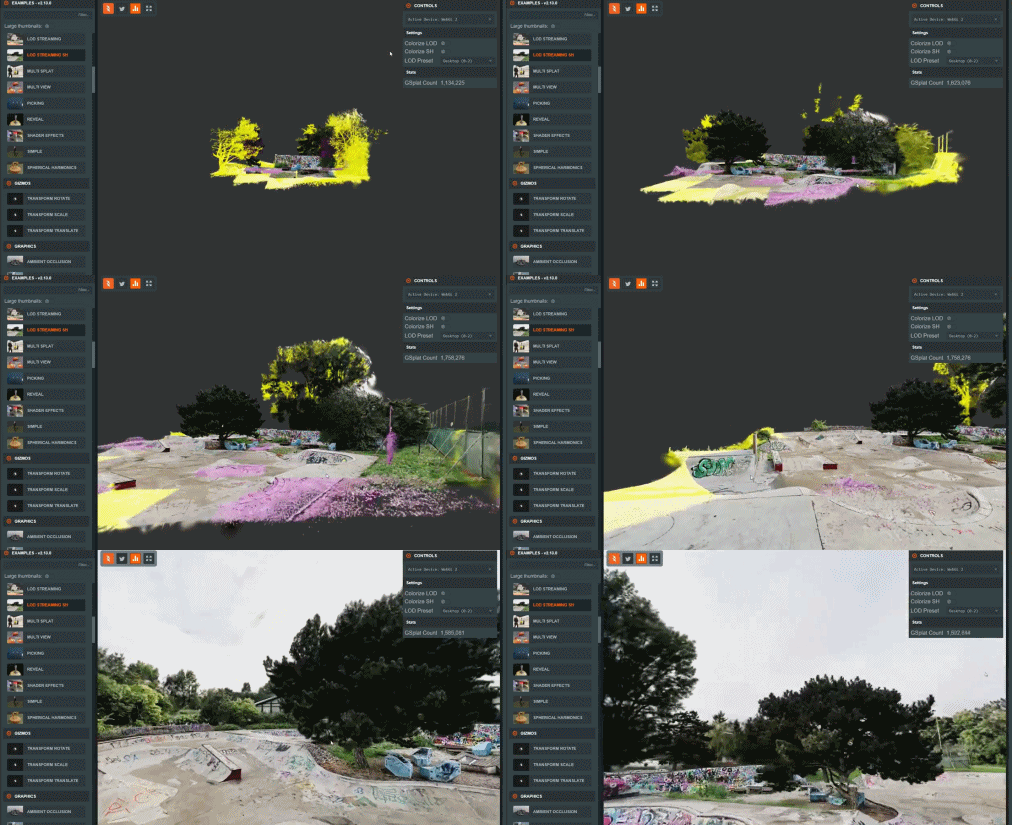
  • PlayCanvas SuperSplat: the widely used open-source Gaussian editor now imports and edits LCC2, so developers can extend it and build content around the format.
PlayCanvas SuperSplat editing an LCC2 Gaussian scene of trees with LOD streaming controls
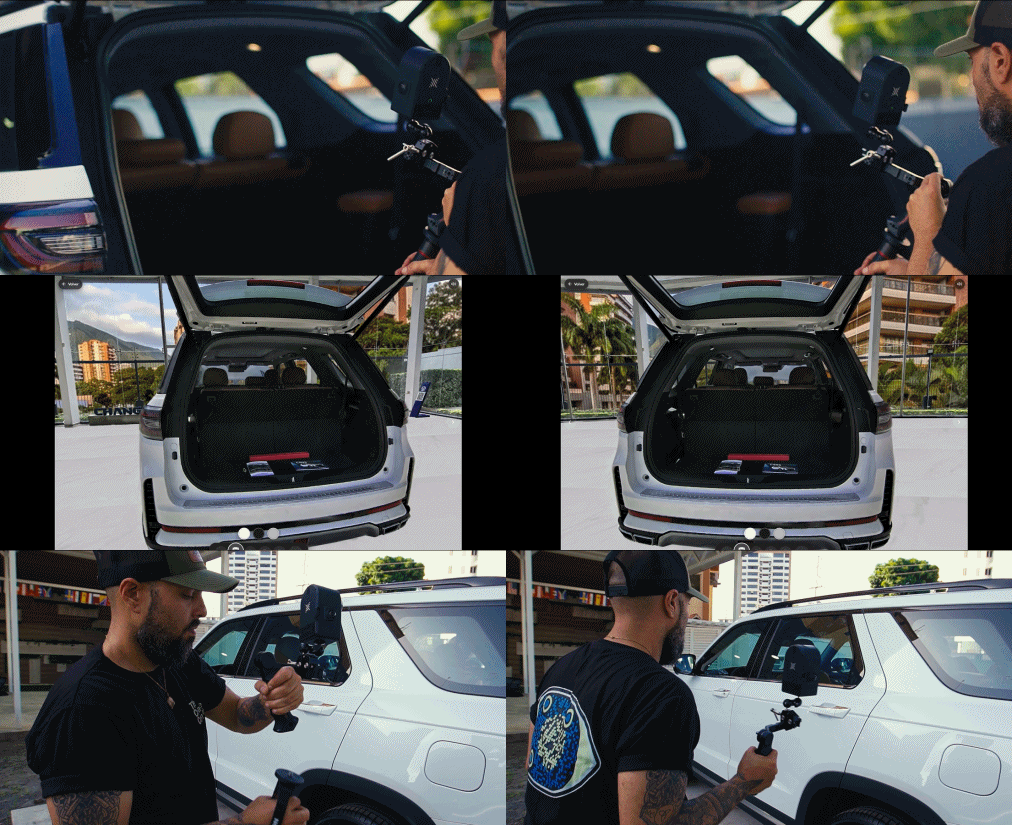
  • Photoshock: in-browser HSL grading, LUT color matching, depth control, and LOD export, giving LCC2 content a more precise, flexible path through post.
Car-interior scene prepared for HSL color grading of LCC2 content in Photoshock
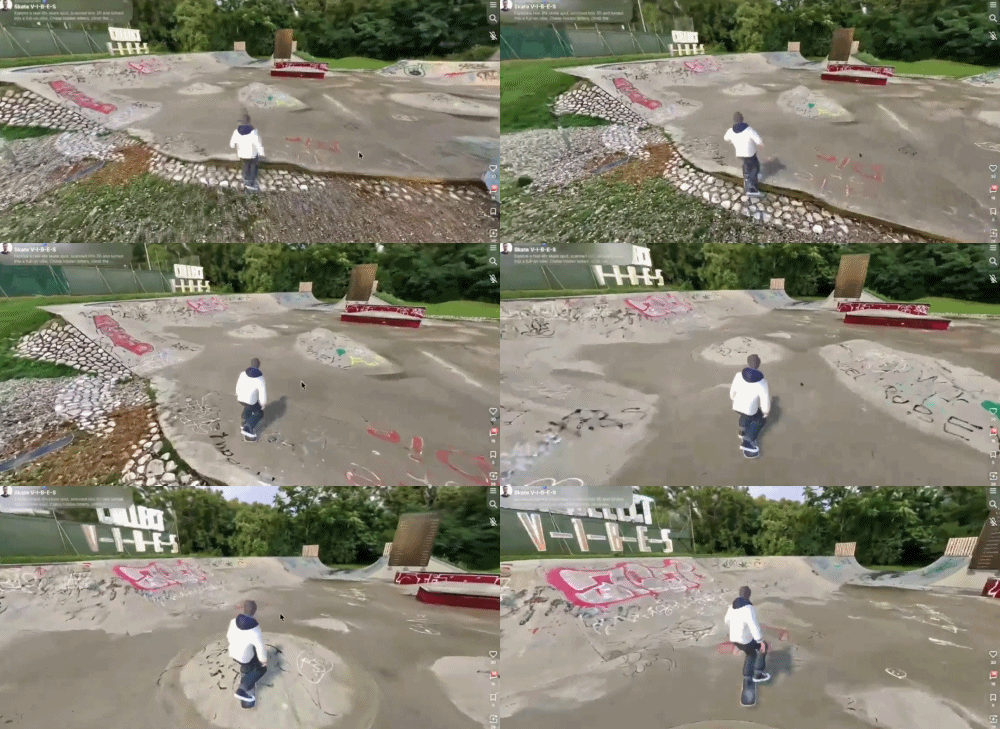
  • Arrival.Space: browsable, interactive, publishable spatial experiences built on LCC2.
Arrival.Space browser experience of a skatepark published from an LCC2 scene
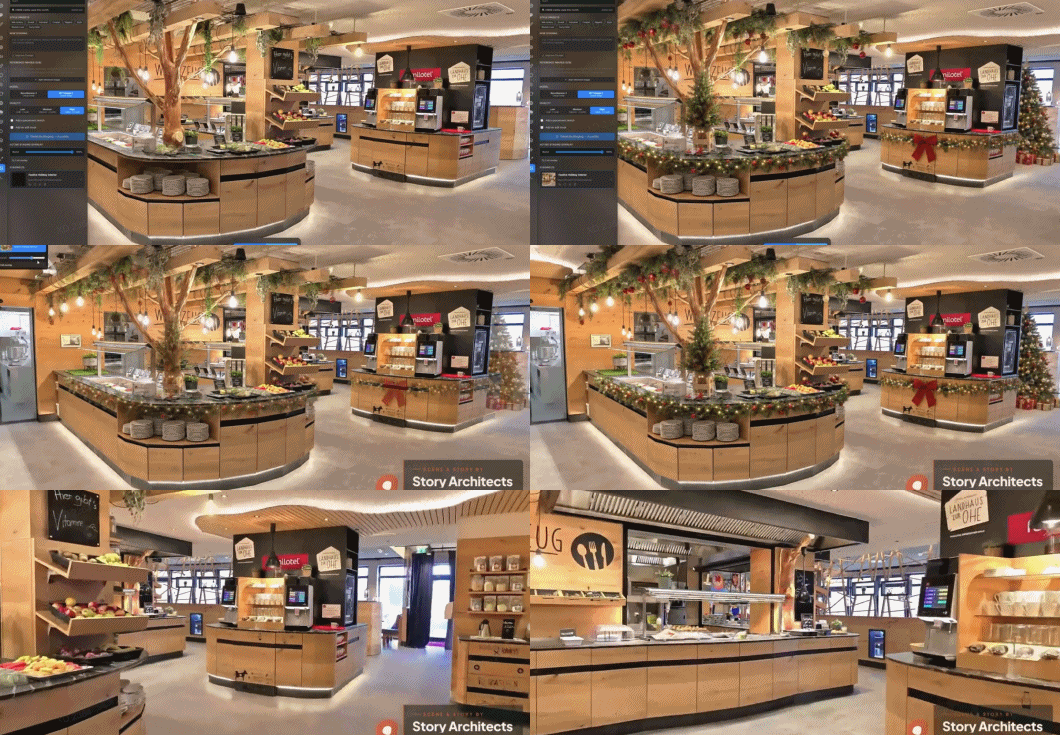
  • StorySplat: uses AI to explore smarter, more stylized 3DGS editing.
StorySplat AI-assisted 3DGS editing of a cafe interior built on LCC2

From editing to creation to publishing, more tools keep growing around the LCC2 model, which is what makes cross-platform work practical rather than aspirational.

Connecting Industry: Real-Scene 3D in Live Business Workflows

3D data built from real-world capture is moving into real estate, manufacturing, AEC, and digital twins, increasingly as base data inside operational systems.
Digital Twins

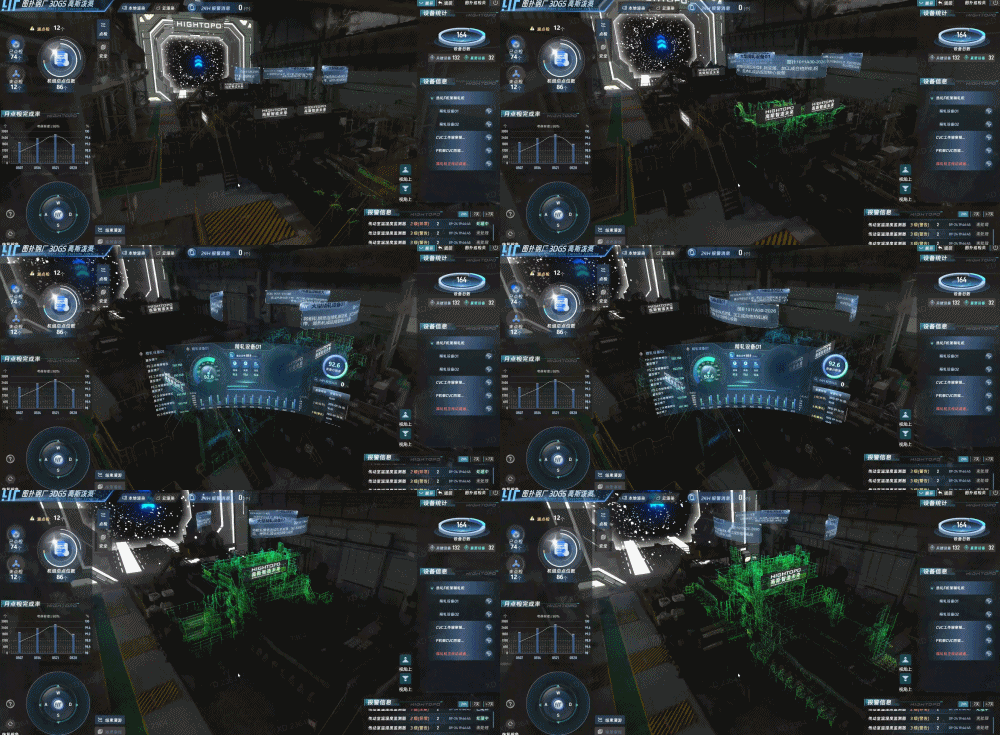
  • Hightopo (HT): combines LCC2 with its digital-twin visualization platform, so captured 3D and an industrial visualization engine display together.
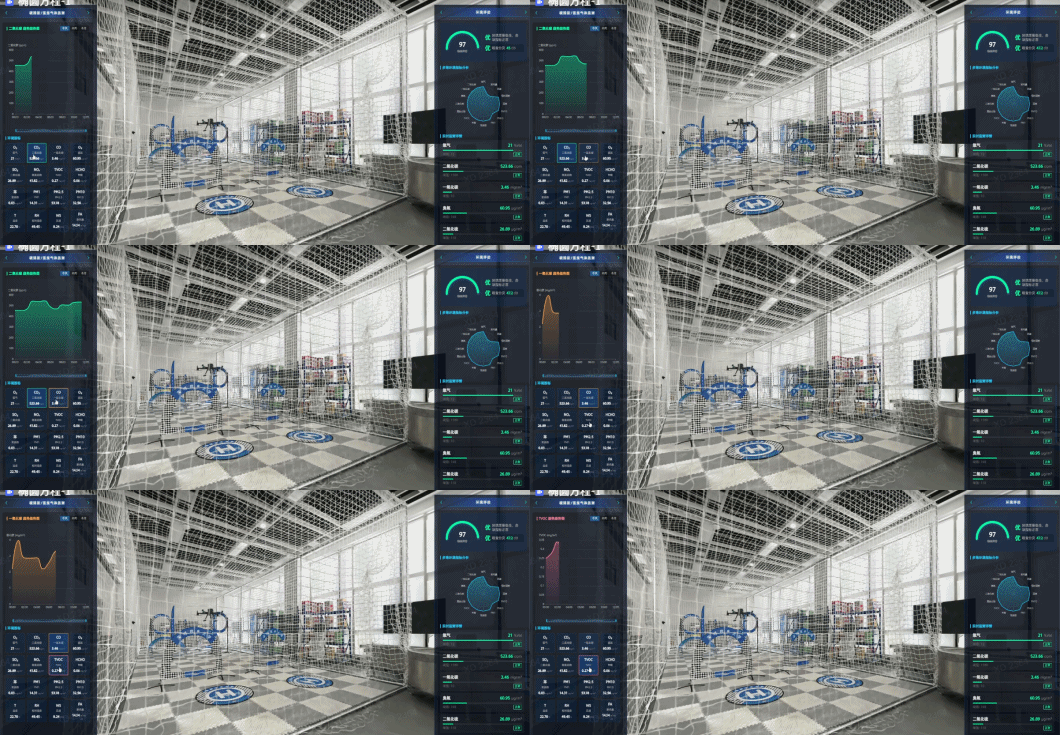
Hightopo digital-twin dashboard overlaying live data on an LCC2 factory model
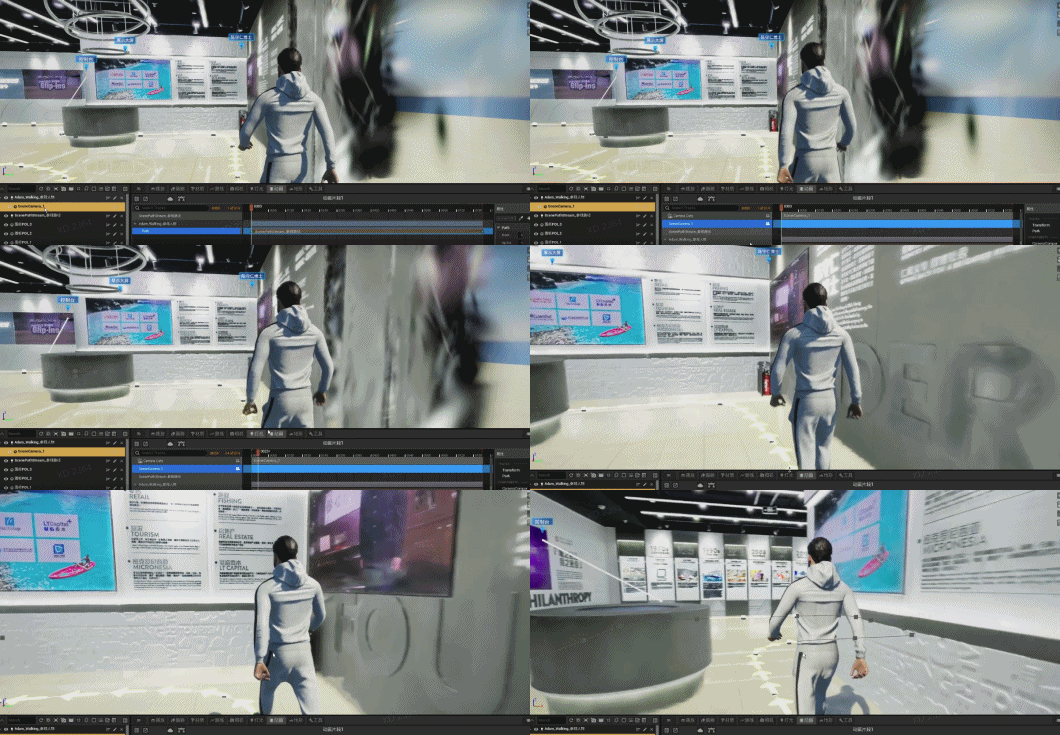
  • CIMPro: compatible with LCC2 for smart factories, smart parks, and digital buildings, linking captured models with live device data, production flows, and alarms.
CIMPro linking an LCC2 showroom model with a timeline for smart-park visualization
  • Prevu3D: turns real captured data into visual digital twins for engineering design, facility management, and industrial collaboration.
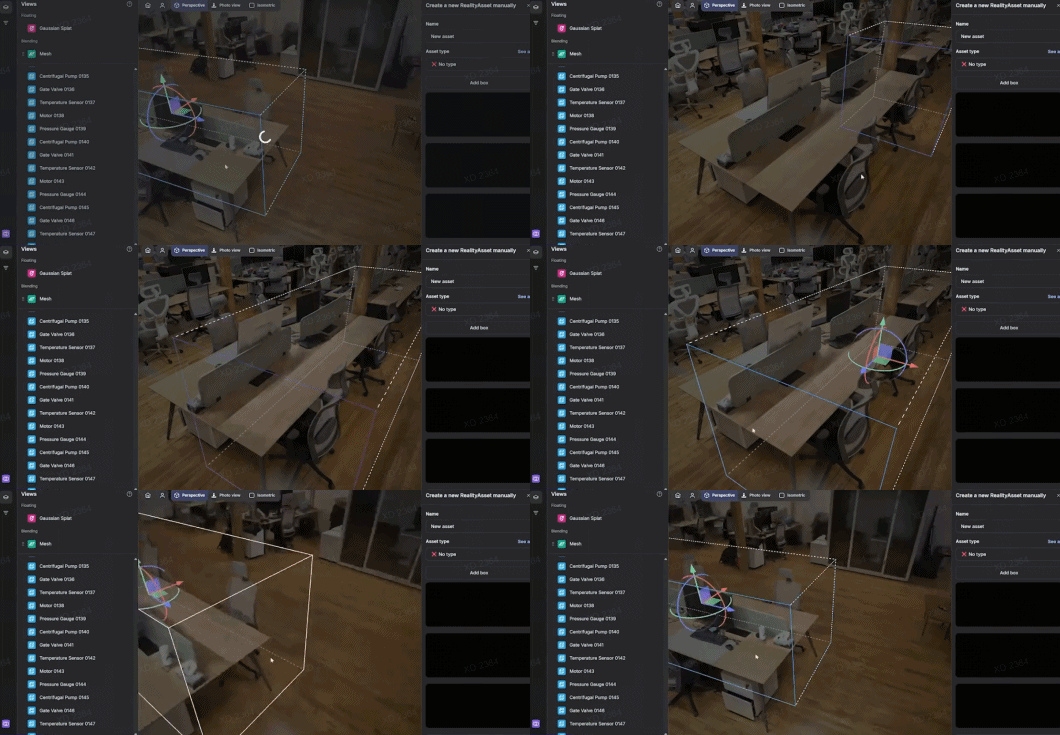
Prevu3D turning an LCC2 office capture into a digital twin with tagged reality assets

AEC

  • TEOFORM: fuses LCC2 captured models with BIM, CIM, GIS, and AIoT data through a unified CIM engine, giving construction projects a more complete spatial foundation.
TEOFORM CIM engine fusing an LCC2 store model with BIM and IoT data on a live dashboard
  • LumenBIM: Integrate LCC2 into commercial workflows for Spatially Realistic Space Review for BIM Projects. Validate key spaces throughout the project, before the finished space falls short.
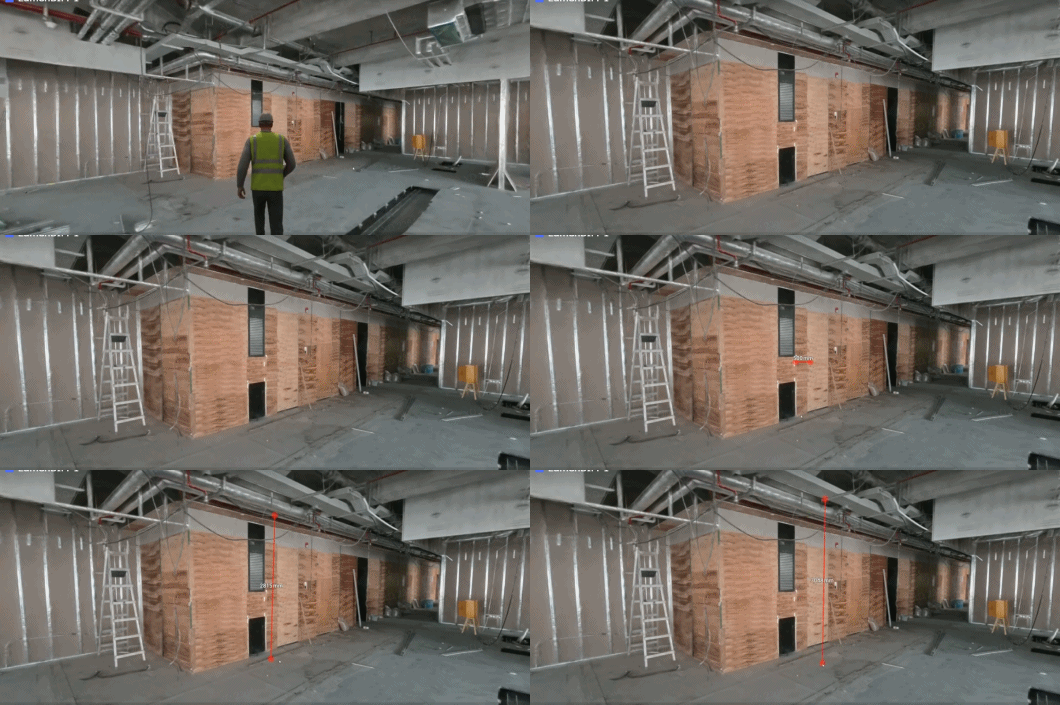
LumenBIM spatial review of an under-construction interior captured as an LCC2 model

Industrial Design

  • Autodesk VRED: supports LCC2 and continues to explore it for automotive design and product visualization, bringing high-quality spatial models further into the industrial design workflow.
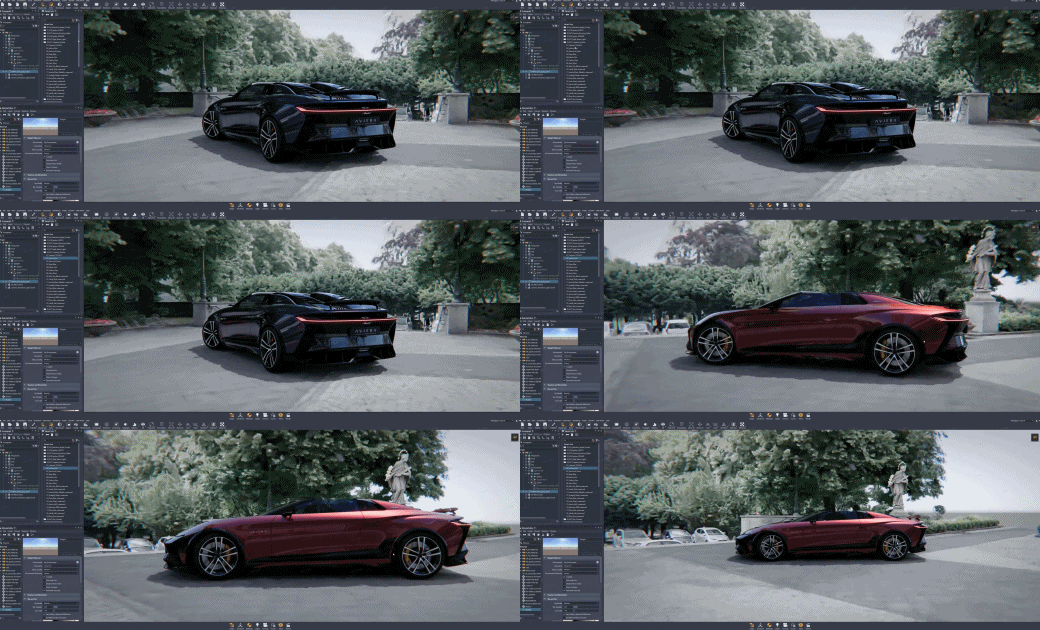
Autodesk VRED visualizing a car against an LCC2 outdoor backdrop for automotive design

Real Estate

  • Nucleus4D and VIOS: real-estate display and immersive spatial marketing, so spatial data serves remote viewing, asset presentation, and similar scenarios.
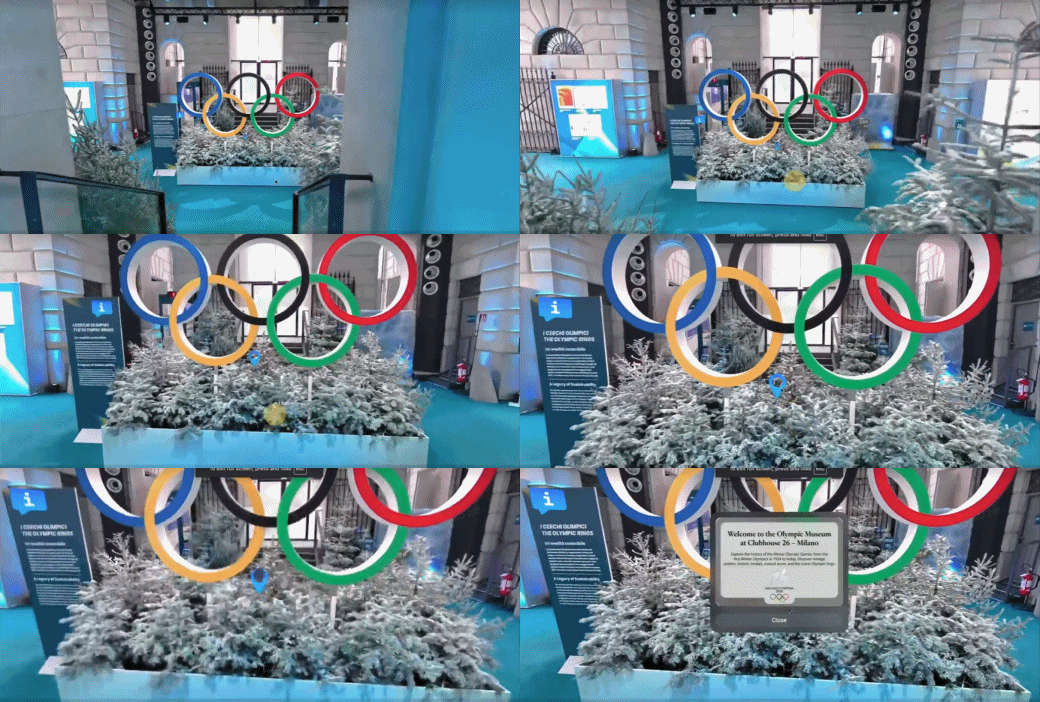
Nucleus4D viewer presenting an LCC2 exhibition hall scene with Olympic rings
VIOS immersive marketing walkthrough of a modern apartment built from LCC2 capture

Connecting Reality: Space as the Interface for AR and Spatial Computing

As digital content moves into the physical world, space itself becomes an interface, and spatial data becomes the bridge between the two.
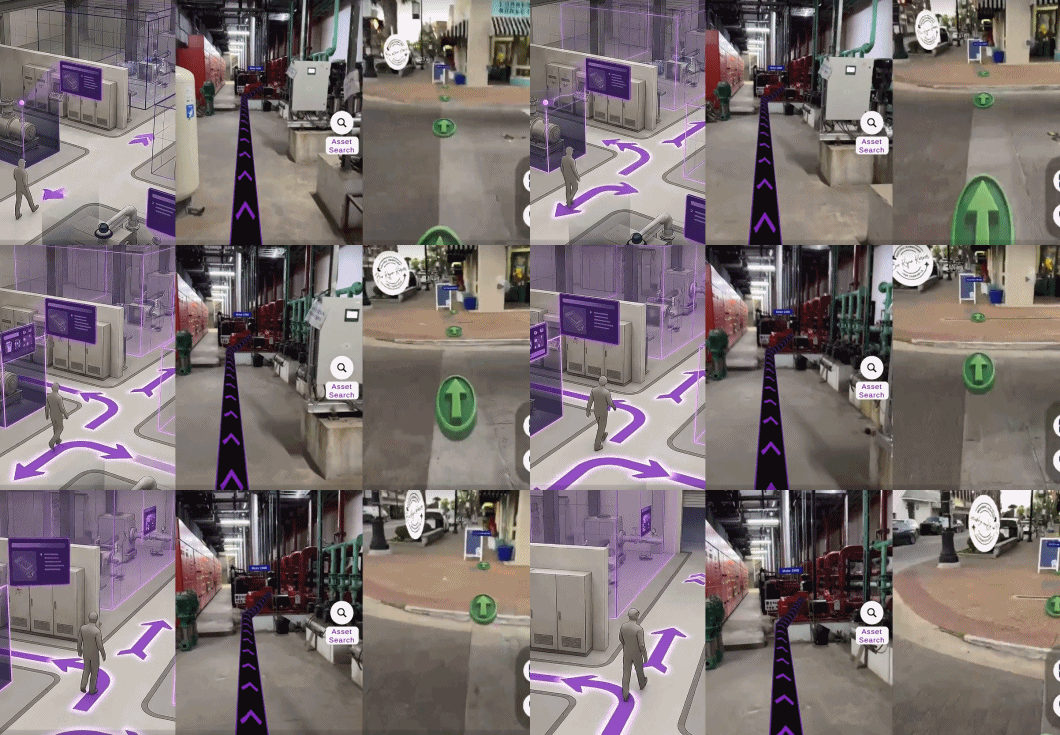
  • EasyAR Mega: integrates high-fidelity LCC2 Gaussian models to deliver precise spatial localization for AR/MR applications, enabling seamless blending of the physical and virtual worlds.
EasyAR Mega using LCC2 Gaussian maps for precise AR localization in indoor and street scenes
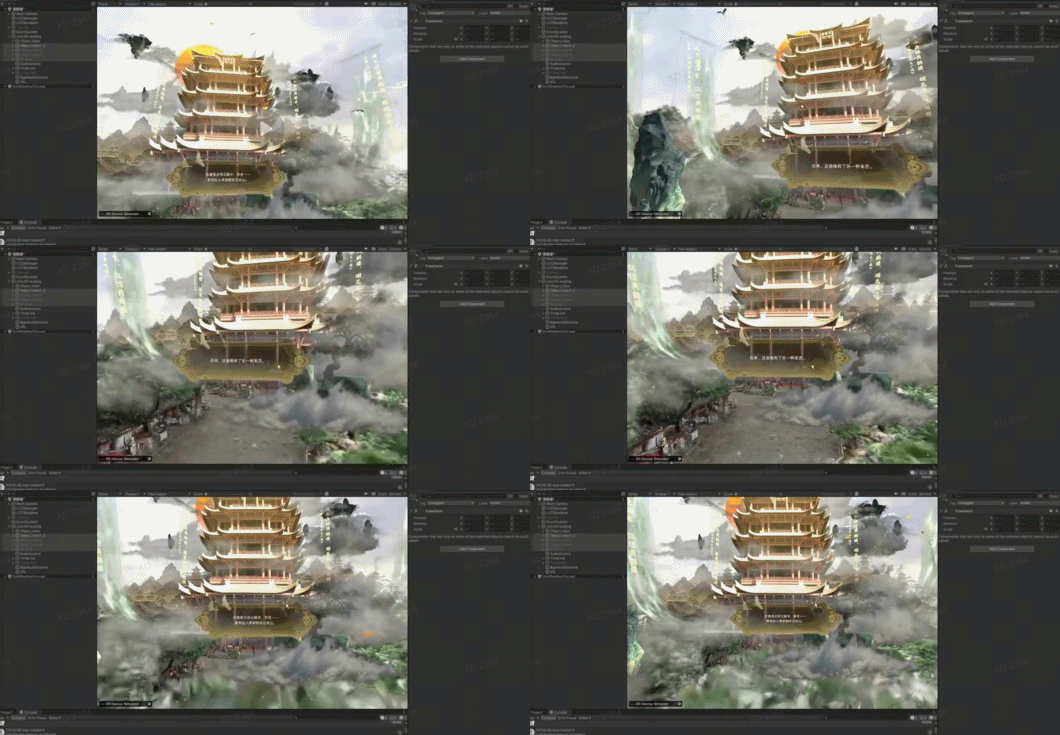
  • MultiSet: combines AI and LiDAR for high-precision spatial maps, giving AR stable positioning and persistent anchoring so digital content stays fixed to the real environment.
MultiSet aligning an LCC2 model of a traditional tower for persistent AR positioning

Connecting Collaboration: Spatial Assets That Move Across Platforms

An open data architecture lets LCC2 fit into cloud collaboration, so spatial assets are not locked inside one tool.
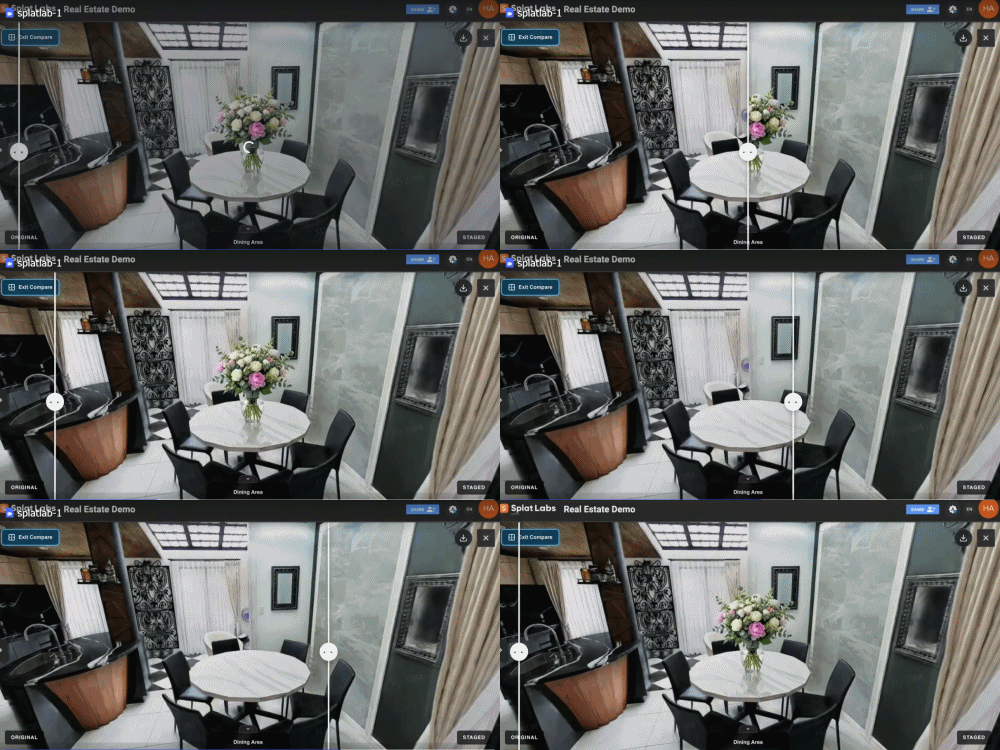
  • Splat Labs: cloud hosting, viewing, and sharing for 3DGS content, so assets from different sources publish in one place.
Splat Labs cloud viewer comparing original and staged versions of an LCC2 real-estate scene
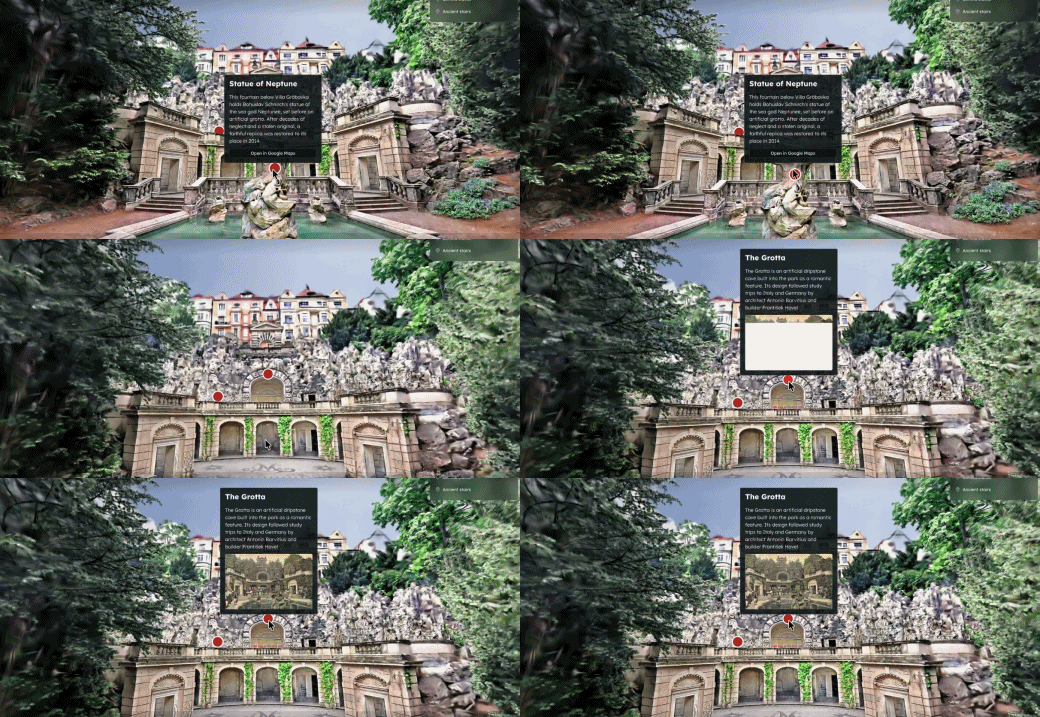
  • Blurry: a 3DGS collaboration platform for professional teams, with large-model hosting, annotation, sharing, and browser access, so large volumes of spatial assets keep moving.
Blurry collaboration platform annotating an LCC2 garden scene with the Statue of Neptune

Connecting AI: World Models as a Data Foundation for Spatial Intelligence

For a robot, a 3D model is not only something to look at. It has to be computable, simulatable, and trainable. Alongside its Gaussian data, LCC2 organizes colliders, geometry, and depth in one place, so a captured space can support robot training and simulation, not only rendering.

OpenUSD has been the standard format carrying XGRIDS spatial data into Omniverse and other downstream tools through our work with NVIDIA. In March 2026, XGRIDS joined the Alliance for OpenUSD, the standards organization whose founding members include NVIDIA, Pixar, Adobe, Apple, and Autodesk, to help shape how open 3D interoperability develops.

An Open Ecosystem, Built to Keep Growing

Infrastructure depends on an open ecosystem. LCC2 was never a closed system; it is a data foundation meant to grow. It connects creation and collaboration, industry and content, space and AI.

More developers and partners are building their own products, platforms, and workflows on LCC2, and more industries are using it to bring spatial data into working applications.

Open source enables new connections, and those connections grow into an ecosystem that carries spatial intelligence forward.

Share this article