Case Studies
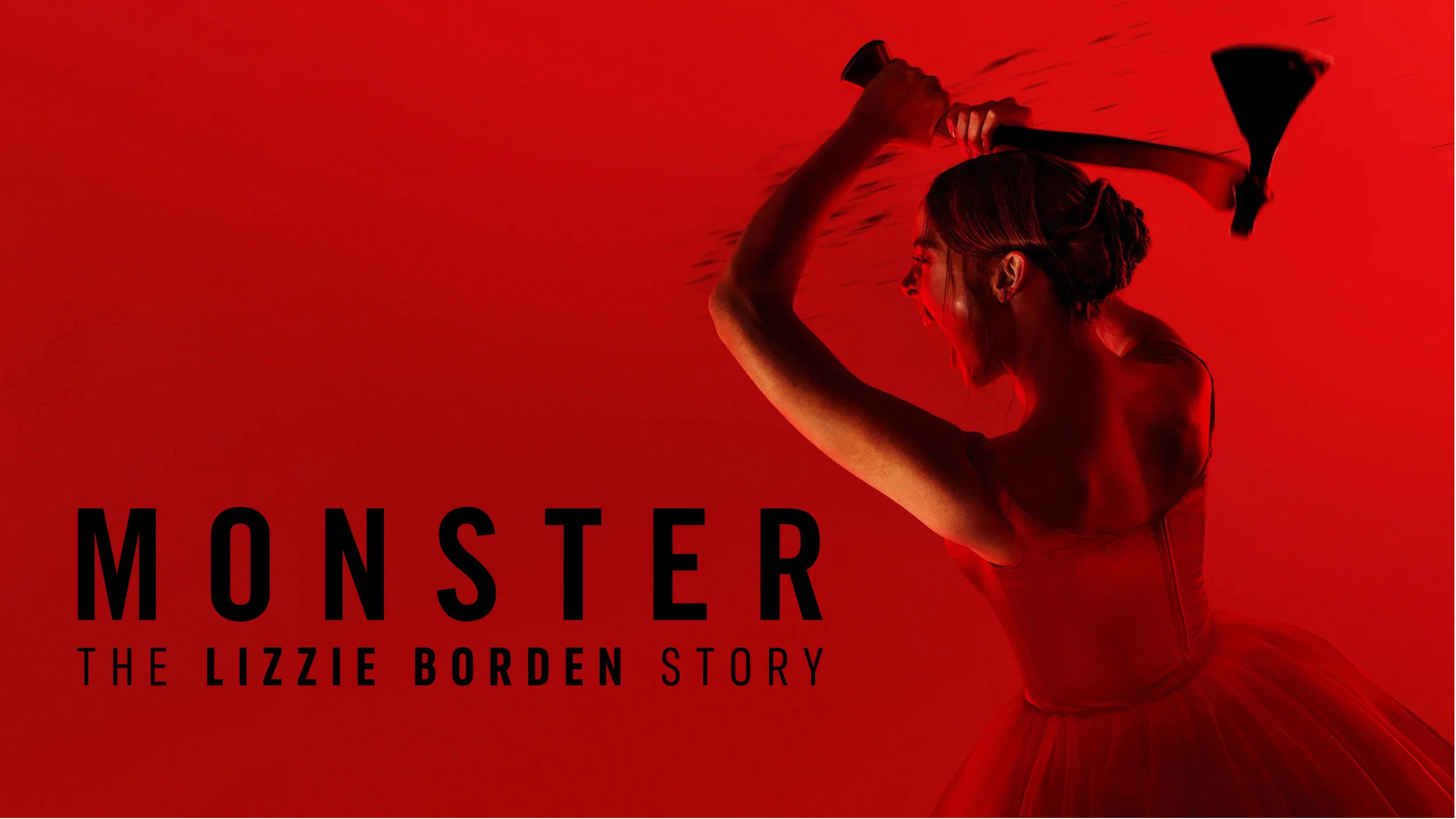
Virtual Pre-Production for Netflix's Monster: The Lizzie Borden Story.
Reality capture let Netflix's Monster scout 35 Italian locations in four days with PortalCam, then plan shots remotely through virtual scouting of 3DGS scans.
SBS launches Korea's first AIXR Studio built on 3D Gaussian Splatting, using the XGRIDS LCC format to turn captured locations into live XR broadcast sets.
South Korea’s SBS has officially launched its AIXR Studio, becoming the country’s first broadcaster to bring 3D Gaussian Splatting (3DGS) and XR into live news production. XGRIDS, the spatial intelligence company, provides the technology behind the studio’s workflow, enabling SBS to transform captured real-world locations into photorealistic, reusable virtual environments for live XR broadcasting.
The workflow enables anchors to appear in captured real-world environments without leaving the studio. Instead of relying entirely on conventionally modeled virtual sets, production teams can capture physical environments and bring high-fidelity digital representations of those spaces directly into the live broadcast workflow.

By connecting reality capture with real-time XR production, SBS can move between broadcast settings more flexibly while preserving the visual detail of each location. The deployment demonstrates how XGRIDS 3DGS is evolving from an emerging visualization technology into a practical production tool for live news and media.
The integration of XGRIDS 3DGS solutions into SBS’s live XR production framework bridges the physical and digital, delivering critical strategic and economic advantages:
Sending outside broadcast (OB) units on location carries substantial recurring costs—ranging from logistics, crew travel, and venue permits to unpredictable weather and tight access windows. By capturing a physical location once and reconstructing it as a 3DGS environment, production teams can turn a temporary physical space into a reusable digital asset, reducing the need for repeat field deployment for future stories.
Field broadcasts are inherently vulnerable to changing ambient light, rain, heavy crowds, and strict access limits. The XGRIDS 3DGS workflow allows production teams to preserve the visual character and spatial detail of a physical venue while operating within the safety and predictability of a controlled studio environment.
.gif)
While live field reports can accommodate basic AR graphics, combining dense 3D environments, real-time data visualizations, camera tracking, and live talent requires significant network bandwidth and field infrastructure. An in-studio XR workflow powered by XGRIDS 3DGS solutions allows production teams to combine high-fidelity 3DGS backgrounds, live presenters, interactive graphics, and spatial animations within a single, low-latency pipeline.
When a breaking news event transforms a specific location into a sudden focal point, building a custom virtual set from scratch using traditional CG modeling is far too slow. XGRIDS’ spatial reconstruction can provide a more direct path from a real-world location to an on-air XR environment—from Location Capture → Asset Reconstruction → On-Air Deployment—giving newsrooms the speed needed to cover breaking stories with spatial context.
Certain sites—such as disaster zones, active industrial facilities, historic sites, or temporary event setups—are difficult, unsafe, or impossible to revisit. Capturing these spaces creates an archival digital twin that editorial teams can revisit long after physical access has closed.
Deploying 3DGS in live television introduces a strict technical hurdle: high-fidelity Gaussian Splatting scenes typically require substantial storage footprints and intense GPU compute—putting them in direct conflict with the high frame rates, stable operation and predictable real-time performance required for live broadcasting.
The XGRIDS LCC/LCC2 format is designed to reduce the storage and rendering overhead of high-fidelity 3DGS assets, helping them operate more efficiently in real-time production environments. Engineered to drastically reduce file sizes and rendering overhead while maintaining photorealistic detail, LCC2 enables dense 3DGS assets to run stably within real-time broadcast environments. SBS’s deployment puts this workflow into a real broadcast environment, demonstrating how high-fidelity 3DGS assets can be used in live production.
Bringing captured 3DGS environments into live broadcasting requires integration with the real-time production platforms used by broadcast teams. The XGRIDS LCC Plugin for Unreal Engine provides the underlying integration foundation for bringing LCC 3DGS content into Unreal Engine-based workflows. Because Pixotope is built on a customized version of Unreal Engine, the standard UE plugin package cannot be used directly and requires a dedicated build for Pixotope. XGRIDS provides the corresponding integration to support LCC 3DGS workflows within the platform.
For SBS, this enables captured real-world locations to become part of a live XR workflow, bringing spatial environments into a professional broadcast production environment. The integration extends the use of captured 3DGS assets beyond standalone Unreal Engine workflows and into the tools used for real-time XR production.
.gif)
The approach also reflects the extensibility of the XGRIDS workflow across professional media and virtual production platforms. Rather than treating reality capture as a standalone asset-creation process, XGRIDS connects its spatial content workflow with established real-time production environments, making captured real-world locations usable as part of live XR production. Users can download the LCC Plugin for UE from the XGRIDS Developer Platform, with installation guidance and related resources available on GitHub.
The landmark SBS deployment in South Korea is more than a single broadcast milestone—it highlights how XGRIDS 3DGS solution is reshaping the broader media and entertainment pipeline.
Beyond live XR broadcasting, XGRIDS provides a comprehensive hardware and local software ecosystem that enables creators to turn physical environments into reusable digital assets across every stage of production:
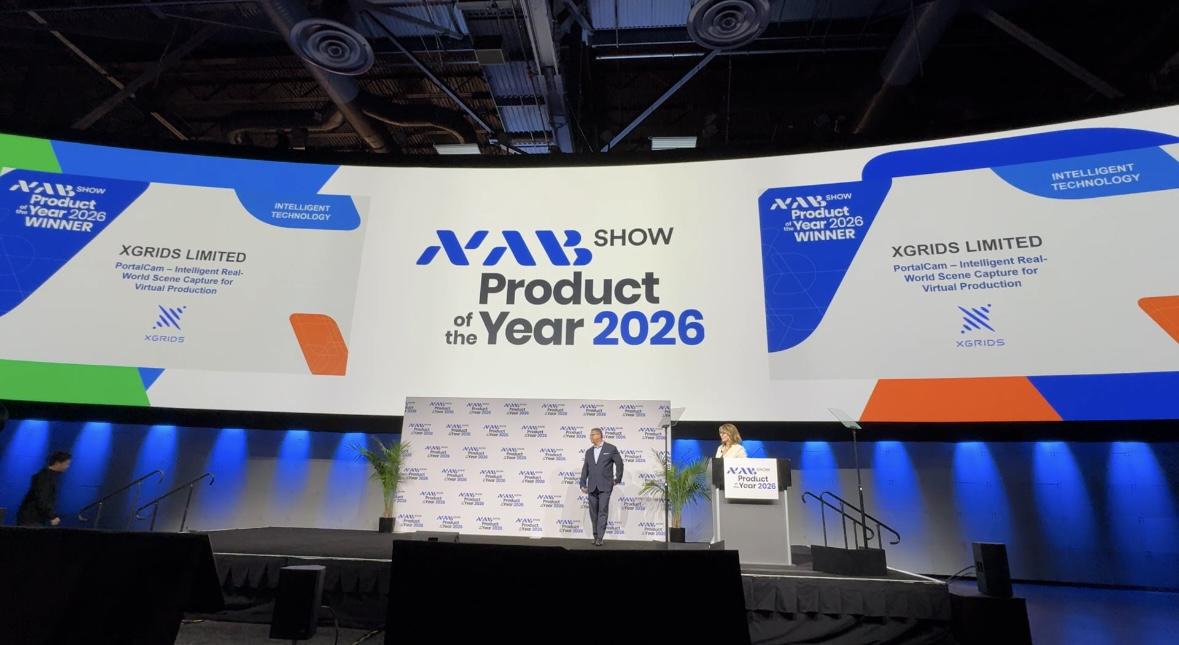
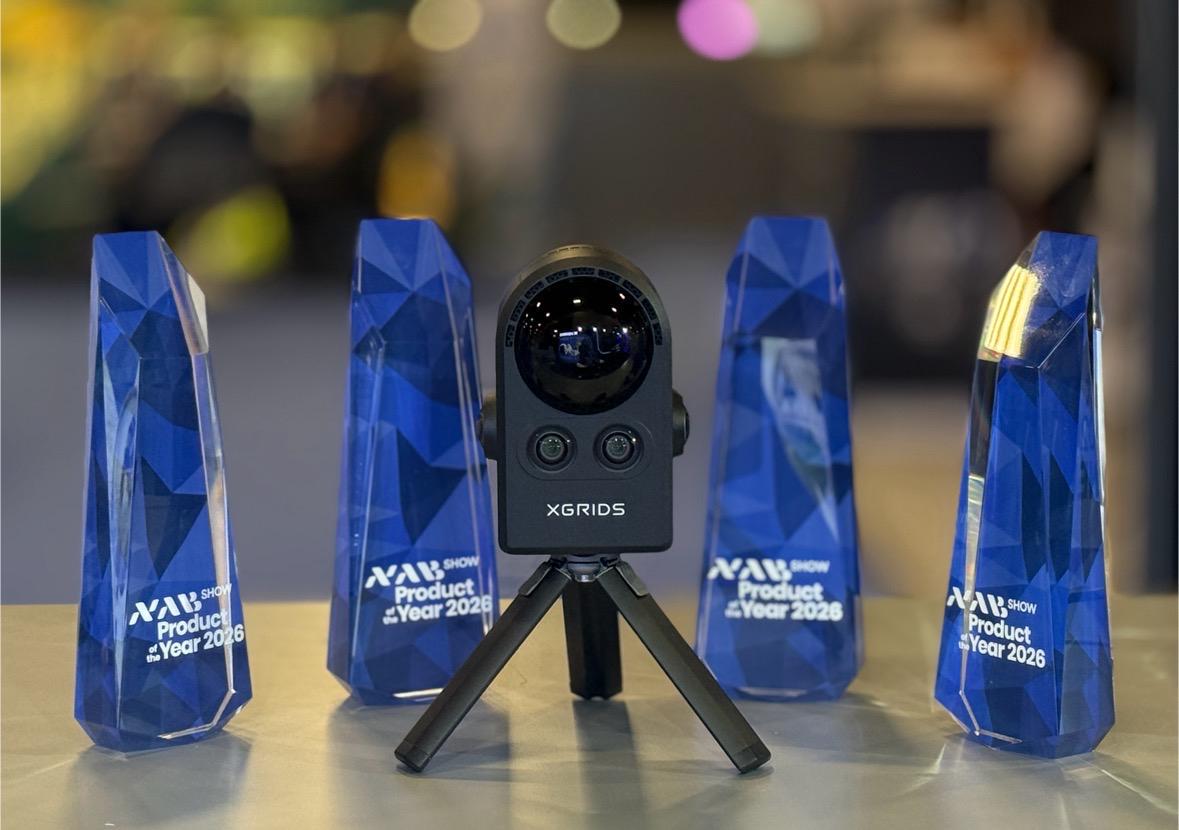
Industry recognition of XGRIDS’ spatial ecosystem continues to accelerate worldwide. At NAB Show 2026, the XGRIDS PortalCam swept four prestigious Product of the Year Awards across Cameras, Graphics/VFX/Switchers, Intelligent Technology, and Remote/Live Production—further underscoring XGRIDS’ technological leadership.
Together, these applications highlight the potential of 3DGS to redefine how real-world environments are captured, represented, and reused in media production. By turning physical spaces into production-ready spatial assets, XGRIDS enables creators to move more seamlessly between reality capture, virtual production, and live XR—bringing the physical and digital worlds closer together across the media and entertainment industry.
XGRIDS is a spatial intelligence company. It reconstructs real places at engineering-grade accuracy so professionals, everyday users, and the AI that learns from these spaces can work from the same data. Hardware covers spatial scanners (Lixel L series and K series) and spatial cameras (PortalCam). Software includes LixelStudio and LCC. Products are in use with 8,000+ customers across 80+ countries. The open LCC format is used in the NVIDIA Isaac Sim official workflow. Customers capture, process, and export in the device and local software. XGRIDS supplies the hardware and local tools. It does not provide surveying services, and does not access or retain project data.
Bridge Reality. Build Digital Worlds.
media@xgrids.com
XGRIDS provides hardware capture devices and local software tools only, and does not provide surveying/mapping services. All data is captured, stored, processed, and exported by the user; XGRIDS does not participate in on-site capture and does not access, control, or retain any user project data or deliverables.
Reality capture let Netflix's Monster scout 35 Italian locations in four days with PortalCam, then plan shots remotely through virtual scouting of 3DGS scans.
.png?x-oss-process=image/resize,w_800/quality,Q_50)
A one-hour Lixel K1 scan of six Culver City blocks gave a generative film pipeline the fixed geometry it needed to keep six locations consistent.
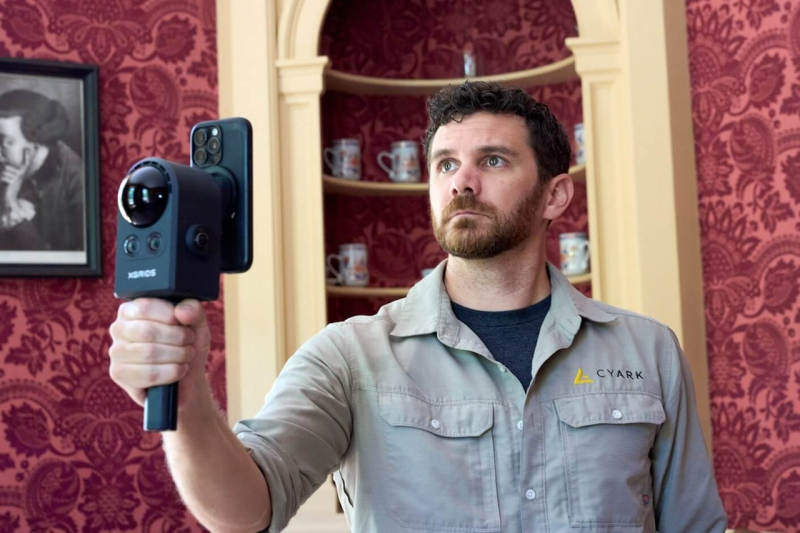
Handheld 3DGS by PortalCam helped CyArk document three landmark interiors for America 250, solving mirror reflections and low-light field challenges.
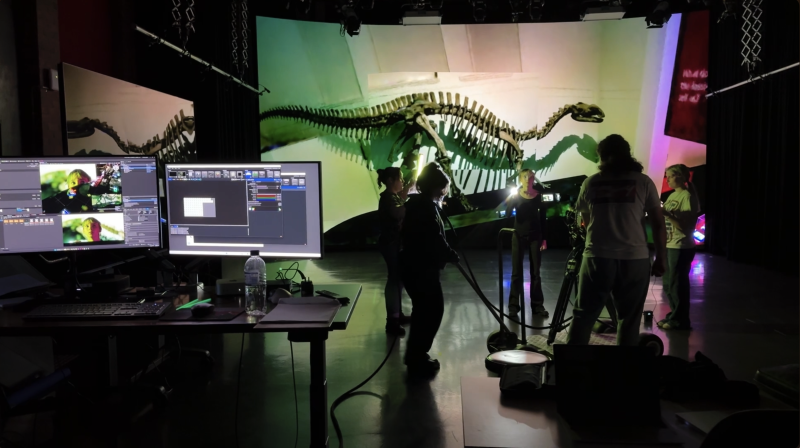
Handheld 3D capture brings real museum spaces to LED volumes, replacing green screens and photogrammetry for fast, cinematic virtual camera moves.