.png?x-oss-process=image/resize,w_800/quality,Q_50)
Case Studies
Ground Truth for Generative Filmmaking
A one-hour Lixel K1 scan of six Culver City blocks gave a generative film pipeline the fixed geometry it needed to keep six locations consistent.
Reality capture let Netflix's Monster scout 35 Italian locations in four days with PortalCam, then plan shots remotely through virtual scouting of 3DGS scans.
International production moves on a television show schedule can frequently pose a logistical challenge. This is especially true when you only have a 10-day gap, and even more so when that gap is the holiday break in December. These are the circumstances brought to District Cinema by the team of Monster: The Lizzie Borden Story.
Monster: The Lizzie Borden Story, the fourth season of Ryan Murphy's true-crime anthology series, exploring the 1892 murders starring Ella Beatty and Vicky Krieps. Building on the franchise's legacy as one of the most-watched properties at Netflix, the season debuted at number one on the global weekly chart, generating 12.1 million views in its first four days.
To bring this historical world to life, the production tackled a demanding schedule across two continents. In Los Angeles, XGRIDS provided a K1 scanner for the Monster crew to scan and map the show's extensive sound stages and backlots, while the team prepared to move shooting to Italy in the new year.
Recognizing the immense logistical and creative potential of reality capture for PreVis, Oscar and Emmy-nominated Cinematographer Michael Bauman championed the technology to keep the rapidly moving production aligned. District Cinema supported this workflow on both sides of the Atlantic. In LA, they provided training and comprehensive support for backend processing, cleanup and delivery optimization for the K1 scans. Simultaneously, Barnabas Csutak, Producer at District Cinema flew to Rome to rapidly capture 35 Italian location scans with the then-newly released PortalCam in four days. Ultimately, these spatial captures allowed the LA-based crew to virtually scout the Italian locations and lock in creative and logistical decisions completely remotely.
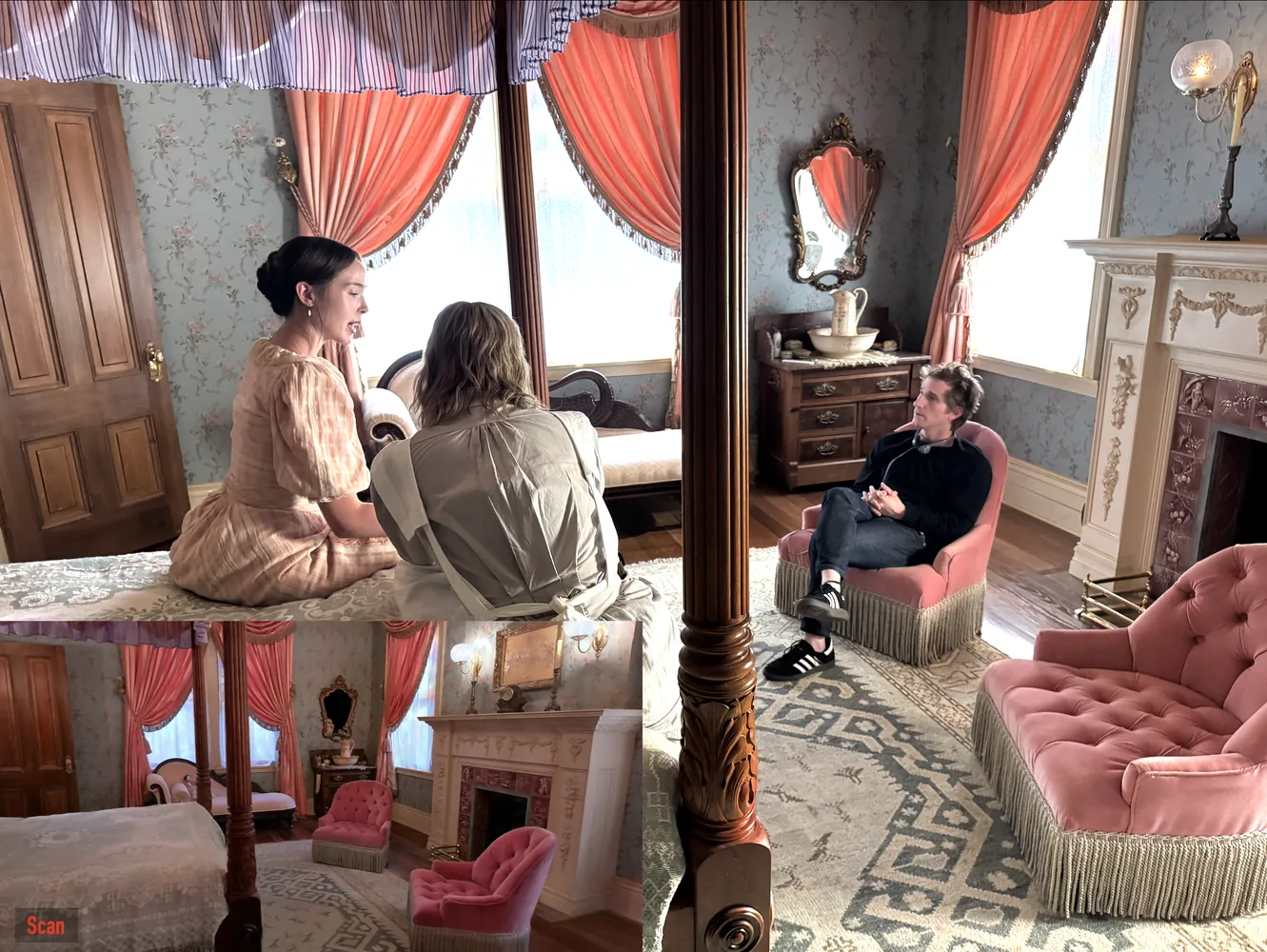
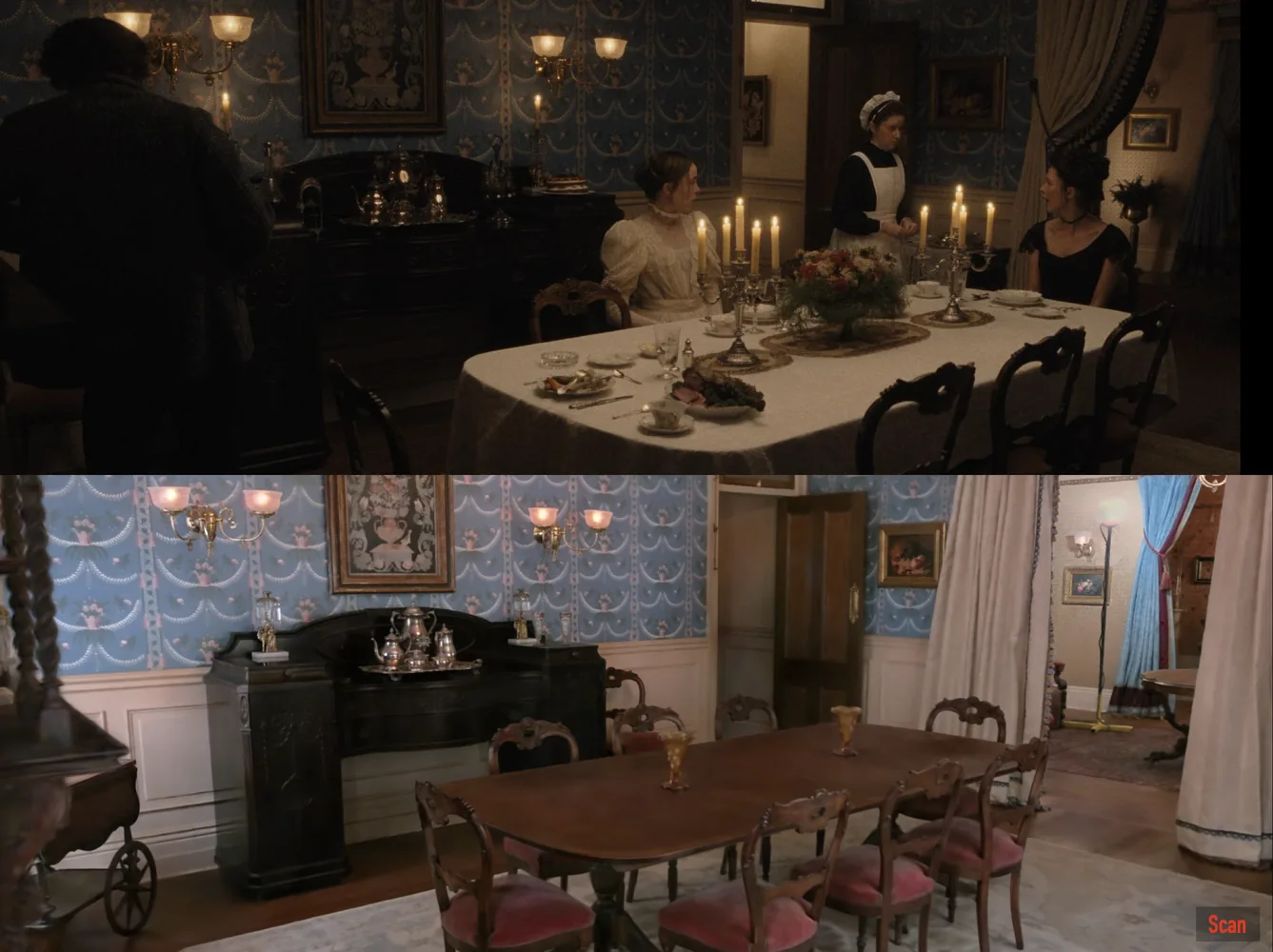
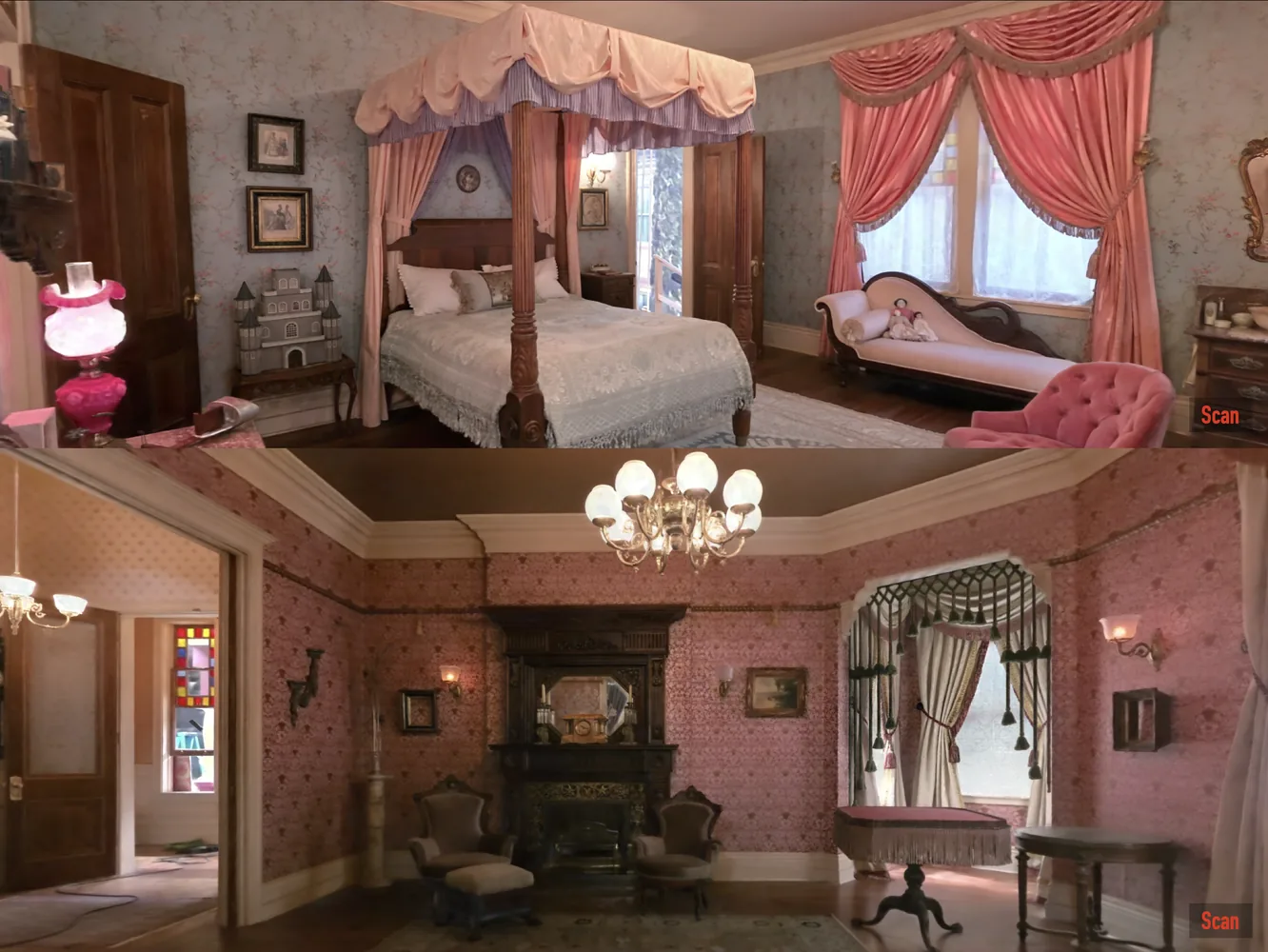
The core of Monster Season 4 revolves around the infamous Borden residence at 92 Second Street in Fall River, MA. To bring it to life, the art department meticulously recreated a period-accurate Victorian-style home for the 1892 timeline, constructing the primary interior sets at Sunset Gower Studios.
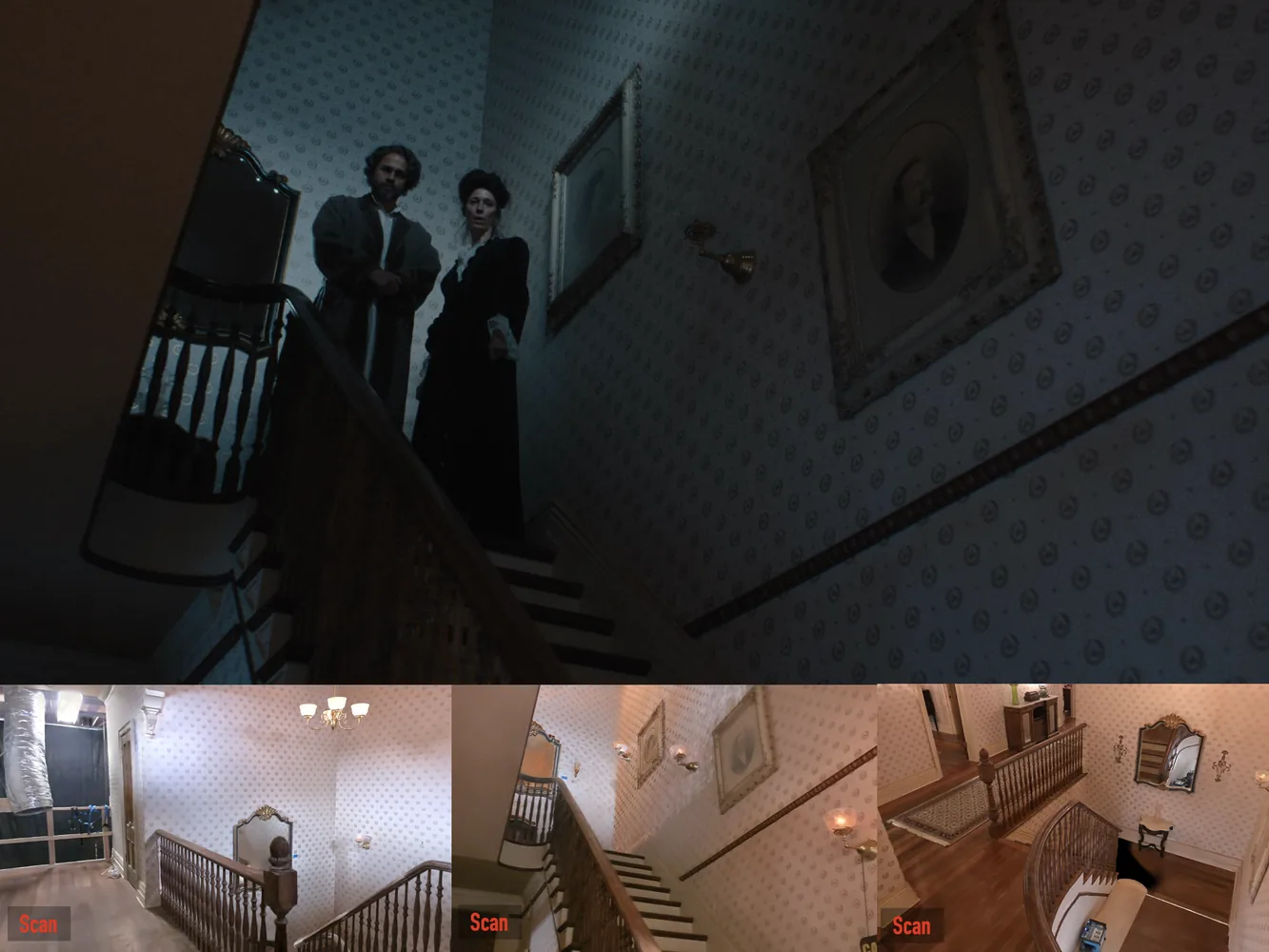
The house was physically constructed in two separate pieces, with each floor acting as a distinct one-story set, theoretically connected by the house’s main grand staircase. This can be seen in the show, as multiple scenes are set going up and down these stairs. Without an actual two-story structure, figuring out how to shoot seamlessly across these disconnected builds and planning the physical timing for the actors became a challenge.
To solve this, the separate sets were scanned with the XGRIDS K1 and digitally stitched together into a single, cohesive 3D model. By referencing this digital twin, the production team was able to plan around any potential discrepancies in the matching sets, accurately evaluate camera moves, and rehearse the pacing for the actors moving between floors.
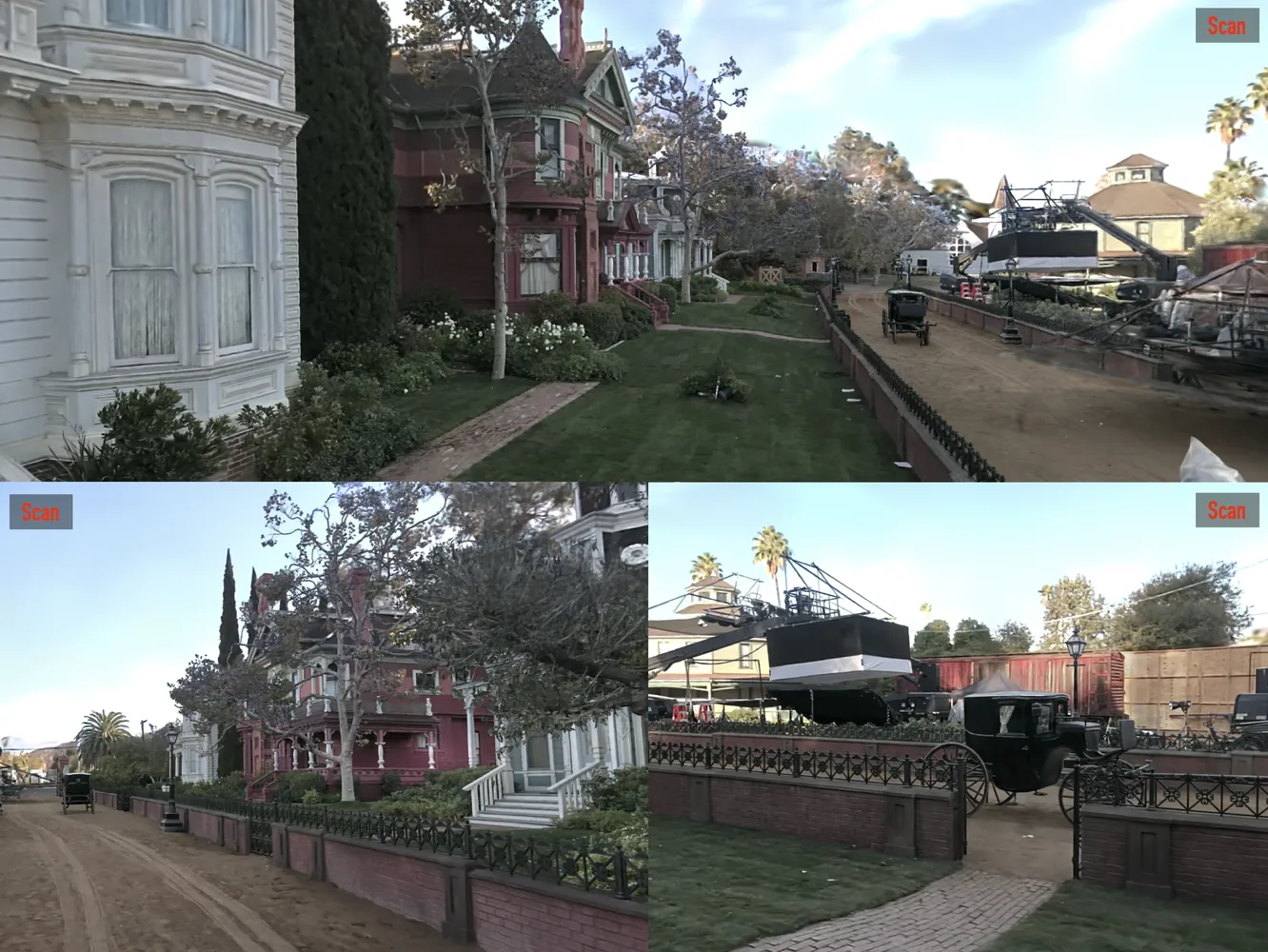
Beyond the interior builds, the production also relied on the K1 to map the extensive Lizzie Borden street sets on the Los Angeles backlot. Capturing these spaces required navigating around active production schedules. During a busy tech scout, the Eyeline scanning team had to work around a large crew. To avoid baking people into the digital model, they strategically broke the capture into two phases, scanning one section of the street while the crew gathered at a house, then completed the rest of the block once the group moved on. At its Los Angeles lab, District Cinema merged these two clean segments into a single, unobstructed spatial model and delivered it to the production team.
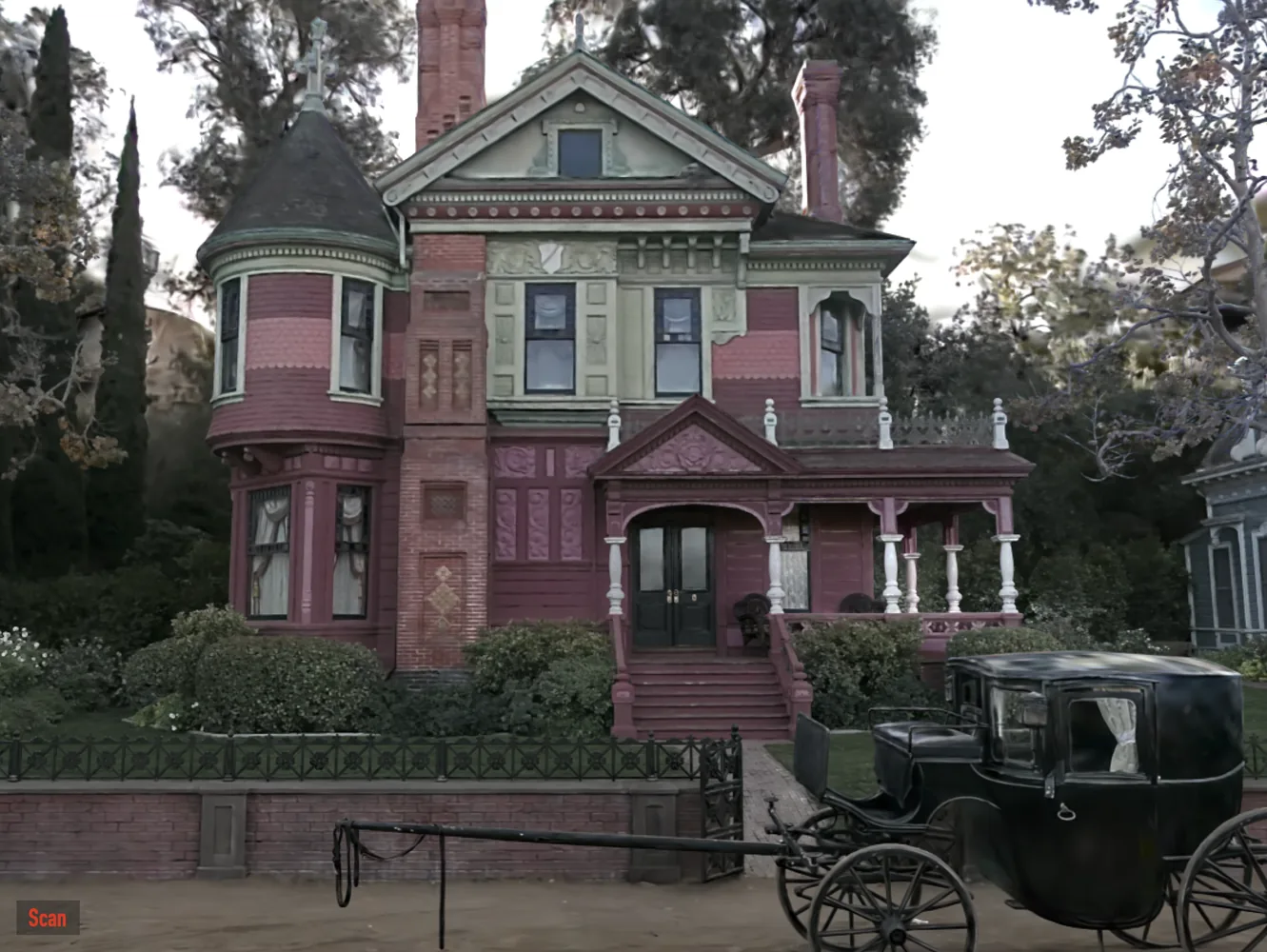
These processed environments offered a highly practical tool for remote, cross-departmental planning. Due to the K1's built-in LiDAR sensor, the resulting models hold centimeter-level accuracy. This precision allowed the location and grip departments to reliably measure physical clearances and evaluate complex crane placements across various house exteriors without needing to return to the lot. The 3D environment also functioned as a spatial communication tool, where department heads could drop specific notes directly into the digital space for other crew members to reference and act upon.
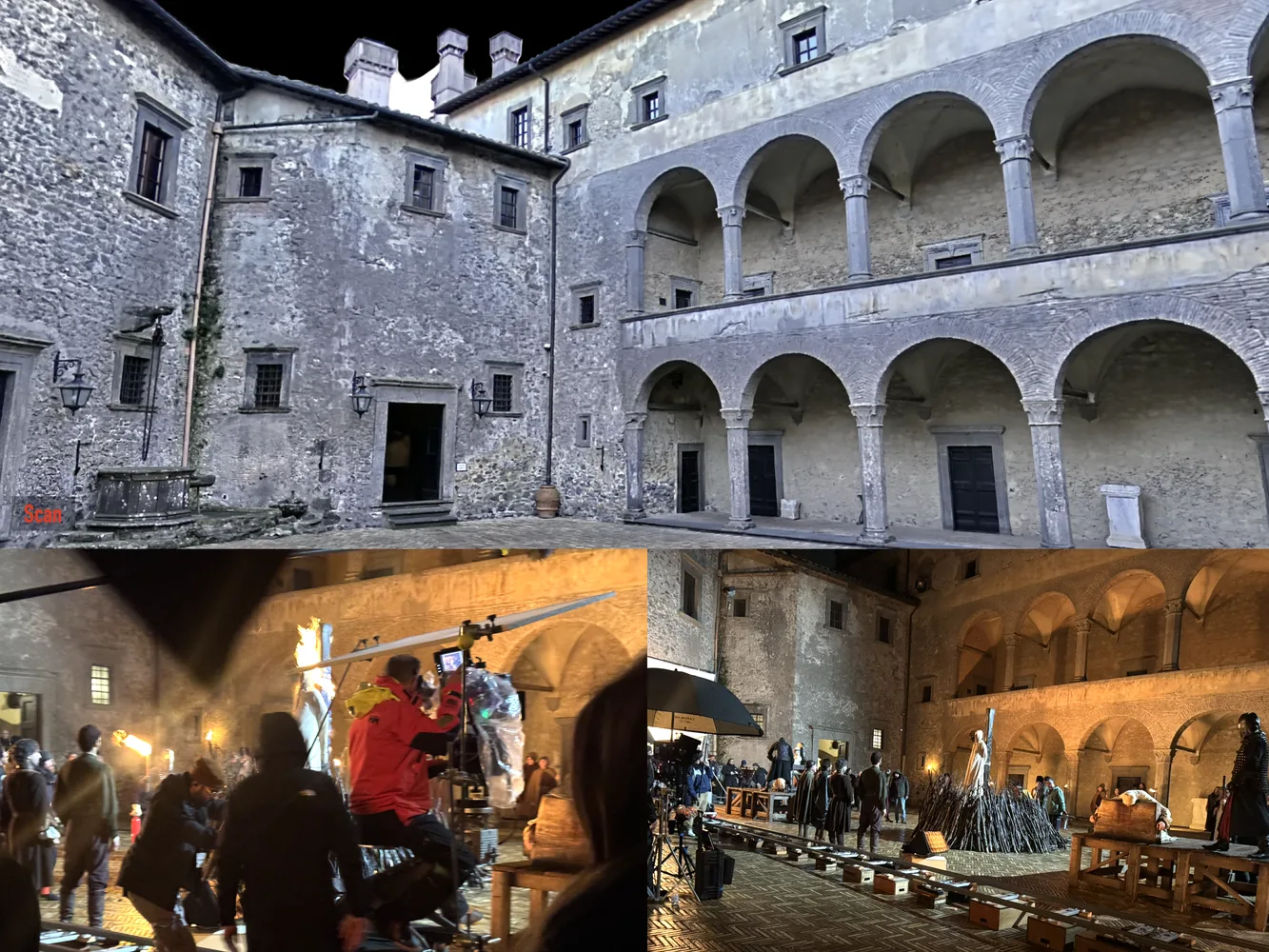
The transition to the European leg of the shoot introduced a significant scheduling constraint: a highly compressed 10-day gap between wrapping the US unit and starting the Italian unit. For a production of this scale, pre-production with all creatives and department heads would typically span months. With the US crew still actively shooting in Los Angeles, that standard timeline simply wasn't an option. To bridge this transatlantic gap, Barnabas Csutak, Producer at Disctrict Cinema, flew to Rome to join an extensive, four-day location scout with the Italian production team, alongside the US Producer and Art Director.
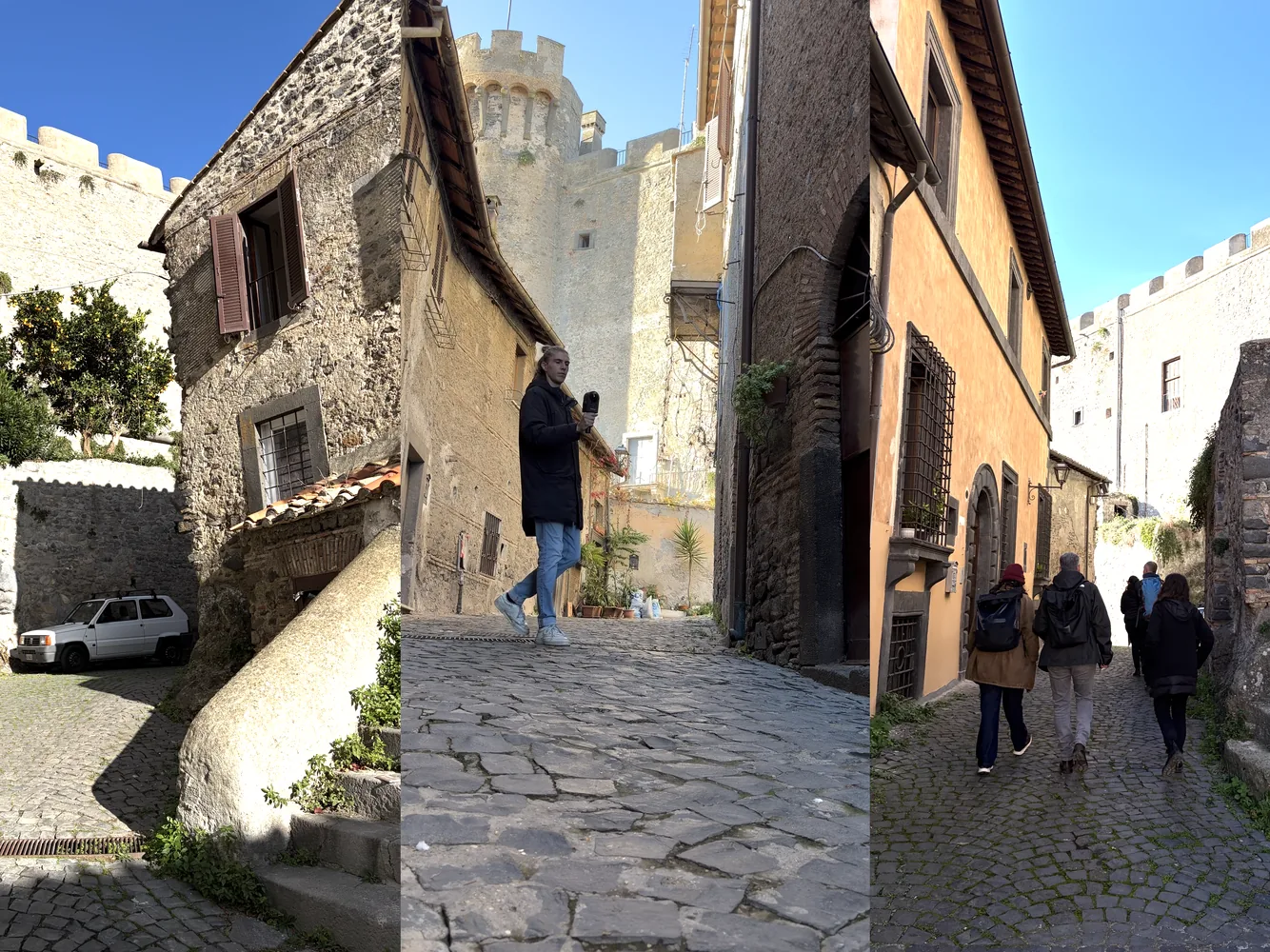
"Scanning 35 locations in four days required moving incredibly fast. The PortalCam allowed me to easily keep pace with the crew, and its compact size made the workflow much more convenient.”
— Barnabas Csutak, producer at District Cinema
The scout covered expansive castles like the one serving as Elizabeth Báthory's fortress, charming Italian streets, and historic mansions, including the estate chosen for Lizzie's dreamlike final house in the series. Since these sites were scattered across the outskirts of Rome, heavy drive times between locations meant the daily schedule was packed. The scouting team usually only had 30 minutes to an hour per location, often with multiple areas of interest to capture. This made it critical that the scanning process kept pace without holding up the scouting team.
The compact PortalCam proved to be the perfect tool for this run-and-gun workflow.Its high-definition camera array is heavily utilized to retain fine material details, especially since the strict time limits per location would not have allowed for extra photo captures. This capability was crucial to accurately reconstruct intricate textures like a rusting cage or old wall mosaics, preserving the true visual essence of each space. When navigating dimly lit castle basements, the scanner's night mode feature also proved invaluable for maintaining clean geometry in low-light environments. At the end of every scouting day, Barney transferred the raw data back to their LA team, who immediately started processing the scans using LCC Studio, delivering the fully realized 3D environments directly to the US production team with a quick turnaround.
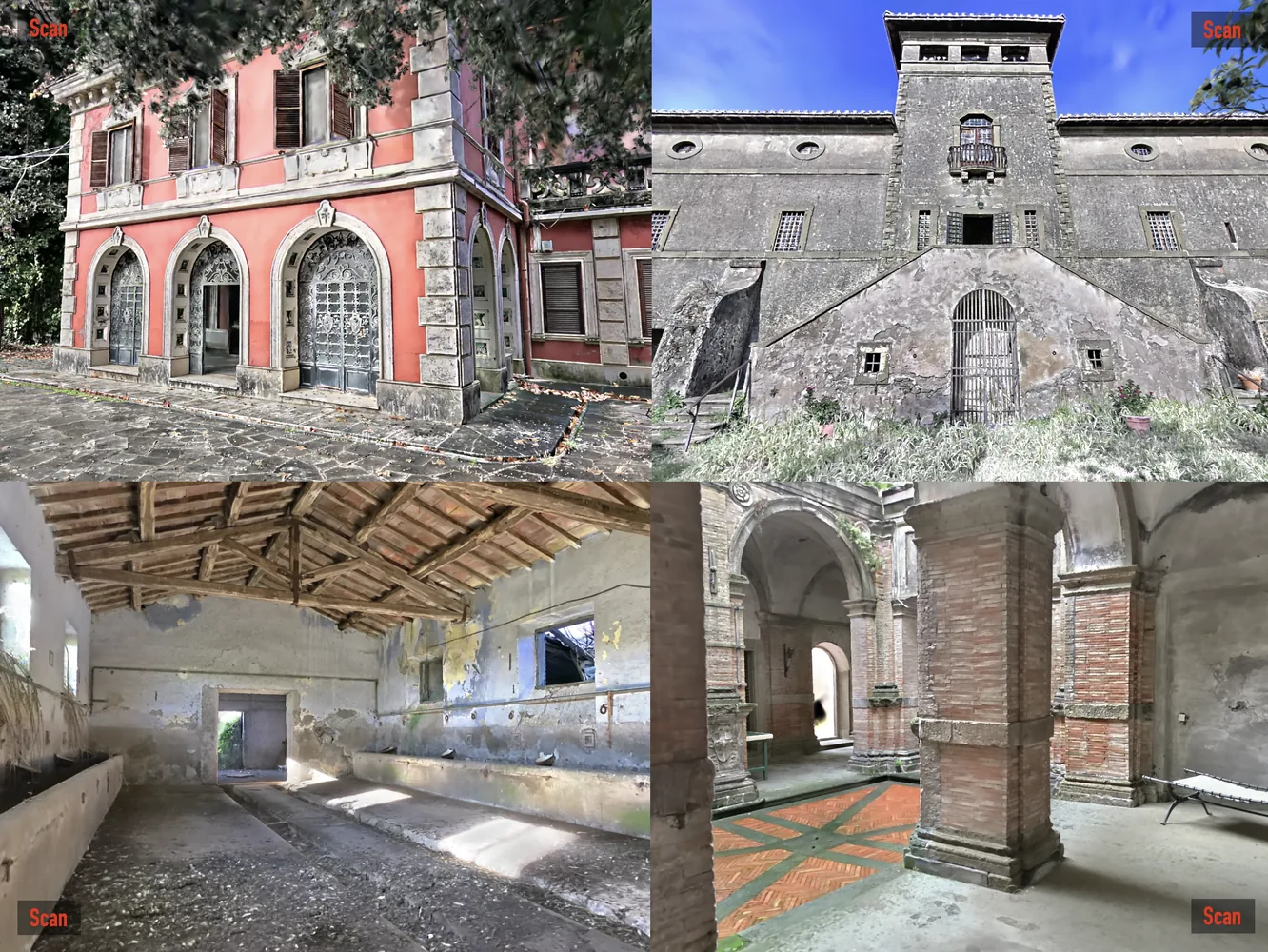
Once the Italian captures were processed, District Cinema brought the 3D environments into Unreal Engine at their Los Angeles lab to facilitate virtual scouting sessions. These digital twins allow creative teams to fully immerse themselves in the true physical scale and layout of the locations. Using Unreal’s vCAM tool, Cinematographer Mike Bauman was able to block out shots long before the crew arrived on location.
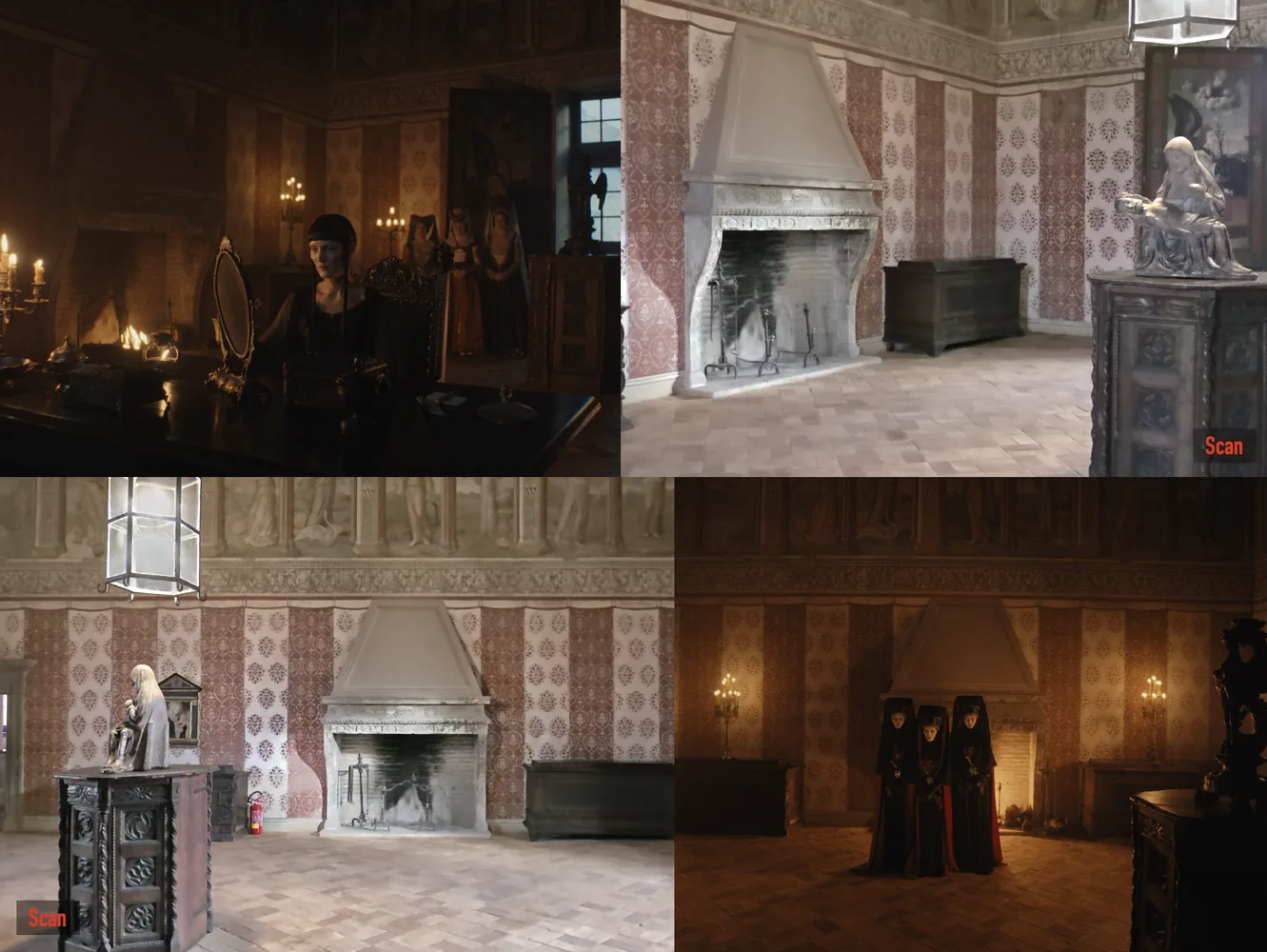
During the virtual scouting session, the spatial data revealed that one of the pre-selected rooms intended to serve as Lizzie's cell lacked the necessary footprint to accommodate the desired camera body and lens. Since the entire environment was digitized, the team was able to instantly move the virtual camera to an adjacent room to test an alternative setup. This allowed for this creative decision to be made fully remotely, directly informing the Italian art and location teams on exactly which room needed to be dressed and utilized for the scene. Furthermore, exact camera placements and lens settings can be saved and exported, offering a powerful way to show an overseas crew exactly what will be in and out of frame before physical prep begins.
The team also used the digital assets to simulate sun path tracking. The location serving as Elizabeth Báthory’s castle featured exceptionally high walls, causing the shadows to change drastically throughout the day. By aligning the PortalCam's collision mesh to true north, we were able to get a good approximation of how the sun would hit the castle walls and where the shadows would fall at the scheduled time of the shoot.
For the "blood bath" sequence, a 3D bathtub model was placed into the scanned environment. Using District Cinema's markerless motion capture system, a height-accurate virtual stand-in was brought into the Unreal Engine space, allowing to frame the camera perfectly around the action.
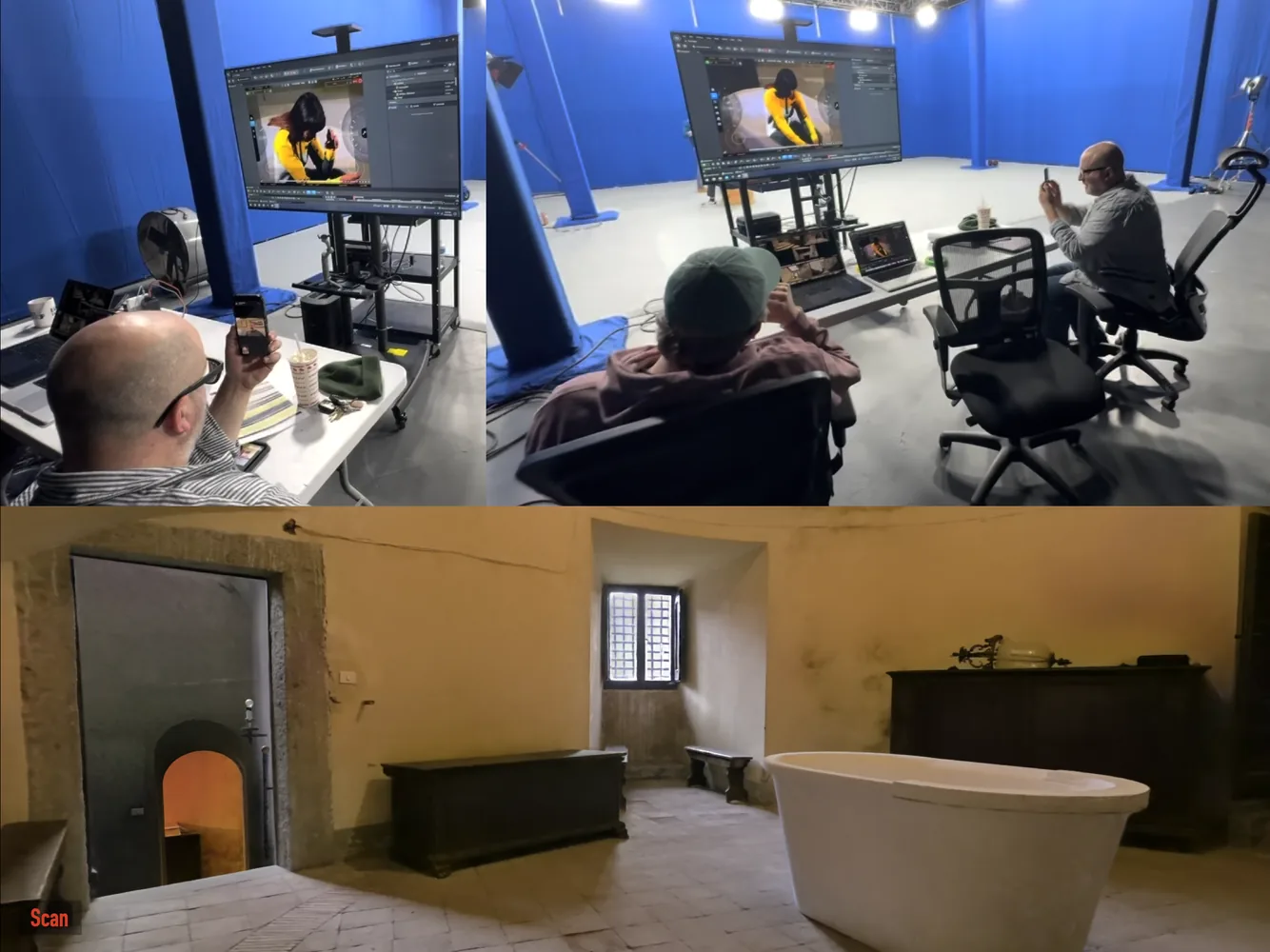
These capabilities offered a practical approach to evaluating locations.
“The scans were super valuable because that allowed us to really figure out a lot of technical challenges beforehand. When choosing between multiple prospective houses, the team wasn't just looking at flat reference photos; they were reviewing actionable spatial data to determine equipment placements and logistical clearances before committing to a location.”
— Michael Bauman, Director of Photography, Monster: The Lizzie Borden Story
A major advantage of this workflow is the unprecedented mobility of the spatial data. Traditional photogrammetry or heavy LiDAR point clouds require robust hardware to view and navigate. By utilizing the lightweight Gaussian splat format, even massive locations can be opened on a standard smartphone, allowing for instant access from anywhere.
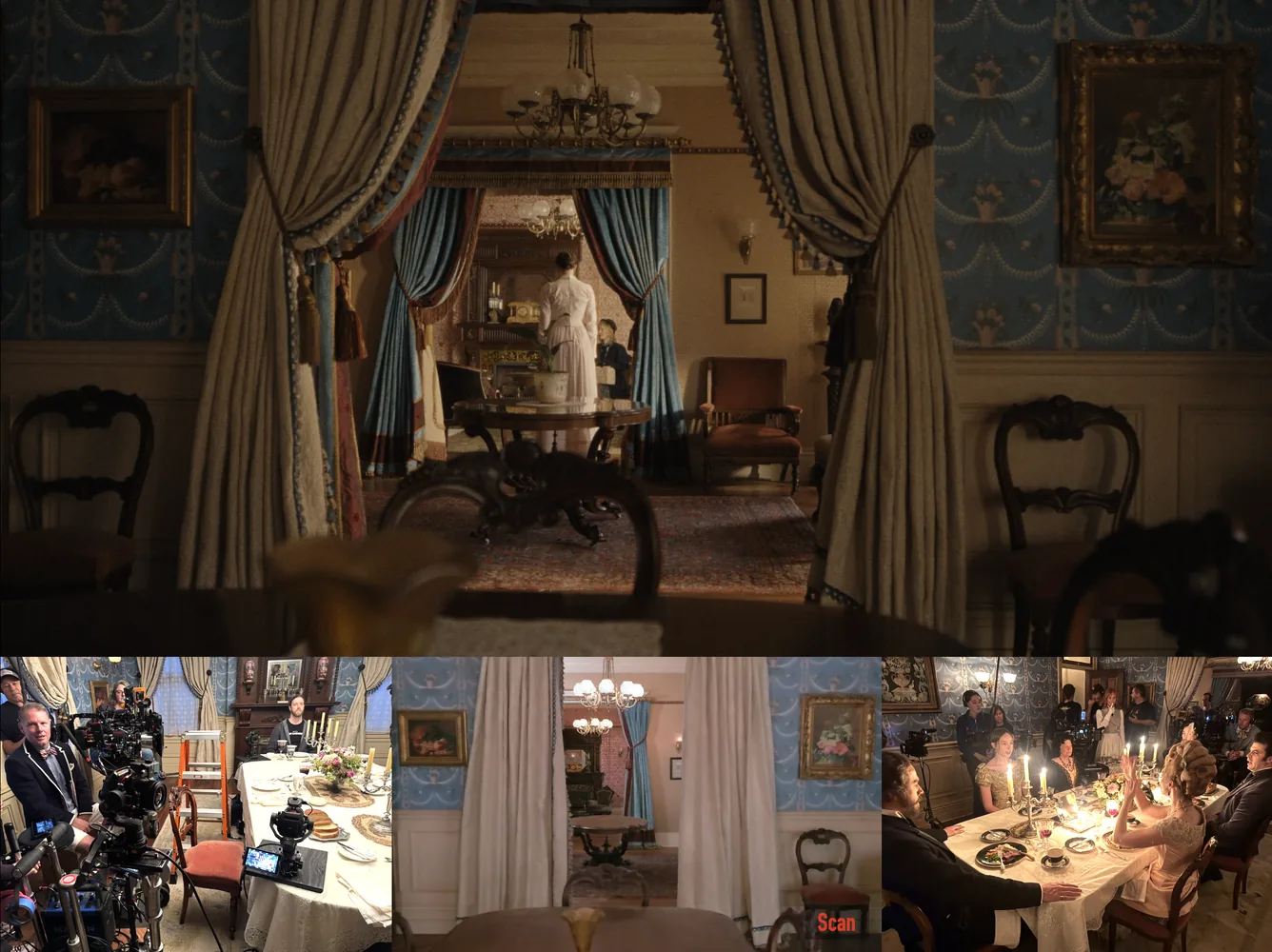
This accessibility came in handy for real-time problem-solving. While actively shooting on one set in Los Angeles, the team could suddenly pull up the 3D model of another location to work out camera moves or test lenses for an upcoming scene. They could navigate the digital space and get a concrete sense of how to approach logistical problems all without leaving the set. The crew was even able to cross-reference locations on the fly, instantly checking how a specific shot filmed in LA might wipe and seamlessly cut into the physical space of the Italian castle.
The mobility also helped bypass traditional prep bottlenecks. During a trip to the Italian consulate in Los Angeles, Mike and Matthew, the Production Designer, were sitting in the lobby waiting for their visas when a concern arose about a hanging lamp fixture in one of the Roman castles. Matthew was worried they might need to physically modify the fixture for a specific shot. Instead of waiting to get back to an office or requesting a physical site survey, Mike simply pulled up the location scan on his phone allowing them to digitally move around the lamp and evaluate the setup. It’s a great example of how having spatial data in your pocket facilitates immediate creative decision-making.
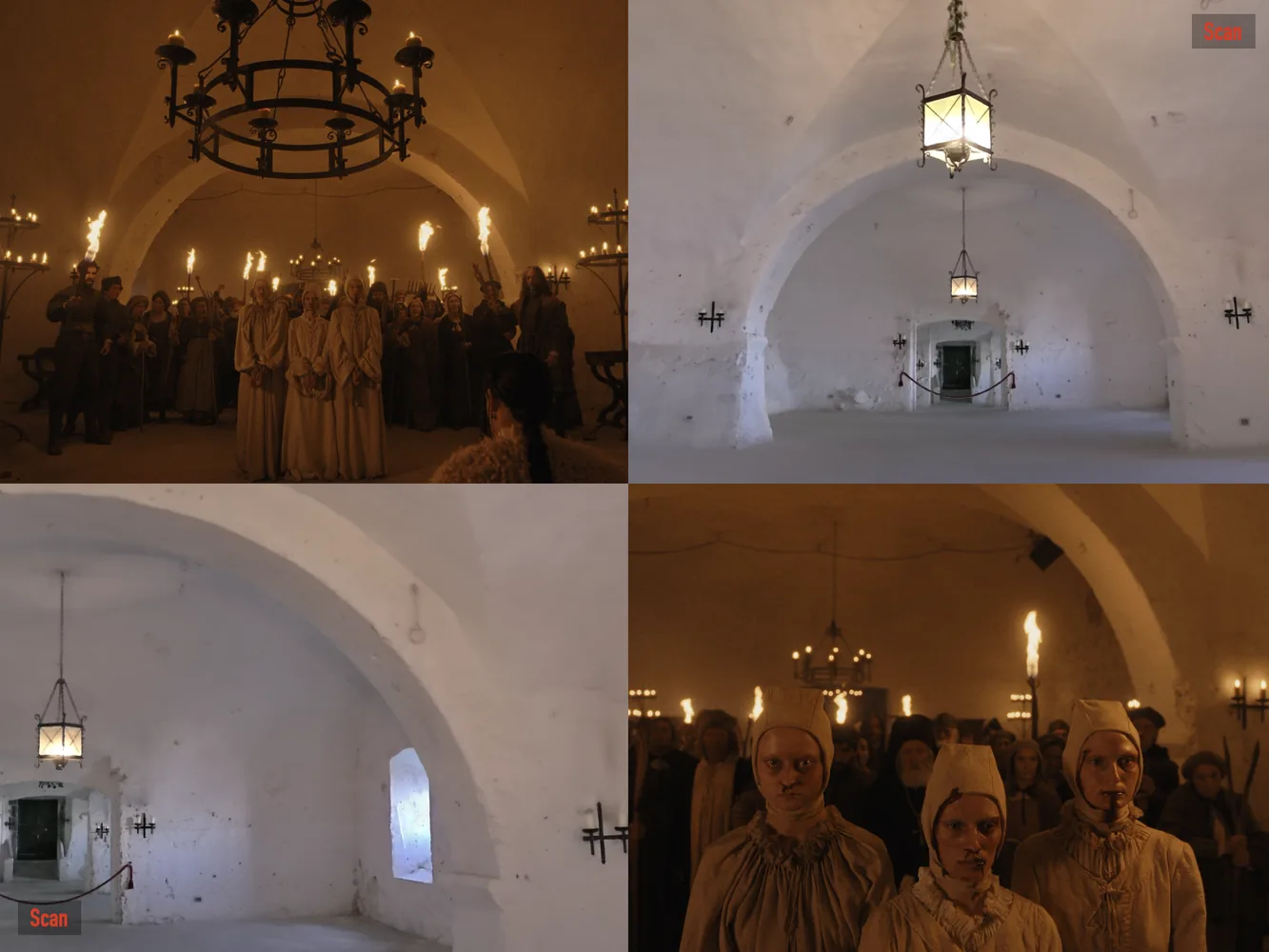
While Terra was only in its early phases during the production of Monster, the need for instant spatial collaboration became obvious. The need to effectively communicate information from the virtual scouting sessions and allow creatives to seamlessly plan and iterate on each other's work heavily shaped the development of Terra — District Cinema's dedicated platform built for organizing, viewing, and interacting with production scans across departments.
The core utility of this technology becomes apparent when solving unique physical constraints remotely. During prep for the Italian castle, the team realized they needed to light a deep, walled-off section of the location for a day-for-night setup. Using the scan, they measured the exact depth and thickness of the castle windows. From these measurements, the Italian team designed and built a custom diffusion box to fit the window housing. This visual data bypassed potential language barriers, allowing Mike to seamlessly communicate the exact build and lighting concept to the Italian gaffer prior to the crew's arrival. On the day of the shoot, the custom fixture fit exactly as planned. This proved that the technology is production-ready and the successful execution now simply comes down to user proficiency and integrating these tools into the standard workflow.
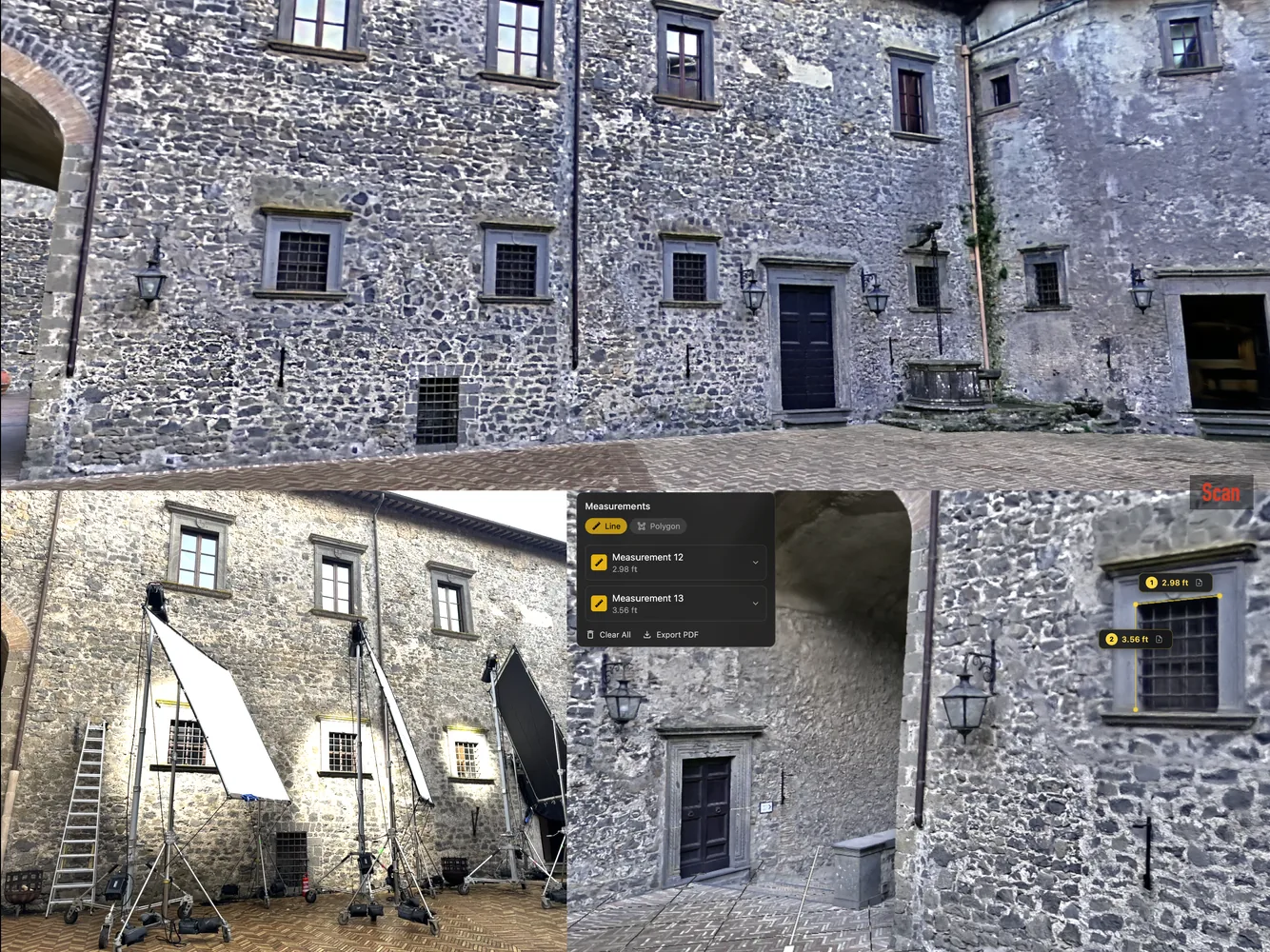
The real value lies in solving technical hurdles long before physical production begins. Our goal is for productions to adopt these workflows and integrate dedicated scanning personnel to capture every prospective site. This approach provides foundational data that all other departments can utilize to plan their work, establishing a single source of truth for the physical environment right from the start of prep.
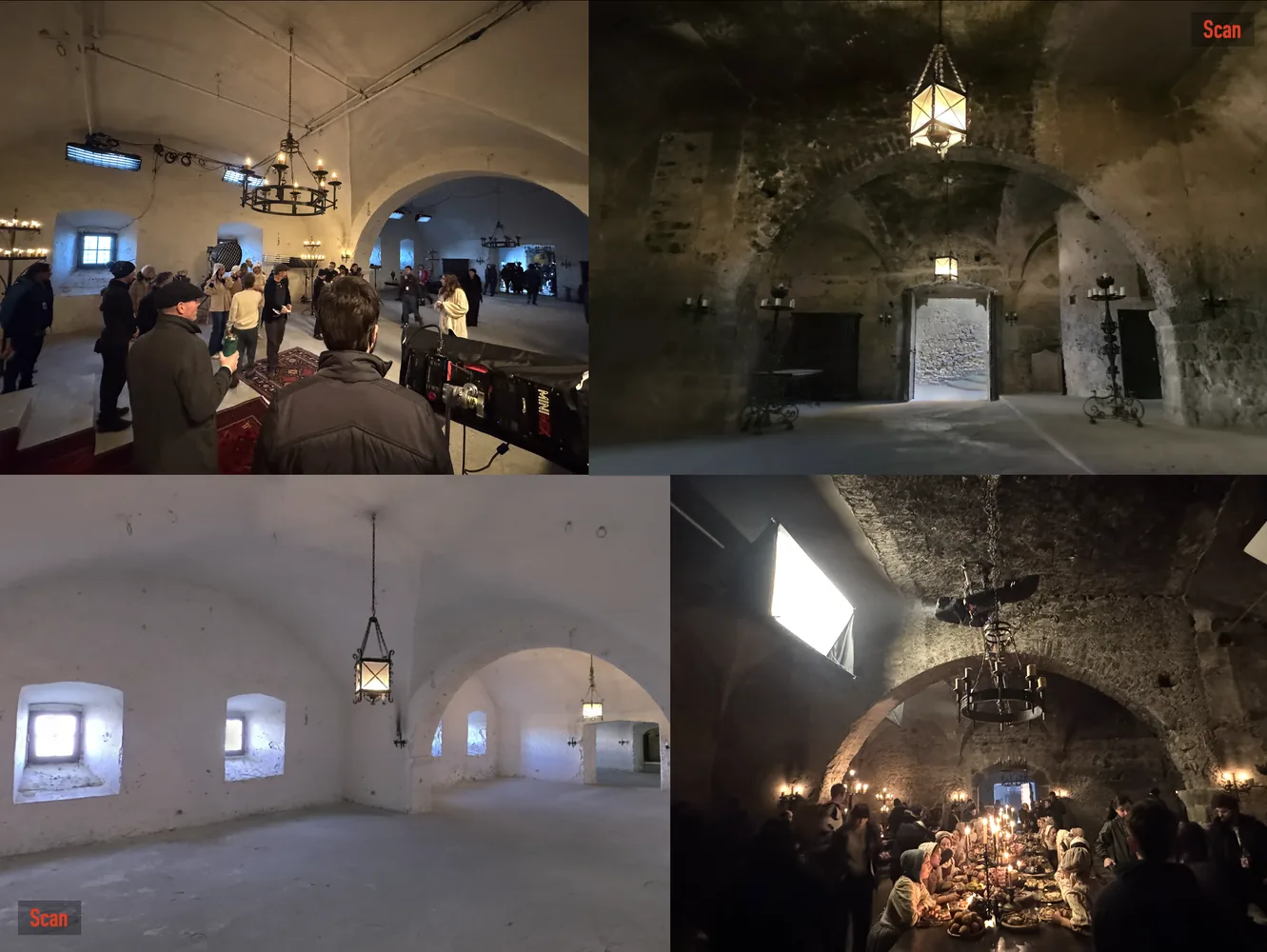
Digitalized sets also serve as a robust insurance policy for unforeseen production needs. While these specific environments were acquired for pre-visualization and planning purposes, utilizing scans as virtual backgrounds is absolutely achievable by capturing higher-quality assets through a more comprehensive data collection process. With those final-pixel-quality models, productions gain the flexibility to shoot actors on a stage in Los Angeles and seamlessly drop an accurate 3D environment into the background for additional closeups or pickup shots after the foreign unit wraps.
Beyond physical production, these same assets hold immense potential for downstream studio applications. The digital twins can be repurposed to let fans experience the filming locations firsthand, creating immersive behind-the-scenes content and highly engaging marketing activations long after the final frame is shot.
Implementing this pipeline for Netflix’s Monster was made possible thanks to Mike, who saw the potential in the still relatively novel Gaussian splat technology.
“The barrier to entry for reality capture is lowering at a rapid pace. As tools like the XGRIDS ecosystem and Terra make spatial data more accessible, my hope is that these workflows become standard practice across the industry. When you can work through the constraints of a location and make key creative decisions entirely remotely, it fundamentally enhances overall production efficiency.”
— Barnabas Csutak, producer at District Cinema
About XGRIDS:
XGRIDS is a leading spatial intelligence company dedicated to turning the physical world into interactive, measurable 3D digital environments. We deliver a complete reality capture ecosystem, offering handheld SLAM devices that combine high-precision LiDAR sensors and panoramic cameras driven by multi-SLAM algorithms, alongside advanced software solutions for point cloud and 3D Gaussian Splatting (3DGS) processing. These integrated hardware and software platforms are designed to simplify high-fidelity 3D capture, providing the media production, simulation, and AEC industries with trusted spatial data that delivers exceptional accuracy, speed, and scalability.
Learn more at: https://www.xgrids.com/intl
About District Cinema:
District Cinema is a creative technology studio focusing on integrating emerging technologies into modern production pipelines. Specializing in advanced reality capture, virtual production, and immersive content, the company bridges the gap between physical locations and digital environments to streamline workflows from early pre-production through post. District Cinema is also the creator of Terra, a browser-based spatial platform built specifically for film, TV, and commercial teams to organize, view, and collaborate inside 3D scans of real locations from scouting through set design to shoot day.
Learn more: https://districtcinema.com
Learn more about Terra: https://districtcinema.com/terra
All behind-the-scenes photography and production stills featured in this case study were provided courtesy of Michael Bauman. All associated production images, titles, and intellectual property remain the exclusive copyrighted material of their respective owners and studios. Images are used within this case study strictly for informational and educational purposes.
A one-hour Lixel K1 scan of six Culver City blocks gave a generative film pipeline the fixed geometry it needed to keep six locations consistent.
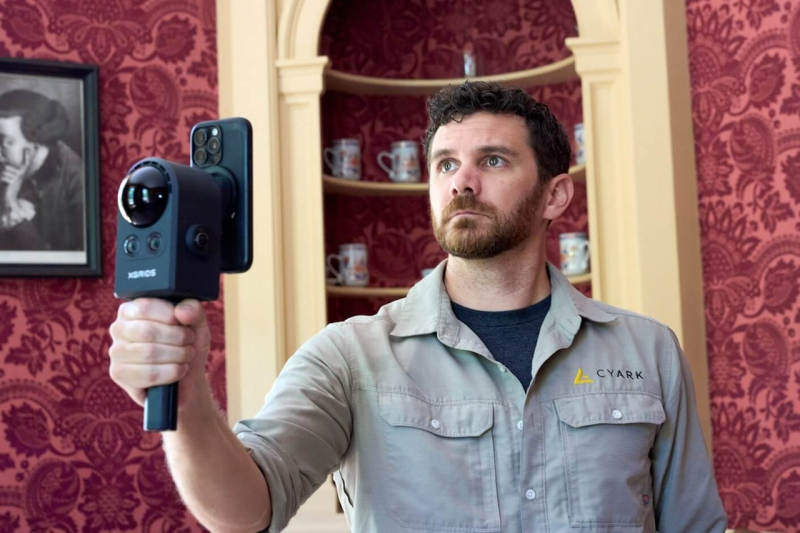
Handheld 3DGS by PortalCam helped CyArk document three landmark interiors for America 250, solving mirror reflections and low-light field challenges.
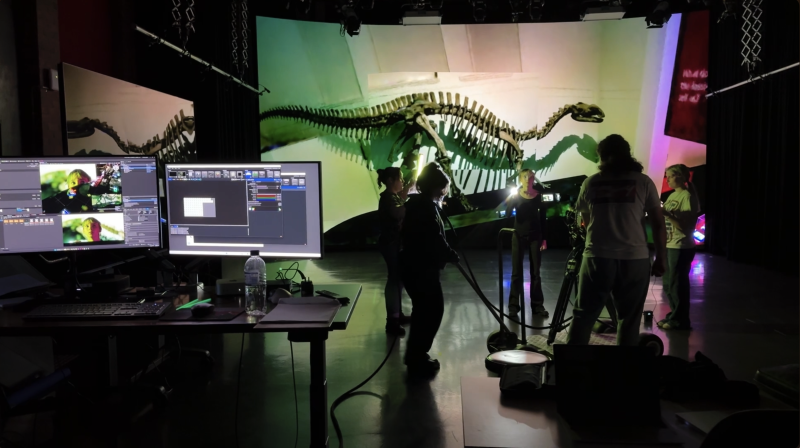
Handheld 3D capture brings real museum spaces to LED volumes, replacing green screens and photogrammetry for fast, cinematic virtual camera moves.
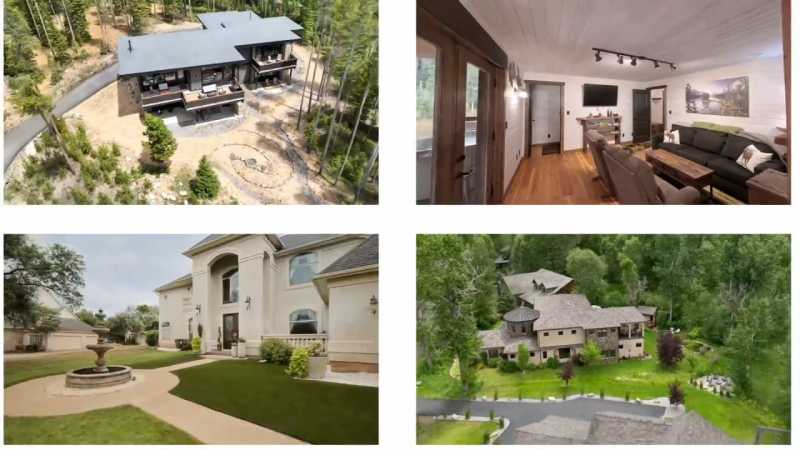
Cut property capture costs by up to 90% using 3D Gaussian splatting to deliver photorealistic browser-based spatial tours for real estate and hospitality.